
Wormwood Seeds
You would grow wormwood for its ability to naturally repel pests like aphids and moths from your garden, its use in traditional medicine for anti-parasitic and digestive benefits, and for its striking silver-gray foliage that adds visual contrast to borders and rock gardens. It is also used to make the alcoholic spirit absinthe and can be found in herbal tinctures.
Wormwood herb plants have a long history as a medicinal herb with use dating all the way back to the ancient Egyptians. They used Wormwood to rid the body of worms. It is still used to stimulate and aid in digestion. Other uses include being used as a moth repellent and a general pesticide.
Watch for seedlings to emerge and remove them from under the plastic. Grow the seedlings in a sunny window, harden the seedlings for 10 to 14 days before transplanting.
Harvesting Wormwood is usually done in mid-summer. When the plants are fully flowering, pick the upper portions of the stalks. Tie the stalks together and hang them upside down in a dark well-ventilated place. When the stalks are dried, store in an air-tight container in a dark place.
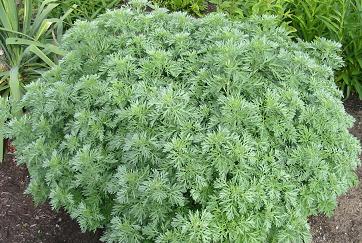
Wormwood is a striking perennial herb renowned for its finely divided silvery-gray foliage, aromatic fragrance, and centuries of historical significance. Native to Europe and western Asia, this distinctive plant has long been cultivated as an ornamental herb and remains a favorite for herb gardens, cottage gardens, and drought-tolerant landscapes.
The soft silver foliage provides beautiful contrast against green-leaved plants and adds texture and interest throughout the growing season. Its upright growth habit and elegant appearance make Wormwood an excellent specimen plant for containers, borders, and mixed perennial plantings.
Easy to grow and highly tolerant of dry conditions, Wormwood is valued as much for its ornamental beauty as for its rich horticultural history.
Uses- Outstanding silver foliage plant for ornamental gardens.
- Excellent contrast plant in mixed containers and borders.
- Ideal for drought-tolerant and xeriscape gardens.
- Attractive addition to herb gardens and cottage gardens.
- Useful for dried arrangements and decorative foliage displays.
- Provides season-long texture and visual interest.
Wormwood grows exceptionally well in containers. Choose a pot at least 12–14 inches wide with excellent drainage and fill it with a well-draining potting mix.
Place containers in full sun for the best foliage color and compact growth. Once established, Wormwood is highly drought tolerant and prefers slightly dry conditions. Avoid excessive watering, as overly wet soil can reduce plant vigor.
Occasional trimming helps maintain an attractive shape and encourages dense new growth.
Germination Instructions- Sow seeds on the surface of moist seed-starting mix.
- Press seeds lightly into the soil without deeply covering them.
- Light aids germination.
- Maintain temperatures of 65–75°F (18–24°C).
- Keep soil lightly moist during germination.
- Seeds typically germinate in 10–21 days.
- Provide bright light after seedlings emerge.
- Botanical Name: Artemisia absinthium
- Common Name: Wormwood
- Plant Type: Perennial Herb
- Height: 24–48 inches
- Spread: 18–36 inches
- Sun Exposure: Full Sun
- Water Requirements: Low
- Soil: Well-draining, average to sandy soil
- USDA Zones: 4–9
- Container Size: 12–14 inches minimum diameter
Wormwood requires very little maintenance once established. Remove spent flower stalks if desired and trim plants lightly in spring to encourage fresh growth. Its drought tolerance makes it especially valuable in low-water landscapes and container gardens.
The attractive silver foliage remains the primary ornamental feature throughout the growing season.
Why Grow Wormwood?Wormwood is one of the finest silver-foliaged herbs available for the garden. Its elegant appearance, drought tolerance, easy care, and historical significance make it a standout choice for herb gardens, containers, and ornamental landscapes. Whether used as a striking accent plant or grown as part of a traditional herb collection, Wormwood provides beauty and character throughout the growing season.
Note: Wormwood is primarily grown as an ornamental and traditional herb. Plant material should not be consumed except under appropriate expert guidance.
Cannot ship to ND, SD, MN
Striking Foliage: Features finely divided, feathery leaves in a brilliant silvery-gray color that remains attractive throughout the growing season.
Compact Form: Unlike taller wormwoods that can become leggy or flop, 'Silverado' maintains a dense, mounding growth habit, typically reaching 24–36 inches in height and width.
Xeriscaping Star: Extremely drought-tolerant once established, it thrives in poor, sandy, or rocky soils where other plants might struggle.
Pest Resistance: The aromatic, bitter foliage is highly deer and rabbit resistant, making it an excellent "barrier" plant for vulnerable borders.
Controlled Growth: This specific cultivar is noted for not readily self-seeding, allowing it to stay put in controlled garden spaces without becoming invasive.
Hardiness: Typically hardy in USDA Zones 4–9.
Exposure: Requires full sun (6+ hours) to maintain its vibrant silver color and tight form.
Soil: Must have well-drained soil; wet feet in winter can cause root rot.
Maintenance: Cut back in late fall or early spring to encourage fresh, tidy growth.

Contact Us | Privacy Policy | About Us
| Returns
Serving gardeners since 1992
State of Mississippi Seedmen's Permit #C-391, Ohio 90152, Minnesota 20086777