
Watercress Seeds
Watercress is a succulent, leafy plant that thrives in marshes, bogs and water gardens. The lobed leaves can be eaten raw, cooked or dried. They have a pungent flavor and are crisp. Watercress needs to be harvested before the buds appear as the leaves turn bitter after flowering. It is a fast-growing plant that prefers partial shade. It produces white flowers in mid-summer which are very attractive to bees. Watercress plants are highly ornamental.
Most gardeners will not try growing Watercress because they think that you need running water to be successful, but that is not true.
Watercress does need moisture to grow well, but it can be successfully grown in moist windowsill troughs indoors and larger pots outside, the importance is to keep the compost thoroughly wet. For a more permanent bed you might consider lining and area with polythene before filling up with compost - thus creating a bog area.
Does not require running water to grow successfully.
Can be grown in troughs, a damps spot in the garden - or the garden pond.
Sow 3-4 seeds in pots of moist soil or compost.
Grow on in moist conditions - soggy wet containers, a polythene lined trench with mud and water or even in the pond.
Pick regularly to to prevent premature flowering.
Starting inside: Start seeds in normal seed starting mix. Place the containers in a tray of water and keep the water constantly supplied. Fluorescent lamps or growing lights are needed. The herb seeds can be started indoors 6 weeks before the last expected frost and then transplanted outdoors. The ideal setting is along a pond or stream bank.
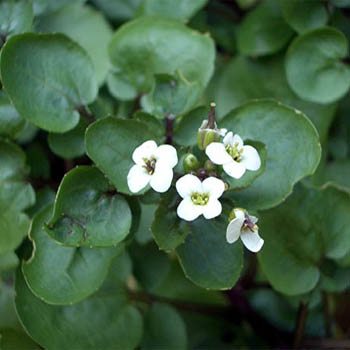
Watercress is a fast-growing aquatic herb and leafy green prized for its crisp texture and distinctive peppery flavor. Considered one of the oldest cultivated salad plants, Watercress has been enjoyed for centuries in Europe, Asia, and North America and remains a favorite among gardeners and chefs alike.
Its glossy green leaves and small white flowers create an attractive display while providing a continuous harvest of nutrient-rich greens. Watercress thrives in moist conditions and is exceptionally well suited to containers where soil moisture can be carefully maintained.
Whether added to salads, sandwiches, soups, or garnishes, Watercress brings a refreshing flavor and attractive appearance to countless dishes.
Uses- Fresh leaves add a crisp, peppery flavor to salads.
- Excellent in sandwiches, wraps, and fresh vegetable dishes.
- Popular ingredient in soups and traditional watercress recipes.
- Attractive garnish for meats, fish, and egg dishes.
- Suitable for container gardens and water features.
- Produces attractive white flowers that attract pollinators.
Watercress is ideal for container growing. Choose a wide container at least 8–12 inches deep and keep the soil consistently moist. Many gardeners successfully grow Watercress in containers placed in shallow trays of water to maintain the damp conditions the plant prefers.
Place containers in full sun to partial shade. In warmer climates, afternoon shade helps keep plants productive and prevents leaves from becoming overly strong in flavor.
Regular harvesting encourages fresh new growth and extends the productive season.
Germination Instructions- Sow seeds on the surface of moist seed-starting mix.
- Press seeds lightly into the soil without deeply covering them.
- Keep soil consistently moist throughout germination.
- Maintain temperatures of 55–70°F (13–21°C).
- Seeds typically germinate in 5–14 days.
- Provide bright light after seedlings emerge.
- Transplant carefully to avoid disturbing roots.
- Botanical Name: Nasturtium officinale
- Common Name: Watercress
- Plant Type: Perennial Aquatic Herb
- Height: 6–12 inches
- Spread: 12–24 inches
- Sun Exposure: Full Sun to Partial Shade
- Water Requirements: High
- Soil: Rich, consistently moist soil
- USDA Zones: 5–9
- Container Size: 8–12 inches minimum depth
Begin harvesting once plants have developed several sets of leaves. Snip young stems and leaves regularly, leaving enough growth for the plant to continue producing.
For the best flavor, harvest young tender growth before flowering. Frequent cutting promotes fresh new growth and a longer harvest period.
Why Grow Watercress?Watercress is an easy-to-grow herb that offers exceptional flavor, attractive foliage, and continuous harvests throughout the growing season. Its peppery leaves add excitement to salads and sandwiches, while its adaptability to containers makes it perfect for patios, decks, and small-space gardens. Productive, attractive, and rewarding, Watercress is an excellent addition to any edible garden.

Contact Us | Privacy Policy | About Us
| Returns
Serving gardeners since 1992
State of Mississippi Seedmen's Permit #C-391, Ohio 90152, Minnesota 20086777