
Our Favorite Vinca ( Periwinkle )
Growing vinca from seed is one of those activities that appeal to curious and/or enthusiastic gardeners. Far from being the difficult task it is touted to be, growing from seed simply takes a little more time and effort than buying plants at the garden center.
Vinca does not like cold, or even cool, temperatures or an abundance of moisture; both conditions existing outdoors in spring. Starting indoors, you control the environment.
Plan to sow the seeds 10 to 12 weeks before your average last frost in spring. Fill a shallow container or a flat with individual cells with a seed-starting mix. Moisten the mix and let it drain.
Sow seeds in rows in the container or 3 to 4 seeds per cell. Cover the seeds completely with 1/4 inch of the mix; press the mix down lightly and spritz the surface with water to moisten it and settle the seeds. Vinca requires total darkness to germinate; if light reaches the seeds, fewer of them will germinate. Cover the container with a sheet of black plastic or slip it inside a black plastic trash bag (instead of the usual clear plastic bag you use for other seeds, such as petunias and geraniums). If you can, set the container on a heating cable or mat to maintain a temperature of 77 degrees F (25 degrees C) in the media. Seeds will germinate in one to two weeks. Immediately remove the plastic cover and place the container in your sunniest window or in a fluorescent-light garden. Grow the plants at 70 degrees F or higher.
Don't overwater or overfeed the seedlings. Remember that vinca is drought tolerant. Water when the planting medium dries, but before the plants wilt. Fertilize about 10 days after the seeds have germinated. Use a water-soluble fertilizer that is low in phosphorus (the second number on a plant food label: 10-4-3, for example) and preferably obtains most of its nitrogen (the first number on the label) from a source other than ammonium nitrate.
When seedlings are about 2 inches tall, snip off all but the strongest plant in each cell at soil level. Space plants in flats about 2 inches apart. Transplant them to individual 2-1/2-inch pots when they reach about 3 inches tall and have at least three to four true leaves. Provide good air circulation by not overcrowding the plants. Provide high light levels, a southern window for example, to avoid "stretched" or leggy plants.
Fertilize again in two weeks.
Keep the plants indoors until soil and air temperatures outdoors are consistently above 65 degrees F.
Vinca branches naturally so you do not need to pinch out the growing tips to create a full, bushy plant.

PacificaXP Cherry Red Halo Vinca is a bright, heat-loving annual known for its rich cherry-red blooms accented by a clean white center. The glossy dark green foliage forms a neat, rounded plant that stays attractive through heat, humidity, and dry summer conditions. This variety brings dependable color to containers, borders, mass plantings, and sunny beds where many other annuals may struggle during the hottest part of the season.
Garden Uses:
Excellent for containers, patio pots, edging, mass plantings, sunny borders, landscape beds, and low-maintenance summer color displays. PacificaXP Cherry Red Halo combines beautifully with white vinca, blue salvia, sweet alyssum, ornamental grasses, portulaca, angelonia, dusty miller, and trailing verbena. Its bold red flowers with white centers give plantings a clean, eye-catching look.
Growing Information:
Start seeds indoors 10–12 weeks before the last expected frost, as vinca benefits from warm soil and a longer start. Press seeds lightly into the medium and cover, as darkness can aid germination. Keep soil warm and evenly moist, but not soggy. Transplant outdoors only after nights are warm and all danger of frost has passed. Plant in full sun with well-drained soil. Vinca performs best when allowed to dry slightly between waterings and does not like heavy, wet soil.
Pollinator Value:
The open, colorful flowers may attract butterflies and occasional bees, especially in sunny plantings. While vinca is grown primarily for heat-tolerant ornamental color, it can still contribute nectar to warm-season garden plantings.
Natural Garden Benefits:
PacificaXP Cherry Red Halo is valuable in hot, dry garden areas because it maintains color with relatively low water needs once established. Its dense growth helps shade the soil surface, reduce bare spots, and provide a polished look in sunny beds and containers.
Historical Significance:
Annual vinca, also known as Madagascar periwinkle, is native to Madagascar and became widely used in warm-climate gardens because of its exceptional tolerance to heat and drought. Modern PacificaXP varieties were developed for uniform growth, larger flowers, improved branching, and strong garden performance.
Interesting Facts:
Vinca is one of the most reliable annuals for hot summer gardens, often blooming steadily through conditions that cause many bedding plants to slow down. The “halo” pattern refers to the distinct white eye at the center of each cherry-red flower, giving the blooms extra contrast and visibility.
Seedman Notes:
A very dependable choice for hot, sunny locations. PacificaXP Cherry Red Halo offers strong color, glossy foliage, and excellent container performance with little fuss. For best results, avoid overwatering and plant only after warm weather has settled in.
Quick Facts:
Type: Tender Annual
Botanical Name: Catharanthus roseus
Common Name: PacificaXP Cherry Red Halo Vinca, Annual Vinca
Height: 10–14 Inches
Spread: 10–12 Inches
Light: Full Sun
Bloom Time: Summer Until Frost
Flower Color: Cherry Red with White Eye
Soil: Well-Drained
Water: Low to Moderate Once Established
Uses: Containers, Borders, Edging, Mass Plantings, Patio Pots, Hot Summer Beds
Attracts: Butterflies & Occasional Bees
Star Ratings:
★★★★★ Heat Tolerance
★★★★★ Container Performance
★★★★★ Summer Color
★★★★★ Low Maintenance
★★★★☆ Drought Tolerance Once Established
★★★☆☆ Pollinator Value
★★★★☆ Landscape Impact
★★☆☆☆ Cut Flower Use
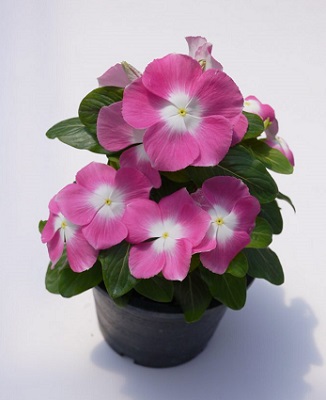
Mega Bloom Pink Halo Vinca is a vigorous, large-flowered annual that produces an abundance of bright rosy-pink blooms highlighted by a crisp white halo at the center of each flower. Bred for superior landscape performance, the Mega Bloom series combines oversized flowers with glossy deep green foliage and exceptional resistance to heat, humidity, and drought. It provides continuous color from early summer until frost, making it one of the most dependable flowering annuals for sunny gardens.
Garden Uses:
Outstanding for containers, hanging baskets, patio planters, borders, mass plantings, foundation beds, and sunny landscapes. Mega Bloom Pink Halo pairs beautifully with blue salvia, white alyssum, ornamental grasses, angelonia, dusty miller, coleus, lantana, and trailing verbena. The large flowers create bold splashes of color in both formal and informal garden settings.
Growing Information:
Start seeds indoors 10–12 weeks before the last expected frost. Sow seeds on the surface, cover lightly, and provide darkness during germination. Maintain warm soil temperatures and consistent moisture until seedlings emerge. Transplant outdoors only after nighttime temperatures remain warm. Plant in full sun with well-drained soil. Once established, allow the soil to dry slightly between waterings, as vinca performs best when not overwatered.
Pollinator Value:
The colorful blooms attract butterflies and occasional bees throughout the growing season. While primarily grown for ornamental value, the flowers provide nectar during the hottest months when fewer plants bloom continuously.
Natural Garden Benefits:
Mega Bloom Pink Halo thrives in hot, dry conditions where many bedding plants struggle. Its dense foliage shades the soil, helping reduce moisture loss while providing season-long color with minimal maintenance. It is an excellent choice for water-wise landscapes and low-maintenance gardens.
Historical Significance:
Annual vinca, native to Madagascar, has become one of the world's most widely planted warm-season bedding flowers because of its remarkable ability to thrive in heat and humidity. Modern hybrids like the Mega Bloom series have been bred for larger flowers, improved branching, enhanced disease resistance, and superior garden performance.
Interesting Facts:
The oversized flowers of the Mega Bloom series can be significantly larger than those of traditional vincas, creating a striking landscape display. The distinctive white halo at the center of each rosy-pink bloom enhances the flower's brightness and visibility, even from a distance.
Seedman Notes:
Mega Bloom Pink Halo is an excellent choice for gardeners seeking bold color with minimal maintenance. Its combination of oversized blooms, glossy foliage, and outstanding heat tolerance makes it one of the finest vincas for containers and sunny landscape beds. Plant after warm weather arrives and avoid excessive watering for the healthiest plants.
Quick Facts:
Type: Tender Annual
Botanical Name: Catharanthus roseus
Common Name: Mega Bloom Pink Halo Vinca
Height: 12–16 Inches
Spread: 12–16 Inches
Light: Full Sun
Bloom Time: Early Summer Until Frost
Flower Color: Bright Pink with White Halo Center
Soil: Well-Drained
Water: Low to Moderate Once Established
Uses: Containers, Borders, Mass Plantings, Patio Pots, Landscape Beds
Attracts: Butterflies & Occasional Bees
Star Ratings:
★★★★★ Heat Tolerance
★★★★★ Flower Size
★★★★★ Container Performance
★★★★★ Landscape Performance
★★★★☆ Drought Tolerance Once Established
★★★☆☆ Pollinator Value
★★★★★ Continuous Bloom
★★☆☆☆ Cut Flower Use

Mega Bloom Mix Vinca is a premium annual blend that combines oversized flowers in a brilliant assortment of white, pink, rose, red, lavender, orchid, and bi-colored shades. Developed for outstanding landscape performance, the Mega Bloom series produces exceptionally large blossoms above glossy deep green foliage while thriving in the hottest, sunniest conditions of summer. The compact, well-branched plants bloom continuously from early summer until frost, providing months of carefree color with very little maintenance.
Garden Uses:
Ideal for mass plantings, borders, containers, patio pots, window boxes, landscape beds, foundation plantings, and public landscapes. Mega Bloom Mix creates spectacular displays when planted in large groups and combines beautifully with angelonia, blue salvia, ornamental grasses, coleus, lantana, dusty miller, sweet alyssum, and trailing verbena. The colorful mix offers season-long interest in both formal and informal garden settings.
Growing Information:
Start seeds indoors 10–12 weeks before the last expected frost. Sow seeds shallowly, cover lightly, and provide darkness during germination while maintaining warm soil temperatures. Keep seedlings evenly moist until established. Transplant outdoors only after all danger of frost has passed and nighttime temperatures remain consistently warm. Plant in full sun and well-drained soil. Once established, allow the soil to dry slightly between waterings, as vinca performs best under moderately dry conditions.
Pollinator Value:
The large, colorful flowers attract butterflies and occasional bees throughout the growing season. Although primarily grown for ornamental value, the long bloom period provides a dependable nectar source during the warmest months of summer.
Natural Garden Benefits:
Mega Bloom Mix thrives in hot, dry weather where many flowering annuals decline. The dense foliage shades the soil, helping conserve moisture while reducing weed growth. Its exceptional drought tolerance makes it an excellent addition to water-wise landscapes and low-maintenance gardens.
Historical Significance:
Native to Madagascar, annual vinca has become one of the world's most dependable bedding plants because of its outstanding tolerance to heat, humidity, and drought. Modern breeding programs produced the Mega Bloom series to combine larger flowers, improved branching, superior disease resistance, and consistent flowering for home gardeners and professional landscapers alike.
Interesting Facts:
Unlike many bedding plants that slow down during periods of intense summer heat, vinca often performs even better as temperatures rise. The Mega Bloom series produces flowers significantly larger than traditional vinca varieties while maintaining excellent weather resistance and continuous blooming without deadheading.
Seedman Notes:
Mega Bloom Mix is one of the easiest annuals to grow for dependable summer color. The broad range of flower colors creates an ever-changing display that remains attractive from planting time until frost. Simply provide sunshine, good drainage, and avoid overwatering to enjoy months of effortless blooms.
Quick Facts:
Type: Tender Annual
Botanical Name: Catharanthus roseus
Common Name: Mega Bloom Mix Vinca
Height: 12–16 Inches
Spread: 12–16 Inches
Light: Full Sun
Bloom Time: Early Summer Until Frost
Flower Colors: White, Pink, Rose, Red, Lavender, Orchid & Bi-Color Mix
Soil: Well-Drained
Water: Low to Moderate Once Established
Uses: Containers, Borders, Mass Plantings, Landscape Beds, Patio Pots
Attracts: Butterflies & Occasional Bees
Star Ratings:
★★★★★ Heat Tolerance
★★★★★ Continuous Bloom
★★★★★ Container Performance
★★★★★ Landscape Performance
★★★★★ Color Variety
★★★★☆ Drought Tolerance Once Established
★★★☆☆ Pollinator Value
★★☆☆☆ Cut Flower Use
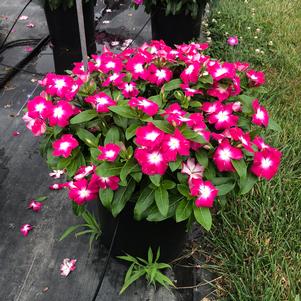
Cora Magenta Halo XDR Vinca is an outstanding garden performer featuring vivid magenta flowers highlighted by a bright white halo at the center of each bloom. Part of the advanced Cora XDR (eXtreme Disease Resistance) series, this variety was bred to deliver exceptional resistance to aerial Phytophthora while thriving through intense summer heat, humidity, and periods of drought. Its glossy emerald-green foliage remains attractive all season, providing nonstop color from early summer until frost with very little maintenance.
Garden Uses:
Ideal for landscape beds, borders, containers, hanging baskets, patio planters, foundation plantings, and mass displays. Cora Magenta Halo XDR pairs beautifully with white alyssum, blue salvia, angelonia, ornamental grasses, coleus, lantana, dusty miller, and trailing verbena. The vibrant magenta flowers create a striking contrast against silver foliage plants and complement nearly every summer annual.
Growing Information:
Start seeds indoors 10–12 weeks before the final spring frost. Sow seeds shallowly, cover lightly, and provide darkness during germination while maintaining warm soil temperatures. Transplant outdoors only after all danger of frost has passed and nighttime temperatures remain consistently above 60°F. Plant in full sun with well-drained soil. Once established, water moderately, allowing the soil to dry slightly between irrigations. Avoid overly wet soils, which can encourage root diseases even in improved varieties.
Pollinator Value:
The colorful blossoms attract butterflies and occasional bees throughout the growing season. The abundant flowers provide nectar during the hottest months when relatively few bedding plants continue blooming as freely.
Natural Garden Benefits:
Cora Magenta Halo XDR performs exceptionally well in hot, sunny landscapes while requiring relatively little supplemental water once established. Its dense branching shades the soil surface, helping reduce moisture loss and maintain an attractive appearance through long summers.
Historical Significance:
Annual vinca (Catharanthus roseus) originates from Madagascar and has become one of the world's premier bedding plants because of its remarkable tolerance to heat and drought. The modern Cora XDR series represents the latest generation of breeding, combining outstanding landscape performance with significantly improved resistance to aerial Phytophthora, one of the most troublesome diseases affecting vinca in humid climates.
Interesting Facts:
The "Halo" designation refers to the bright white eye that radiates from the center of each vivid magenta flower, creating exceptional contrast and visibility from a distance. The XDR series was specifically developed to perform reliably even under warm, humid conditions that challenge many traditional vinca varieties.
Seedman Notes:
For gardeners in warm, humid regions, Cora Magenta Halo XDR is one of the finest vincas available. Its brilliant flowers, improved disease resistance, and exceptional heat tolerance provide dependable color from planting until frost with minimal maintenance. Plant in full sun and provide excellent drainage for optimum performance.
Quick Facts:
Type: Tender Annual
Botanical Name: Catharanthus roseus
Common Name: Cora Magenta Halo XDR Vinca
Height: 12–16 Inches
Spread: 12–16 Inches
Light: Full Sun
Bloom Time: Early Summer Until Frost
Flower Color: Brilliant Magenta with White Halo Center
Soil: Well-Drained
Water: Low to Moderate Once Established
Uses: Containers, Borders, Mass Plantings, Landscape Beds, Patio Gardens
Attracts: Butterflies & Occasional Bees
Star Ratings:
★★★★★ Heat Tolerance
★★★★★ Disease Resistance
★★★★★ Continuous Bloom
★★★★★ Landscape Performance
★★★★★ Container Performance
★★★★☆ Drought Tolerance Once Established
★★★☆☆ Pollinator Value
★★☆☆☆ Cut Flower Use
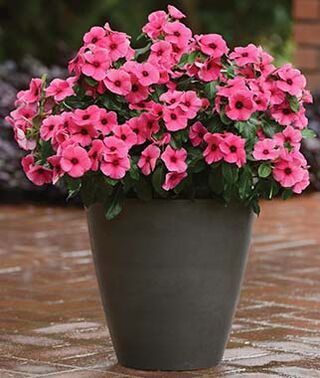
Tattoo Raspberry Vinca is a truly distinctive annual featuring rich raspberry-pink flowers accented with dramatic darker veining that creates a hand-painted or airbrushed appearance. Part of the innovative Tattoo series, each bloom displays intricate patterns radiating from the flower's center, giving the plant an artistic look unlike traditional vincas. Combined with glossy dark green foliage and exceptional heat tolerance, Tattoo Raspberry provides striking color from early summer until frost while thriving in the hottest garden conditions.
Garden Uses:
An outstanding choice for containers, patio planters, hanging baskets, borders, mass plantings, landscape beds, and mixed annual displays. Tattoo Raspberry pairs beautifully with white alyssum, silver dusty miller, blue salvia, angelonia, coleus, ornamental grasses, and trailing calibrachoa. The uniquely patterned blooms create eye-catching focal points in both containers and flower beds.
Growing Information:
Start seeds indoors 10–12 weeks before the last expected frost. Sow seeds shallowly, cover lightly, and provide darkness during germination while maintaining warm soil temperatures. Transplant outdoors only after all danger of frost has passed and nighttime temperatures remain consistently warm. Plant in full sun with well-drained soil. Once established, water moderately, allowing the soil to dry slightly between irrigations. Avoid consistently wet soil for best performance.
Pollinator Value:
The brightly colored flowers attract butterflies and occasional bees throughout the growing season. Their long bloom period provides nectar during the warmest months when continuous flowering plants are especially valuable to pollinators.
Natural Garden Benefits:
Tattoo Raspberry thrives during hot, dry weather and maintains its attractive appearance with relatively little supplemental watering. Its dense foliage helps shade the soil, conserving moisture while providing months of uninterrupted color in sunny landscapes.
Historical Significance:
Annual vinca (Catharanthus roseus) has become one of the world's most dependable bedding plants because of its exceptional tolerance to heat and drought. The Tattoo series represents a modern breeding breakthrough, introducing dramatic patterned flowers with artistic veining while maintaining the rugged durability that has made vinca a favorite of gardeners worldwide.
Interesting Facts:
The Tattoo series was named for its remarkable flower markings, which resemble delicate hand-painted artwork or tattoo-style shading. No two blooms appear exactly alike, giving each planting a naturally artistic look. Despite their exotic appearance, the plants remain just as tough and easy to grow as traditional vinca varieties.
Seedman Notes:
Tattoo Raspberry is perfect for gardeners looking for something beyond ordinary bedding plants. Its richly patterned blooms draw attention from across the garden while requiring remarkably little maintenance. Plant in full sun with excellent drainage to enjoy spectacular color throughout the hottest months of summer.
Quick Facts:
Type: Tender Annual
Botanical Name: Catharanthus roseus
Common Name: Tattoo Raspberry Vinca
Height: 10–14 Inches
Spread: 12–16 Inches
Light: Full Sun
Bloom Time: Early Summer Until Frost
Flower Color: Raspberry Pink with Dark Artistic Veining
Soil: Well-Drained
Water: Low to Moderate Once Established
Uses: Containers, Borders, Mass Plantings, Landscape Beds, Patio Gardens
Attracts: Butterflies & Occasional Bees
Star Ratings:
★★★★★ Unique Flower Pattern
★★★★★ Heat Tolerance
★★★★★ Container Performance
★★★★★ Landscape Performance
★★★★★ Continuous Bloom
★★★★☆ Drought Tolerance Once Established
★★★☆☆ Pollinator Value
★★☆☆☆ Cut Flower Use
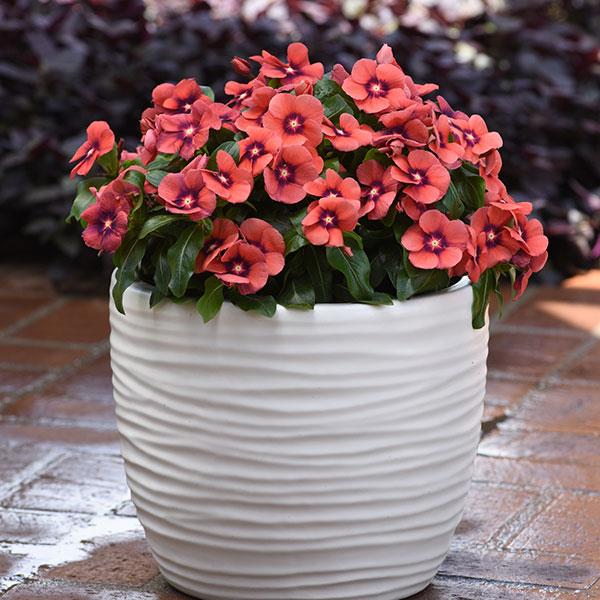
Tattoo Tangerine Vinca is one of the most eye-catching members of the innovative Tattoo series, producing glowing tangerine-orange blooms enhanced with dramatic darker veining that creates a hand-painted appearance. Each flower displays intricate shading radiating outward from the center, giving the blooms remarkable depth and character. Combined with glossy emerald-green foliage and outstanding heat tolerance, Tattoo Tangerine delivers vibrant summer color from early summer until frost with very little maintenance.
Garden Uses:
Ideal for containers, hanging baskets, patio planters, borders, mass plantings, landscape beds, and sunny mixed annual gardens. Tattoo Tangerine pairs beautifully with purple angelonia, blue salvia, white alyssum, silver dusty miller, coleus, ornamental grasses, lantana, and trailing calibrachoa. The warm orange tones create spectacular combinations with blue and purple companion flowers.
Growing Information:
Start seeds indoors 10–12 weeks before the last expected frost. Sow seeds shallowly, cover lightly, and provide darkness during germination while maintaining warm soil temperatures. Transplant outdoors only after nighttime temperatures remain consistently warm and all danger of frost has passed. Plant in full sun with fertile, well-drained soil. Water regularly during establishment, then allow the soil to dry slightly between waterings. Vinca performs best when not overwatered.
Pollinator Value:
The vibrant blossoms attract butterflies and occasional bees throughout the growing season. Their extended bloom period provides a reliable nectar source during the hottest months when many flowering plants begin to decline.
Natural Garden Benefits:
Tattoo Tangerine thrives in hot, sunny locations while requiring relatively little supplemental water once established. Its dense branching shades the soil surface, helping conserve moisture and suppress weeds while providing continuous color throughout the summer.
Historical Significance:
Annual vinca (Catharanthus roseus) originated in Madagascar and has become one of the world's most dependable warm-season bedding plants. The Tattoo series represents a significant breeding advancement by introducing beautifully patterned blooms while preserving the exceptional heat tolerance, drought resistance, and reliability that gardeners have long appreciated.
Interesting Facts:
The Tattoo series is named for the unique veining and shading found on each flower, giving the blooms the appearance of carefully painted artwork. The glowing tangerine coloration is especially striking in bright sunshine, making this variety a standout in summer landscapes and decorative containers.
Seedman Notes:
Tattoo Tangerine is an excellent choice for gardeners looking to add something truly different to summer plantings. Its warm, glowing flowers and distinctive artistic markings create a tropical look while remaining one of the easiest annuals to grow. Plant in full sun with excellent drainage for months of dependable blooms.
Quick Facts:
Type: Tender Annual
Botanical Name: Catharanthus roseus
Common Name: Tattoo Tangerine Vinca
Height: 10–14 Inches
Spread: 12–16 Inches
Light: Full Sun
Bloom Time: Early Summer Until Frost
Flower Color: Tangerine Orange with Dark Decorative Veining
Soil: Well-Drained
Water: Low to Moderate Once Established
Uses: Containers, Borders, Mass Plantings, Landscape Beds, Patio Gardens
Attracts: Butterflies & Occasional Bees
Star Ratings:
★★★★★ Unique Flower Pattern
★★★★★ Heat Tolerance
★★★★★ Summer Color Impact
★★★★★ Container Performance
★★★★★ Continuous Bloom
★★★★☆ Drought Tolerance Once Established
★★★☆☆ Pollinator Value
★★☆☆☆ Cut Flower Use
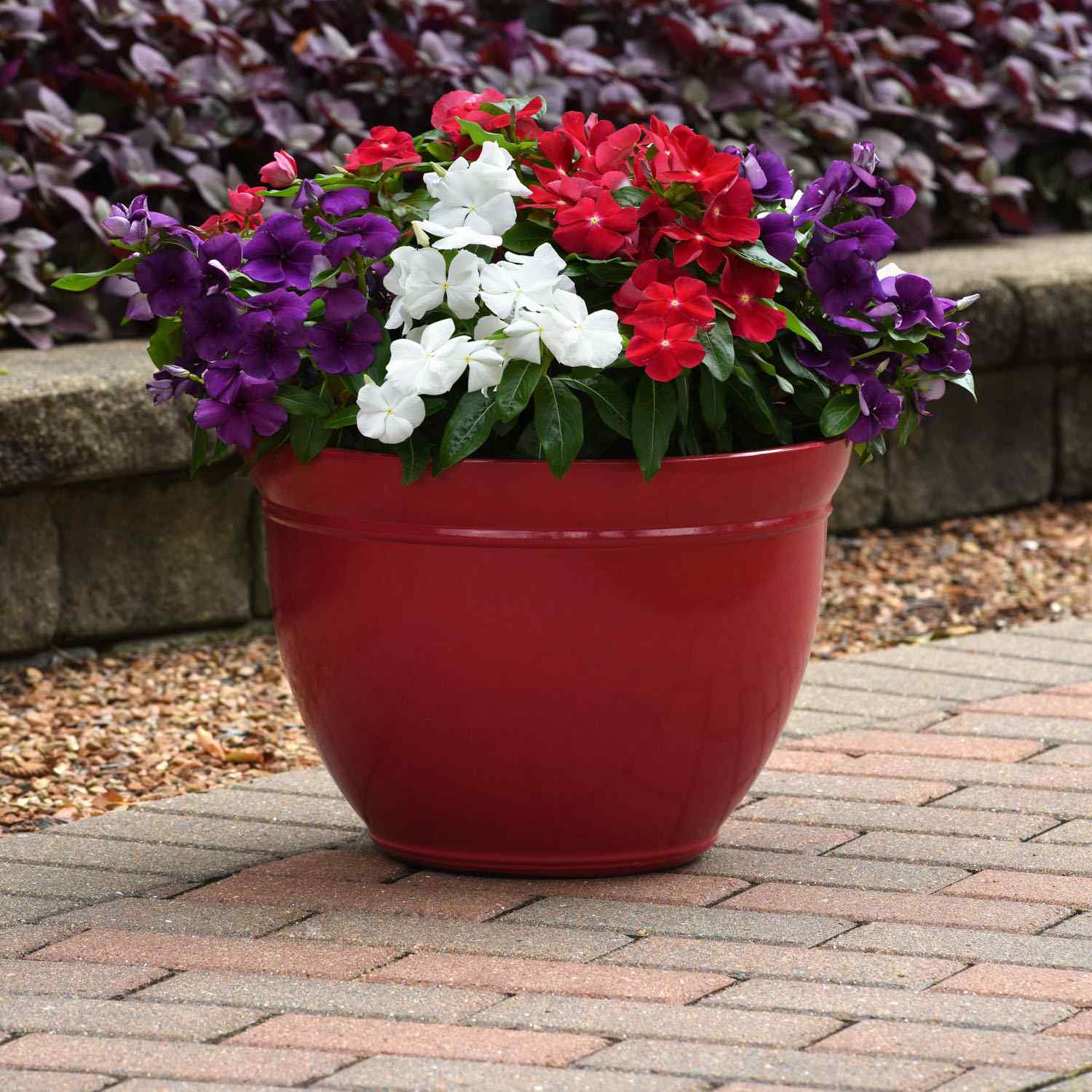
Tattoo American Pie Mix Vinca is a remarkable blend of uniquely patterned annual vincas featuring richly colored blooms with artistic veining and dramatic halo effects. The mix includes an exciting assortment of raspberry, blackberry, tangerine, papaya, blueberry, and other warm-toned shades, each accented by the signature "tattooed" markings that make every flower appear hand-painted. Combined with glossy dark green foliage and exceptional heat tolerance, this premium series provides continuous color from early summer until frost while thriving in challenging summer conditions.
Garden Uses:
An outstanding choice for containers, hanging baskets, patio planters, sunny borders, mass plantings, foundation beds, and landscape displays. Tattoo American Pie Mix combines beautifully with angelonia, blue salvia, coleus, ornamental grasses, sweet alyssum, dusty miller, lantana, and trailing verbena. The wide range of warm, vibrant colors creates spectacular mixed plantings with exceptional visual depth.
Growing Information:
Start seeds indoors 10–12 weeks before the last expected frost. Sow seeds shallowly, cover lightly, and provide darkness during germination while maintaining warm soil temperatures. Transplant outdoors after all danger of frost has passed and nighttime temperatures consistently remain above 60°F. Plant in full sun with fertile, well-drained soil. Once established, water moderately and allow the soil surface to dry slightly between waterings. Vinca performs best when not overwatered.
Pollinator Value:
The colorful blooms attract butterflies and occasional bees throughout the growing season. Their long flowering period provides valuable nectar during midsummer when dependable flowering plants are especially important to pollinators.
Natural Garden Benefits:
Tattoo American Pie Mix excels in hot, sunny landscapes where many bedding plants struggle. Its dense, branching habit shades the soil, helping conserve moisture while providing season-long color with minimal maintenance. It is an excellent selection for water-wise landscapes and high-heat gardens.
Historical Significance:
Annual vinca (Catharanthus roseus) originated in Madagascar and has become one of the world's most reliable bedding plants because of its remarkable tolerance to heat, humidity, and drought. The Tattoo series represents one of the most innovative advances in vinca breeding, introducing dramatic artistic flower patterns while preserving the rugged durability and continuous blooming that gardeners have trusted for decades.
Interesting Facts:
The "American Pie" collection celebrates warm, dessert-inspired colors that range from rich berry shades to glowing oranges and peaches. Each flower displays unique veining and shading patterns, making every planting slightly different and giving the garden a handcrafted, artistic appearance.
Seedman Notes:
Tattoo American Pie Mix offers one of the most distinctive flower displays available in annual vincas. The combination of richly patterned blooms, outstanding heat tolerance, and carefree growth makes this an excellent choice for gardeners seeking something truly different. Plant in full sun with good drainage and enjoy continuous blooms throughout the hottest months of the year.
Quick Facts:
Type: Tender Annual
Botanical Name: Catharanthus roseus
Common Name: Tattoo American Pie Mix Vinca
Height: 10–14 Inches
Spread: 12–16 Inches
Light: Full Sun
Bloom Time: Early Summer Until Frost
Flower Colors: Raspberry, Blackberry, Tangerine, Papaya, Berry Tones & Other Tattoo-Patterned Shades
Soil: Well-Drained
Water: Low to Moderate Once Established
Uses: Containers, Borders, Mass Plantings, Patio Gardens, Landscape Beds
Attracts: Butterflies & Occasional Bees
Star Ratings:
★★★★★ Unique Flower Patterns
★★★★★ Heat Tolerance
★★★★★ Color Variety
★★★★★ Container Performance
★★★★★ Continuous Bloom
★★★★☆ Drought Tolerance Once Established
★★★☆☆ Pollinator Value
★★☆☆☆ Cut Flower Use
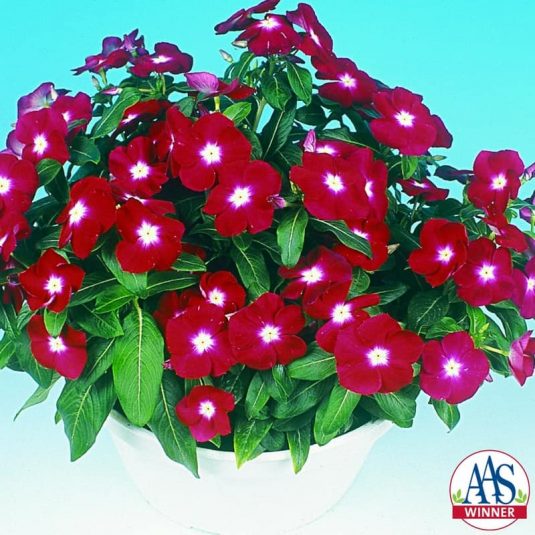
Jaio Dark Red Vinca is a compact, floriferous annual that produces an abundance of deep velvety red flowers set against glossy emerald-green foliage. Bred for uniform growth and exceptional garden performance, the Jaio series delivers nonstop blooms from early summer until frost while thriving through intense heat, humidity, and dry conditions. Its rich crimson flowers create bold color in containers and landscape beds, making it an excellent choice for gardeners seeking dependable, low-maintenance beauty throughout the warmest months of the year.
Garden Uses:
Excellent for containers, window boxes, patio planters, borders, edging, mass plantings, foundation beds, and sunny landscape displays. Jaio Dark Red pairs beautifully with white alyssum, silver dusty miller, blue salvia, angelonia, ornamental grasses, coleus, lantana, and trailing verbena. Its rich red flowers provide dramatic contrast against silver or blue companion plants.
Growing Information:
Start seeds indoors 10–12 weeks before the final spring frost. Sow seeds shallowly, cover lightly, and maintain warm soil temperatures during germination, as darkness promotes sprouting. Transplant outdoors only after all danger of frost has passed and nighttime temperatures remain consistently warm. Plant in full sun and well-drained soil. Water regularly until established, then allow the soil to dry slightly between irrigations. Avoid excessive moisture, as vinca performs best in well-drained conditions.
Pollinator Value:
The bright blooms attract butterflies and occasional bees throughout the growing season. Their continuous flowering provides nectar during the hottest part of summer when many annuals begin to slow down.
Natural Garden Benefits:
Jaio Dark Red Vinca performs exceptionally well in hot, sunny locations while requiring relatively little supplemental water once established. Its dense branching habit shades the soil, helping conserve moisture and maintain an attractive landscape with minimal maintenance.
Historical Significance:
Annual vinca (Catharanthus roseus) is native to Madagascar and has become one of the world's most dependable warm-season bedding plants because of its outstanding tolerance to heat, humidity, and drought. The Jaio series was developed to provide compact, uniform plants with abundant flowering, making it popular for both home gardens and professional landscape installations.
Interesting Facts:
Unlike many flowering annuals, vinca actually flourishes during the hottest weeks of summer. The deep red blooms of Jaio Dark Red maintain their rich color even under intense sunlight, providing vibrant landscape color long after many bedding plants have faded.
Seedman Notes:
Jaio Dark Red is an excellent choice for gardeners who want reliable summer performance without constant care. Its compact habit, continuous flowering, and outstanding heat tolerance make it equally at home in decorative containers or large landscape plantings. For best results, provide plenty of sunshine and excellent drainage.
Quick Facts:
Type: Tender Annual
Botanical Name: Catharanthus roseus
Common Name: Jaio Dark Red Vinca
Height: 10–14 Inches
Spread: 10–14 Inches
Light: Full Sun
Bloom Time: Early Summer Until Frost
Flower Color: Deep Dark Red
Soil: Well-Drained
Water: Low to Moderate Once Established
Uses: Containers, Borders, Mass Plantings, Patio Gardens, Landscape Beds
Attracts: Butterflies & Occasional Bees
Star Ratings:
★★★★★ Heat Tolerance
★★★★★ Continuous Bloom
★★★★★ Landscape Performance
★★★★★ Container Performance
★★★★☆ Drought Tolerance Once Established
★★★★☆ Low Maintenance
★★★☆☆ Pollinator Value
★★☆☆☆ Cut Flower Use
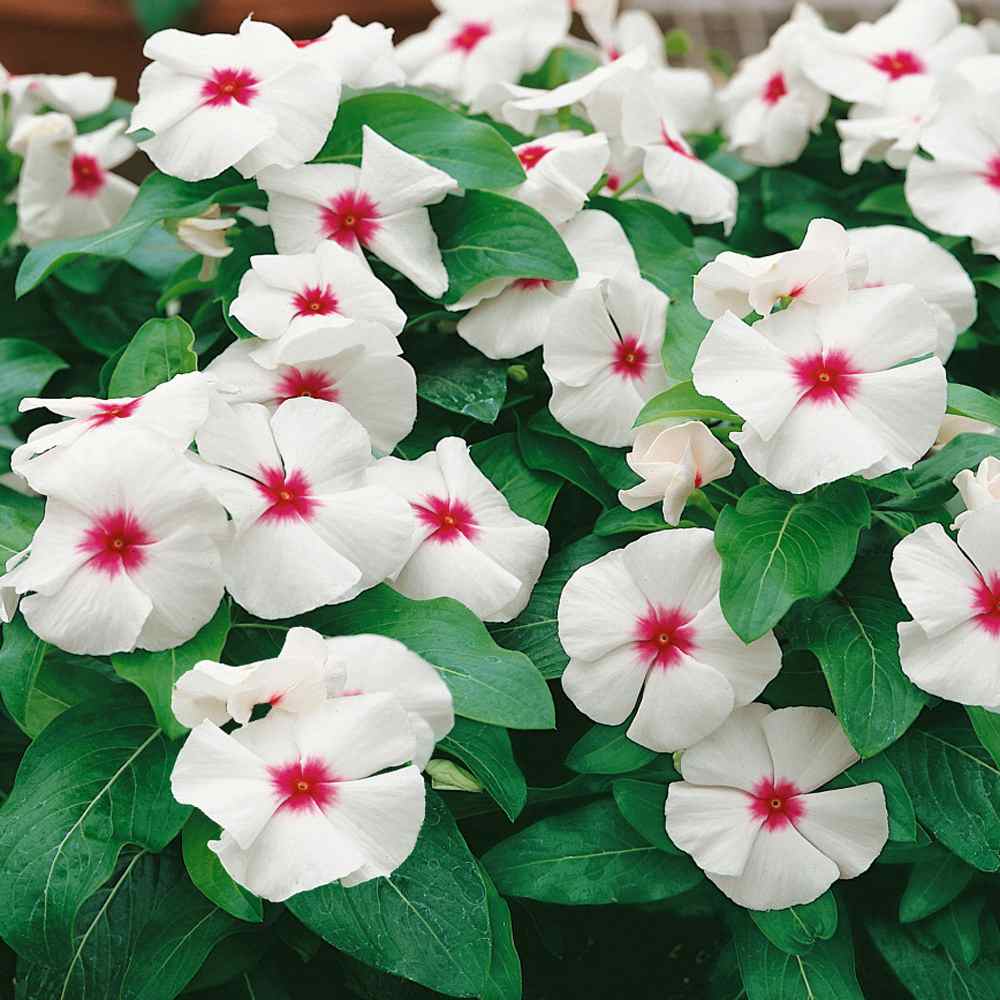
Little Bright Eyes Vinca is a charming compact annual that produces crisp white flowers with vivid rosy-red centers set against glossy dark green foliage. This classic color pattern gives the plant a bright, clean appearance that stands out beautifully in containers, borders, and summer bedding displays. Tough, heat-loving, and easy to maintain, Little Bright Eyes provides steady color from early summer until frost, even during hot weather when many other annuals begin to fade.
Garden Uses:
Excellent for containers, window boxes, patio pots, edging, borders, mass plantings, foundation beds, and low-maintenance summer landscapes. Little Bright Eyes pairs beautifully with red salvia, blue angelonia, sweet alyssum, dusty miller, coleus, ornamental grasses, portulaca, and trailing verbena. Its white flowers with bright centers create a fresh, cheerful look that works well in both formal and informal plantings.
Growing Information:
Start seeds indoors 10–12 weeks before the last expected frost. Sow seeds shallowly, cover lightly, and provide darkness during germination while keeping the soil warm and evenly moist. Transplant outdoors only after all danger of frost has passed and nighttime temperatures remain consistently warm. Plant in full sun with well-drained soil. Water regularly until established, then allow soil to dry slightly between waterings. Avoid overly wet soil, as vinca prefers good drainage.
Pollinator Value:
The bright open flowers may attract butterflies and occasional bees throughout the summer. While grown mainly for ornamental display, its long bloom season can provide nectar during hot months when dependable flowers are useful in the garden.
Natural Garden Benefits:
Little Bright Eyes performs well in hot, sunny locations and maintains a tidy appearance with little care. Its dense foliage helps shade the soil surface, reducing moisture loss and helping suppress small weeds in containers and bedding areas.
Historical Significance:
Annual vinca, also known as Madagascar periwinkle, is native to Madagascar and became widely used in warm-climate gardens because of its remarkable tolerance to heat, drought, and poor summer conditions. White vincas with contrasting eyes have long been favorites for adding brightness and definition to bedding displays.
Interesting Facts:
The vivid red eye at the center of each white flower gives this variety its “Bright Eyes” appearance. Vinca flowers are naturally self-cleaning, so plants continue looking neat without the need for constant deadheading.
Seedman Notes:
Little Bright Eyes is a dependable choice for hot summer gardens, especially where clean white color is needed with a touch of bright contrast. It is especially useful in containers and mass plantings, where the repeated white-and-red flowers create a polished, cheerful display.
Quick Facts:
Type: Tender Annual
Botanical Name: Catharanthus roseus
Common Name: Little Bright Eyes Vinca, Annual Vinca
Height: 8–12 Inches
Spread: 8–12 Inches
Light: Full Sun
Bloom Time: Early Summer Until Frost
Flower Color: White with Rosy-Red Eye
Soil: Well-Drained
Water: Low to Moderate Once Established
Uses: Containers, Edging, Borders, Mass Plantings, Patio Pots, Landscape Beds
Attracts: Butterflies & Occasional Bees
Star Ratings:
★★★★★ Heat Tolerance
★★★★★ Container Performance
★★★★★ Continuous Bloom
★★★★★ Low Maintenance
★★★★☆ Drought Tolerance Once Established
★★★☆☆ Pollinator Value
★★★★★ Clean Garden Color
★★☆☆☆ Cut Flower Use
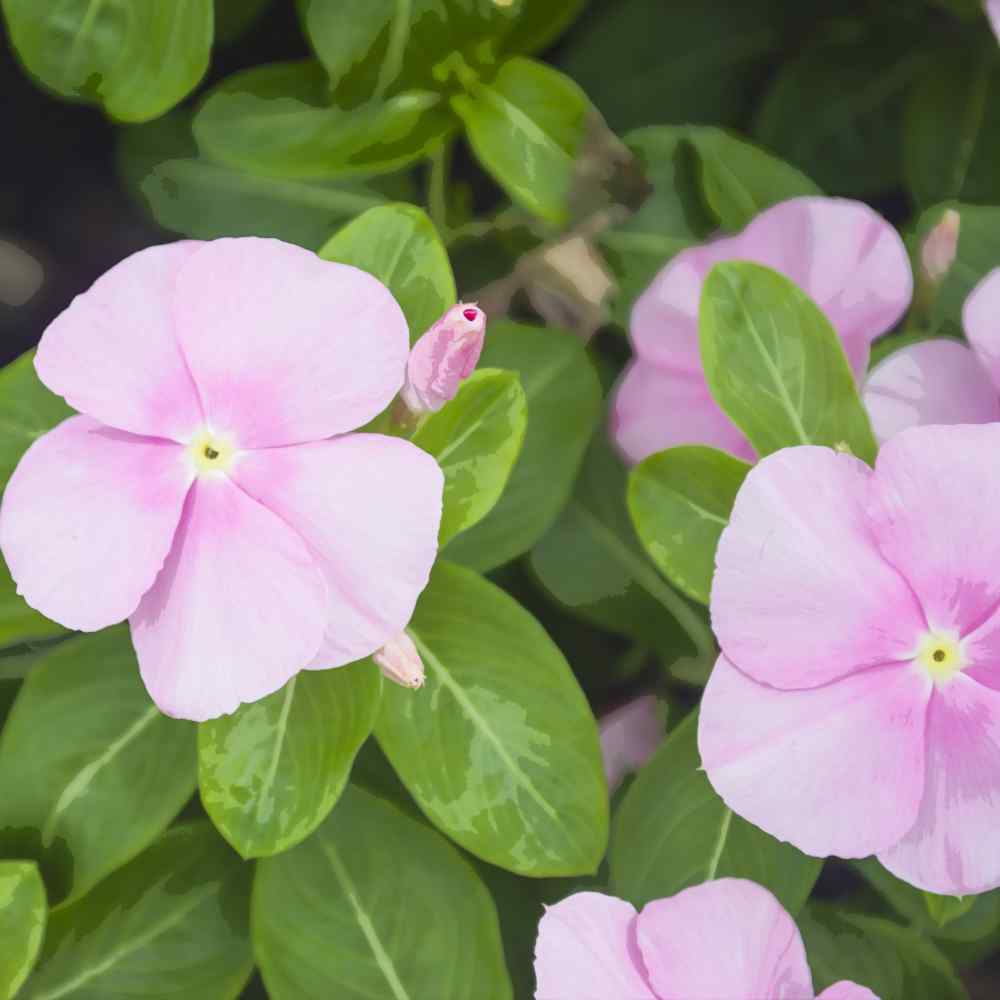
Dwarf Little Delicata Vinca is a compact, softly colored annual valued for its delicate pastel pink flowers and glossy green foliage. Its neat, dwarf habit makes it especially useful for containers, edging, window boxes, and small garden spaces where a tidy plant with continuous summer bloom is needed. The gentle pink blossoms give plantings a refined, airy look while still providing the toughness and heat tolerance that makes annual vinca such a dependable warm-season flower.
Garden Uses:
Excellent for containers, patio pots, edging, low borders, window boxes, mass plantings, and small-space gardens. Dwarf Little Delicata pairs beautifully with white alyssum, blue salvia, dusty miller, lavender angelonia, coleus, ornamental grasses, portulaca, and trailing verbena. Its soft color is especially nice in pastel gardens and mixed summer containers.
Growing Information:
Start seeds indoors 10–12 weeks before the last expected frost. Sow shallowly, cover lightly, and provide darkness during germination while keeping the soil warm and evenly moist. Transplant outdoors only after all danger of frost has passed and nights remain warm. Plant in full sun with well-drained soil. Water regularly until established, then allow soil to dry slightly between waterings. Avoid heavy, wet soil, as vinca performs best with good drainage.
Pollinator Value:
The flowers may attract butterflies and occasional bees during summer. While primarily grown for ornamental color, its long bloom season can provide a small but steady nectar source in sunny plantings.
Natural Garden Benefits:
Dwarf Little Delicata is useful in hot, sunny areas where low-maintenance color is needed. Its dense foliage helps shade the soil, reduce moisture loss, and keep containers and border fronts looking full through summer heat.
Historical Significance:
Annual vinca, also known as Madagascar periwinkle, is native to Madagascar and became popular worldwide because of its tolerance to heat, drought, and difficult summer conditions. Compact dwarf selections were developed to provide the same reliable bloom in smaller, tidier plants suited for containers and edging.
Interesting Facts:
Vinca flowers are naturally self-cleaning, so plants continue blooming neatly without constant deadheading. Soft pink varieties like Little Delicata are especially useful where gardeners want a gentle color effect rather than a bold, high-contrast display.
Seedman Notes:
Dwarf Little Delicata is a fine choice for gardeners who want compact growth, soft color, and dependable summer performance. It is especially attractive in decorative pots and border fronts. For best results, plant after warm weather has arrived and avoid overwatering.
Quick Facts:
Type: Tender Annual
Botanical Name: Catharanthus roseus
Common Name: Dwarf Little Delicata Vinca
Height: 8–12 Inches
Spread: 8–12 Inches
Light: Full Sun
Bloom Time: Early Summer Until Frost
Flower Color: Soft Pastel Pink
Soil: Well-Drained
Water: Low to Moderate Once Established
Uses: Containers, Edging, Window Boxes, Borders, Patio Pots, Mass Plantings
Attracts: Butterflies & Occasional Bees
Star Ratings:
★★★★★ Heat Tolerance
★★★★★ Container Performance
★★★★★ Low Maintenance
★★★★★ Compact Habit
★★★★☆ Drought Tolerance Once Established
★★★☆☆ Pollinator Value
★★★★★ Soft Pastel Color
★★☆☆☆ Cut Flower Use
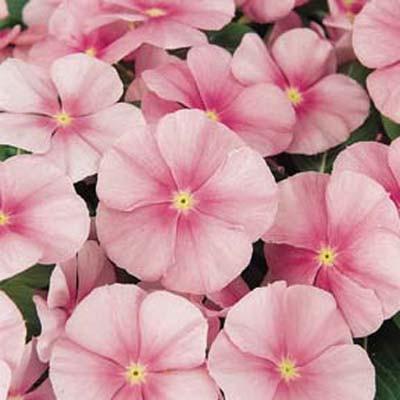
Pacifica XP Icy Pink Vinca is a soft, elegant annual that produces masses of pale pink flowers with a deeper rosy-pink center, all set above glossy dark green foliage. Part of the dependable Pacifica XP series, this variety is bred for uniform growth, early flowering, and excellent performance in hot summer landscapes. Its gentle pastel coloring gives containers, borders, and mass plantings a cool, refined look while still providing the rugged heat and drought tolerance that annual vinca is known for.
Garden Uses:
Excellent for containers, patio pots, window boxes, edging, borders, mass plantings, foundation beds, and sunny landscape displays. Pacifica XP Icy Pink pairs beautifully with white alyssum, lavender angelonia, blue salvia, dusty miller, coleus, ornamental grasses, portulaca, and trailing verbena. Its soft pink flowers are especially useful in pastel gardens and mixed summer containers.
Growing Information:
Start seeds indoors 10–12 weeks before the last expected frost. Sow seeds shallowly, cover lightly, and provide darkness during germination while keeping the soil warm and evenly moist. Transplant outdoors only after all danger of frost has passed and nighttime temperatures remain consistently warm. Plant in full sun and well-drained soil. Water regularly until established, then allow soil to dry slightly between waterings. Avoid heavy, wet soil, as vinca performs best with good drainage.
Pollinator Value:
The open flowers may attract butterflies and occasional bees during the summer months. While grown mainly for ornamental color, the steady bloom season can provide a small but useful nectar source in hot-weather plantings.
Natural Garden Benefits:
Pacifica XP Icy Pink is valuable in hot, sunny sites where low-maintenance flowering plants are needed. Its dense foliage helps shade the soil surface, conserve moisture, and keep containers or bedding areas looking full through summer heat.
Historical Significance:
Annual vinca, or Madagascar periwinkle, is native to Madagascar and became widely grown around the world because of its ability to thrive in heat, humidity, and drought. The Pacifica XP series was developed to provide improved uniformity, reliable flowering, and strong garden performance for both home gardeners and professional growers.
Interesting Facts:
The “Icy Pink” color gives a cool pastel effect that remains attractive even in bright summer sunshine. Vinca plants are naturally self-cleaning, so they continue blooming without the need for constant deadheading.
Seedman Notes:
Pacifica XP Icy Pink is a dependable choice for gardeners who want soft color with strong summer performance. It is especially attractive in decorative pots and pastel-themed beds. For best results, plant after the weather is fully warm and avoid overwatering.
Quick Facts:
Type: Tender Annual
Botanical Name: Catharanthus roseus
Common Name: Pacifica XP Icy Pink Vinca
Height: 10–14 Inches
Spread: 10–12 Inches
Light: Full Sun
Bloom Time: Early Summer Until Frost
Flower Color: Pale Icy Pink with Rosy Center
Soil: Well-Drained
Water: Low to Moderate Once Established
Uses: Containers, Edging, Borders, Mass Plantings, Patio Pots, Landscape Beds
Attracts: Butterflies & Occasional Bees
Star Ratings:
★★★★★ Heat Tolerance
★★★★★ Container Performance
★★★★★ Continuous Bloom
★★★★★ Low Maintenance
★★★★☆ Drought Tolerance Once Established
★★★☆☆ Pollinator Value
★★★★★ Soft Pastel Color
★★☆☆☆ Cut Flower Use
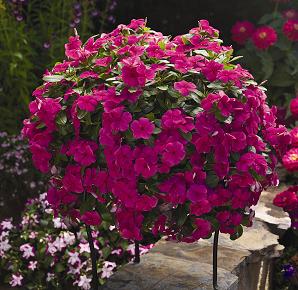
Cora Cascade Violet Vinca is a vigorous trailing annual that produces a continuous display of rich violet-purple flowers cascading gracefully over the edges of containers, hanging baskets, and raised planters. Part of the award-winning Cora Cascade series, this variety combines exceptional heat tolerance with improved resistance to aerial Phytophthora disease, making it one of the most dependable spreading vincas for long-lasting summer color. Its glossy dark green foliage forms a dense carpet beneath the brilliant blooms, creating a beautiful waterfall effect from early summer until frost.
Garden Uses:
Perfect for hanging baskets, patio containers, window boxes, raised planters, retaining walls, combination planters, and sunny landscape beds. Cora Cascade Violet pairs beautifully with white alyssum, silver dichondra, trailing verbena, calibrachoa, sweet potato vine, angelonia, and ornamental grasses. It also serves as an attractive flowering groundcover in warm climates.
Growing Information:
Start seeds indoors 10–12 weeks before the last expected frost. Sow seeds shallowly, cover lightly, and provide darkness during germination while maintaining warm soil temperatures. Transplant outdoors only after all danger of frost has passed and nighttime temperatures remain consistently warm. Plant in full sun with fertile, well-drained soil. Water regularly until plants are established, then allow the soil to dry slightly between waterings. Avoid consistently wet soils for optimum health and flowering.
Pollinator Value:
The vibrant violet flowers attract butterflies and occasional bees throughout the growing season. Their extended bloom period provides a dependable nectar source during the hottest months when many flowering annuals begin to slow down.
Natural Garden Benefits:
Cora Cascade Violet spreads rapidly to cover exposed soil, helping reduce moisture loss and suppress weed growth. Its exceptional heat and drought tolerance make it ideal for water-wise gardens, while its trailing habit softens container edges and retaining walls with months of colorful blooms.
Historical Significance:
Annual vinca (Catharanthus roseus) is native to Madagascar and has become one of the world's premier warm-season bedding plants because of its outstanding tolerance to heat, humidity, and drought. The Cora Cascade series represents an important advancement in breeding, combining improved disease resistance with a naturally spreading, cascading growth habit ideal for containers and landscape use.
Interesting Facts:
Unlike upright vinca varieties, Cora Cascade was specifically developed to spread outward and trail gracefully over the edges of containers. The series has earned widespread recognition for maintaining excellent flowering even during prolonged periods of summer heat and humidity.
Seedman Notes:
Cora Cascade Violet is one of the finest trailing vincas available for hanging baskets and decorative containers. Its brilliant violet flowers, vigorous cascading habit, and excellent disease resistance make it a dependable performer from planting until frost. Give plants plenty of sunshine and good drainage for the most spectacular display.
Quick Facts:
Type: Tender Annual
Botanical Name: Catharanthus roseus
Common Name: Cora Cascade Violet Vinca
Height: 6–10 Inches
Spread: 24–36 Inches
Light: Full Sun
Bloom Time: Early Summer Until Frost
Flower Color: Rich Violet Purple
Soil: Well-Drained
Water: Low to Moderate Once Established
Uses: Hanging Baskets, Containers, Window Boxes, Groundcover, Landscape Beds, Retaining Walls
Attracts: Butterflies & Occasional Bees
Star Ratings:
★★★★★ Heat Tolerance
★★★★★ Trailing Performance
★★★★★ Container Performance
★★★★★ Disease Resistance
★★★★★ Continuous Bloom
★★★★☆ Drought Tolerance Once Established
★★★☆☆ Pollinator Value
★★★★★ Hanging Basket Appeal
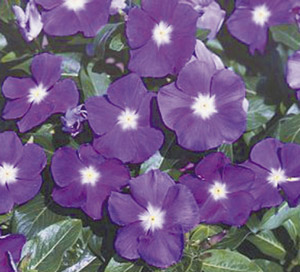
Victory Blue Vinca is a compact, colorful annual that produces bright violet-blue to periwinkle-blue flowers with clean white centers above glossy green foliage. This attractive bedding plant brings a cool, refreshing color to summer gardens while maintaining the toughness and heat tolerance that annual vinca is famous for. Its neat growth habit and steady bloom make it ideal for containers, edging, patio pots, and mass plantings where dependable color is needed from early summer until frost.
Garden Uses:
Excellent for containers, patio pots, edging, borders, window boxes, mass plantings, foundation beds, and sunny landscape displays. Victory Blue Vinca pairs beautifully with white alyssum, silver dusty miller, yellow marigolds, pink vinca, angelonia, salvia, ornamental grasses, and trailing verbena. The cool blue-purple flowers provide excellent contrast with warm-colored annuals.
Growing Information:
Start seeds indoors 10–12 weeks before the last expected frost. Sow shallowly, cover lightly, and provide darkness during germination while keeping the soil warm and evenly moist. Transplant outdoors only after all danger of frost has passed and nighttime temperatures remain consistently warm. Plant in full sun with well-drained soil. Water regularly until established, then allow soil to dry slightly between waterings. Avoid heavy, wet soil, as vinca prefers excellent drainage.
Pollinator Value:
The open flowers may attract butterflies and occasional bees throughout summer. While grown primarily for ornamental color, its long bloom season can provide a modest nectar source during hot weather when fewer bedding plants remain in continuous flower.
Natural Garden Benefits:
Victory Blue Vinca is useful in hot, sunny sites where low-maintenance color is needed. Its dense foliage shades the soil surface, helping reduce moisture loss and keeping containers and bedding areas looking full through summer heat.
Historical Significance:
Annual vinca, also called Madagascar periwinkle, is native to Madagascar and became widely grown around the world for its ability to thrive in heat, humidity, and drought. Blue and violet selections have long been valued for adding cooler tones to hot-season flower beds.
Interesting Facts:
The term “periwinkle” is often used for this flower color as well as for the plant itself. Vinca flowers are naturally self-cleaning, so plants continue blooming neatly without frequent deadheading.
Seedman Notes:
Victory Blue Vinca is a dependable summer annual for gardeners who want cooler color tones in sunny beds and containers. It is especially attractive in patio pots where the glossy foliage and bright-eyed flowers can be appreciated up close. Plant after warm weather arrives and avoid overwatering for best results.
Quick Facts:
Type: Tender Annual
Botanical Name: Catharanthus roseus
Common Name: Victory Blue Vinca, Periwinkle
Height: 10–14 Inches
Spread: 10–14 Inches
Light: Full Sun
Bloom Time: Early Summer Until Frost
Flower Color: Violet-Blue to Periwinkle-Blue with White Eye
Soil: Well-Drained
Water: Low to Moderate Once Established
Uses: Containers, Edging, Borders, Mass Plantings, Patio Pots, Landscape Beds
Attracts: Butterflies & Occasional Bees
Star Ratings:
★★★★★ Heat Tolerance
★★★★★ Container Performance
★★★★★ Continuous Bloom
★★★★★ Low Maintenance
★★★★☆ Drought Tolerance Once Established
★★★☆☆ Pollinator Value
★★★★★ Cool Summer Color
★★☆☆☆ Cut Flower Use

Contact Us | Privacy Policy | About Us
| Returns
Serving gardeners since 1992
State of Mississippi Seedmen's Permit #C-391, Ohio 90152, Minnesota 20086777