
Herbal Tea Plants for the Garden
Sadly, too many gardeners fail to take advantage of the many delightful herbal teas available to them from their own garden. Herbal teas are healthy, refreshing and can be sweetened to taste with honey or dried licorice root.
Brewing herbal teas is very simple. We recommend using the infusing method, that is pouring boiling water over the herbs and allowing them to steep for 3-5 minutes, then straining the tea and serve. Teas can be served cold or hot, according to preference.
Making the perfect tea is a personal preference, we recommend
using the following guidelines starting out:
For one cup of herbal tea, use 3 teaspoons of fresh herbs, or 1
teaspoon of dried herbs. For one gallon, use 6 ounces ( about
2½ cups ) of fresh herbs, or ¾ cups dried herbs. If
using fresh herbs, gently bruise or crush the leaves to help
release flavor and aroma. Never let the herbs set in the tea for
over a day as this may allow tannic acid to release into the tea,
which can be irritating to the stomach.
Be sure to use only herbs that have not been treated with
pesticides.
There are many herbal teas that can be made from exotic herbs, but we have chosen to list the more common herbs that gardeners are apt to raise for other purposes as well as tea.
We offer the following seed packets for growing your own
herbal tea plants:
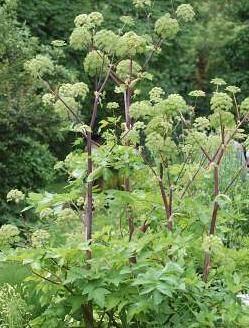
Angelica is a magnificent heirloom herb known for its towering stature, bold architectural form, and long history of culinary and medicinal use. Native to northern Europe and parts of Asia, this impressive biennial herb can reach heights of 4 to 8 feet, producing large umbrella-shaped clusters of greenish-white flowers above handsome, deeply divided foliage.
For centuries, Angelica has been cultivated in monastery gardens, cottage gardens, and herb collections. Its hollow stems, aromatic leaves, seeds, and roots have all been valued for various traditional uses. Today, gardeners grow Angelica both for its historical significance and its dramatic ornamental presence in the landscape.
With its striking appearance and pollinator-friendly flowers, Angelica serves as an outstanding focal point in herb gardens and naturalistic plantings.
Uses- Traditional culinary herb with aromatic stems, seeds, and leaves.
- Popular in historic and monastery herb gardens.
- Excellent specimen plant for cottage gardens and landscape borders.
- Large flower heads attract bees, butterflies, and beneficial insects.
- Adds dramatic height and architectural interest to the garden.
- Frequently used in ornamental and pollinator plantings.
Angelica performs best when grown directly in the garden rather than in containers due to its large mature size and deep root system. Select a location with rich, moisture-retentive soil and ample space for development.
Plants prefer full sun in cooler climates and partial shade in warmer regions. Consistent moisture is important, particularly during periods of active growth. Mulching around the base helps conserve soil moisture and encourages vigorous development.
Because of its impressive height, Angelica is often planted toward the rear of borders where its dramatic flower stalks can create a stunning backdrop.
Germination Instructions- Fresh seed generally germinates most readily.
- Sow seeds on the surface of moist soil and lightly press into place.
- Seeds benefit from a period of cool temperatures.
- Maintain temperatures of 55–65°F (13–18°C).
- Keep soil consistently moist during germination.
- Germination may occur in 14–30 days or longer.
- Transplant carefully to avoid disturbing the taproot.
- Botanical Name: Angelica archangelica
- Common Name: Angelica
- Plant Type: Biennial Herb
- Height: 4–8 feet
- Spread: 2–4 feet
- Sun Exposure: Full Sun to Partial Shade
- Water Requirements: Moderate to High
- Soil: Rich, fertile, moisture-retentive soil
- USDA Zones: 4–9
- Best Location: Garden beds, herb gardens, borders, and pollinator plantings
During its flowering year, Angelica produces spectacular globe-like umbels composed of hundreds of tiny greenish-white flowers. These blooms are highly attractive to pollinators and beneficial insects and create a dramatic visual display that can be seen from a considerable distance.
After flowering and seed production, individual plants often complete their life cycle, though self-sown seedlings frequently establish nearby.
Why Grow Angelica?Few herbs combine history, beauty, and garden presence as effectively as Angelica. Its towering flower stalks, lush foliage, pollinator appeal, and centuries-old heritage make it one of the most impressive herbs a gardener can grow. Whether planted in a traditional herb garden, cottage garden, or wildlife-friendly landscape, Angelica creates a bold statement while connecting the modern garden to centuries of horticultural tradition.
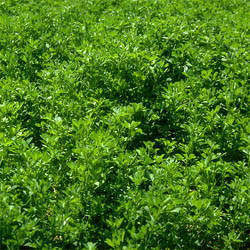
This strain of alfalfa can be made into a tea by placing two teaspoons of dried leaves in a cup of boiling water and soaking for 15 minutes. This tea is used to treat arthritis, boils, digestive disorders, urinary tract infections and bowel disorders. The chlorophyll in this brew will also dispatch of bad breath. Eating the sprouts in salads is also very beneficial.
Parts of plant to use for tea: Leaves and seeds.
Taste: Somewhat of a bland taste, some describe it as the taste
of new mown hay. We recommend mixing with red clover, mints or
lemon verbena and sweetening with honey. Your really should
drink this tea for it's nutritional benefits.
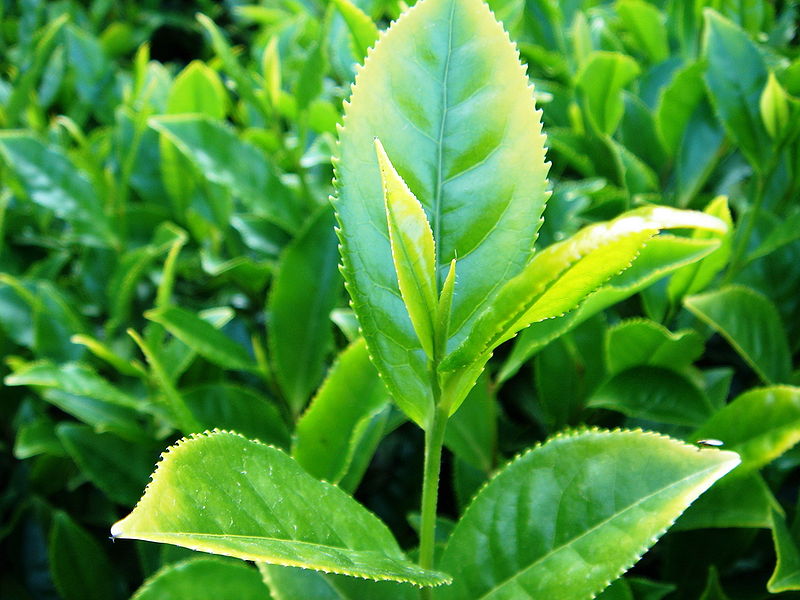

This is the tea produced commercially around the world. The tender, young leaves are used in the process of tea production.
Can be grown in tubs inside, or in cool greenhouses, outdoors in warm climates. Prefers moist, well drained, humus rich, slightly acidic ( 5.5-6.5 )soil. We recommend maintaining a 2-3 inch deep mulch of shredded bark or leaves around base of plant.
Hardy to zone 8, can be grown in zone 7 with protection. To make green tea, pick only the top 3 leaves from new growing tips, spread and dry in the shade for 6-8 hours, then in an open pot, heat ( simmer ) the leaves, stirring frequently for about an hour.
Click here for an informative site on growing and making your own tea. For black tea, you must ferment the leaves. USDA Zones 8 to 11.
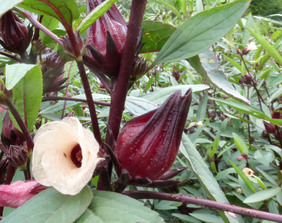
Roselle was called "Florida cranberry" in the 1890s.
In the Caribbean, sorrel drink is made from sepals of the roselle. It is prepared by boiling dried sepals and calyces of the sorrel/flower of the plant in water for 8 to 10 minutes (or until the water turns red), then adding sugar. It is often served chilled. This is done in Trinidad and Tobago, Guyana, Antigua, Barbados, St. Lucia, Dominica, Grenada,and Jamaica where it is called 'sorrel'.
In the UK, the dried calyces and ready-made sorrel syrup are widely and cheaply available in Caribbean and Asian grocers. The fresh calyces are imported mainly during December and January to make Christmas and New Year infusions, which are often made into cocktails with rum.
Rosella flowers are sold as Wild Hibiscus flowers in syrup in Australia as a gourmet product. Recipes include filling them with goats cheese; serving them on baguette slices baked with brie; and placing one plus a little syrup in a champagne flute before adding the champagne, the bubbles cause the flower to open.
In Nigeria, rosella jam has been made since colonial times and is still sold regularly at community fetes and charity stalls. It is similar in flavour to plum jam, although more acidic. It differs from other jams in that the pectin is obtained from boiling the interior buds of the rosella flowers. It is thus possible to make rosella jam with nothing but rosella buds and sugar.
In Burma, the buds of the roselle are made into 'preserved fruits' or jams. Depending on the method and the preference, the seeds are removed or included. The jams, made from roselle buds and sugar, are red and tangy.
In India, Roselle is commonly made into a type of pickle. "Sorrel jelly" is manufactured in Trinidad. The flowers and young leaves are edible and have a citrus tang. Space plants 3-6 ft. apart, the wider the spacing, the more calyxes will ripen.
Frost-tender perennial. Germination: 75-85°F, 7-14 days. Transplant after last frost. Full sun. 36-60 in. tall.
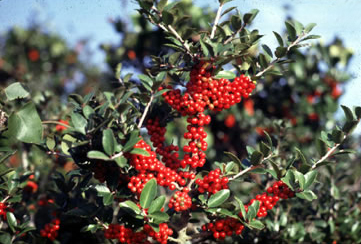
The leaves are small, leathery and bright green and are not prickly like other hollies. The flowers attract bees and butterflies. This holly can rapidly reach 10 to 20 feet tall and 8 to 12 feet wide, so allow proper spacing when planting multiples. It will form thickets unless the suckers are removed.
Though occasionally used for hedging, it is primarily used for landscaping. The wood of the Ilex vomitoria is heavy and hard, making it useful for turnery, inlay work, and other woodenware. The plant is also culturally significant: Native Americans used the leaves and stems to make a tea containing caffeine, a unique quality in a North American plant. Rediscovered in modern times, yaupon tea made from dried leaves is now commercially available. Add this picturesque and useful plant to your garden today!
Grow as a container plant or outside in zones 7-9.
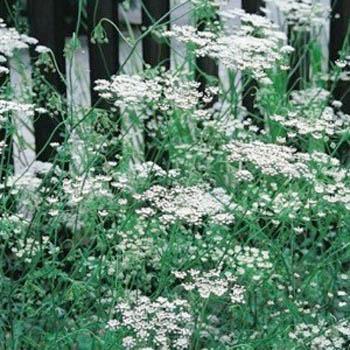
Anise is a fragrant annual herb prized for its sweet licorice-like flavor, delicate ferny foliage, and clusters of attractive white flowers. For centuries, Anise has been cultivated throughout Europe, Asia, and the Mediterranean region as a culinary herb, medicinal plant, pollinator attractor, and ornamental garden favorite.
The aromatic seeds are the most famous part of the plant, widely used to flavor breads, cookies, cakes, candies, teas, liqueurs, and traditional recipes from around the world. The pleasant licorice flavor makes Anise a favorite ingredient for home bakers, herbalists, and culinary enthusiasts alike.
In the garden, Anise serves many purposes beyond the kitchen. The delicate white flower umbels attract a wide variety of beneficial insects, including bees, butterflies, hoverflies, and parasitic wasps that help support a healthy garden ecosystem. As a result, Anise is often grown as a companion plant near vegetables, herbs, and fruit crops.
The attractive foliage and airy flowers also make Anise an excellent addition to herb gardens, cottage gardens, pollinator gardens, and ornamental borders. Plants perform well in containers, raised beds, and traditional garden plots.
Uses and Benefits:- Produces highly aromatic seeds with a sweet licorice flavor.
- Popular for breads, cookies, cakes, candies, and pastries.
- Excellent ingredient for herbal teas and traditional beverages.
- Widely used in flavoring liqueurs and specialty drinks.
- Attracts bees, butterflies, and beneficial insects.
- Useful companion plant in vegetable and herb gardens.
- Provides nectar for pollinators throughout the growing season.
- Beautiful fern-like foliage adds ornamental value.
- Excellent for herb gardens, cottage gardens, and containers.
- Historically grown for culinary, aromatic, and traditional herbal uses.
- Easy to grow from seed and rewarding for beginning gardeners.
Anise is grown as an annual in all USDA Zones. Plants complete their life cycle in a single growing season and produce abundant seed before frost.
Germination Instructions:- Sow seeds directly outdoors after danger of frost has passed.
- Anise develops a taproot and generally performs best when direct sown.
- Plant seeds 1/4 inch deep in well-drained soil.
- Maintain soil temperatures between 65-75°F (18-24°C).
- Keep soil evenly moist during germination.
- Seeds typically germinate in 10-21 days.
- Thin seedlings to allow good air circulation and growth.
- Plant in full sun for best growth and seed production.
- Prefers fertile, well-drained soil.
- Water regularly during dry periods.
- Allow flower heads to mature if harvesting seed.
- Excellent companion plant for attracting beneficial insects.
- Harvest seeds when they turn gray-brown and fully mature.
Combining culinary value, pollinator appeal, companion planting benefits, fragrant foliage, and ornamental beauty, Anise remains one of the most useful and rewarding herbs for the home garden. Whether grown for its flavorful seeds, beneficial insect attraction, or graceful appearance, this classic herb deserves a place in every herb garden.
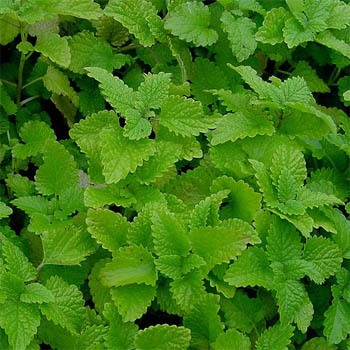
For centuries, Lemon Balm has been cultivated in monastery gardens, cottage gardens, and medicinal herb gardens throughout Europe and beyond. Its cheerful appearance, pleasant fragrance, and ease of cultivation have earned it a place among the most widely grown herbal plants.
The aromatic leaves are commonly used fresh or dried in herbal teas, fruit drinks, lemonades, desserts, jellies, salads, and potpourris. The pleasant lemon flavor blends beautifully with mint, chamomile, lavender, and other herbs, making Lemon Balm one of the most useful plants for homemade tea blends.
During summer, plants produce clusters of small white flowers that are highly attractive to bees and beneficial insects. In fact, the botanical name Melissa is derived from the Greek word for honeybee, reflecting the plant's long-standing reputation as an excellent bee plant.
Uses and Benefits- Fresh lemon fragrance and flavor.
- One of the finest herbs for teas and tea blends.
- Excellent in lemonades, desserts, and fruit dishes.
- Traditional medicinal herb with centuries of use.
- Outstanding pollinator and bee plant.
- Attracts butterflies and beneficial insects.
- Beautiful addition to herb gardens.
- Excellent for potpourri and sachets.
- Suitable for edible landscapes.
- Easy to grow and highly productive.
- Excellent container herb.
- Returns year after year as a hardy perennial.
Lemon Balm is a hardy perennial in USDA Zones 4-9.
Germination Instructions- Start seeds indoors 6-8 weeks before the last frost or sow outdoors after danger of frost has passed.
- Press seeds lightly onto the soil surface.
- Do not cover deeply, as light aids germination.
- Maintain temperatures between 65-75°F (18-24°C).
- Keep soil evenly moist during germination.
- Seeds typically germinate in 10-21 days.
- Provide bright light after seedlings emerge.
- Plant in full sun to partial shade.
- Prefers fertile, well-drained soil.
- Harvest foliage frequently for best flavor.
- Cut plants back periodically to encourage fresh growth.
- Allow some flowers to bloom for pollinators.
- Excellent for herb gardens, tea gardens, and pollinator plantings.
- May self-sow in favorable conditions.
Lemon Balm is exceptionally well suited for container culture and is often easier to manage in pots than in garden beds. Use a container at least 10-12 inches deep with good drainage. Regular harvesting encourages dense, bushy growth and provides a continual supply of fragrant leaves throughout the growing season.
Combining delightful fragrance, culinary versatility, traditional herbal value, and outstanding pollinator appeal, Lemon Balm is one of the most rewarding herbs a gardener can grow. Whether planted for tea, bees, butterflies, potpourri, or simply its refreshing citrus scent, this easy-care perennial brings beauty and usefulness to every garden.
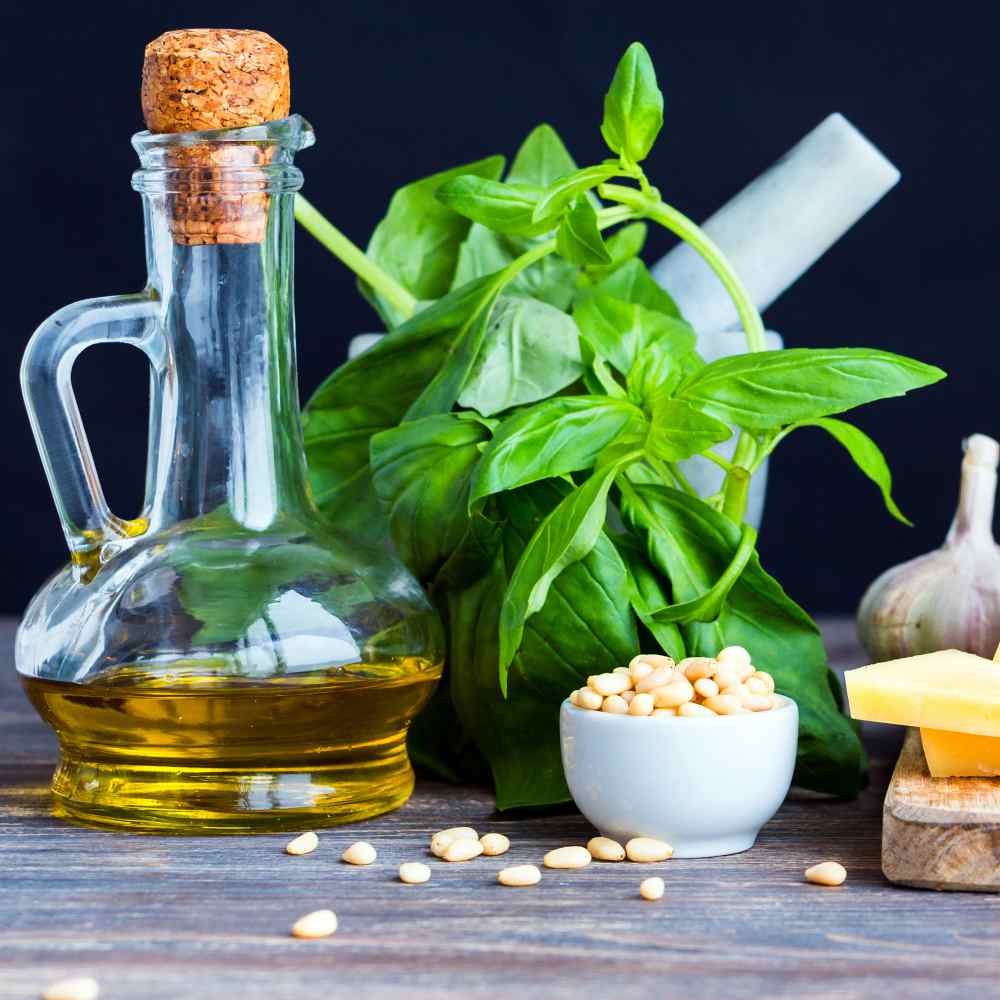
This Basil grows 18 to 24 inches high and 12 to 15 inches wide. The dark green, shiny leaves grow up to 3 inches long. Pick the extra large leaves and use them fresh or dried in tomato dishes, pasta sauces, vegetables and soups. Basil is at its most flavorful when fresh. The best time to harvest is just as the plant starts to set flower buds, well before flowers bloom. Harvest leaves continually to encourage new growth. Pinch out growing tips to encourage bushier plants and to delay flowering.
Adds zest to everything. Very fragrant flowers and leaves. Good potpourri addition.
Parts of plant to use for tea: Leaves
Taste: Unique, spicy clove-like flavor.
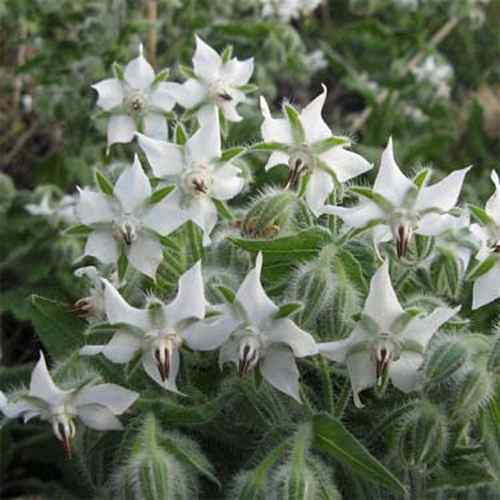
Borage is one of the most useful and beautiful herbs a gardener can grow. Its striking star-shaped blue flowers, fuzzy silver-green foliage, and exceptional pollinator value have made it a favorite in cottage gardens, herb gardens, vegetable plots, and pollinator habitats for centuries.
The brilliant blue blossoms appear continuously throughout the growing season, creating a dazzling display that attracts bees, butterflies, hummingbirds, and countless beneficial insects. In fact, Borage is widely considered one of the very best plants for supporting honeybees and other pollinators, making it a valuable addition to any garden focused on biodiversity and wildlife.
Borage is also highly regarded as a companion plant. Gardeners often grow it near tomatoes, squash, cucumbers, strawberries, and other vegetables to attract pollinators and beneficial insects that help create a healthy garden ecosystem. The large plants produce abundant nectar and flowers over a long season, drawing pollinators into the garden when they are needed most.
The edible flowers have a mild cucumber-like flavor and are often used to garnish salads, desserts, beverages, and summer drinks. The young leaves have also been used traditionally as a culinary herb. The vibrant blue flowers make stunning additions to fresh-cut arrangements and edible landscapes.
Uses and Benefits- Produces beautiful star-shaped blue flowers.
- One of the best plants for attracting honeybees.
- Excellent nectar source for bees, butterflies, and beneficial insects.
- Outstanding companion plant for vegetable gardens.
- Attracts pollinators to tomatoes, squash, cucumbers, and strawberries.
- Edible flowers with a mild cucumber-like flavor.
- Popular garnish for salads, desserts, and beverages.
- Excellent addition to herb gardens and edible landscapes.
- Makes attractive fresh-cut flowers.
- Suitable for pollinator gardens and wildlife habitats.
- Easy to grow and quick to flower from seed.
- Often self-sows, providing years of garden enjoyment.
Borage is grown as an annual in all USDA Zones, completing its life cycle in a single growing season.
Germination Instructions- Sow seeds directly outdoors after danger of frost has passed.
- Plant seeds 1/4 to 1/2 inch deep.
- Keep soil evenly moist during germination.
- Maintain temperatures between 60-75°F (16-24°C).
- Seeds typically germinate in 7-14 days.
- Thin seedlings to allow adequate spacing and airflow.
- Borage develops a taproot and generally performs best when direct sown.
- Plant in full sun to partial shade.
- Prefers average, well-drained soil.
- Water during prolonged dry periods.
- Flowers continuously throughout summer.
- Excellent for containers, raised beds, and garden borders.
- Allow some flowers to set seed if natural reseeding is desired.
Combining ornamental beauty, edible flowers, pollinator attraction, companion planting benefits, and ease of cultivation, Borage is truly one of the most versatile and rewarding plants in the garden. Whether grown for bees, butterflies, fresh flowers, culinary uses, or simply its unforgettable blue blossoms, Borage earns its place in every gardener's collection.
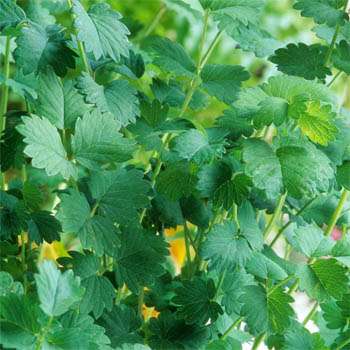
Salad Burnet is a charming perennial herb prized for its attractive fern-like foliage, refreshing cucumber-flavored leaves, and exceptional versatility in the garden. Forming neat mounds of finely divided green foliage, this easy-to-grow herb provides beauty, flavor, and usefulness from spring through fall.
The young leaves have a crisp, mild flavor reminiscent of fresh cucumbers and have been enjoyed for centuries in salads, sandwiches, soups, herb butters, vinegars, and refreshing beverages. Unlike many herbs, Salad Burnet remains tender and flavorful throughout much of the growing season, making it a valuable addition to kitchen gardens and edible landscapes.
During summer, delicate burgundy flower heads are held on slender stems above the foliage, creating an airy, ornamental effect that adds texture and movement to garden beds and containers. The flowers also attract bees and other beneficial pollinators, making Salad Burnet a useful addition to wildlife-friendly gardens.
Its tidy growth habit and attractive foliage make it equally valuable as an ornamental plant. Salad Burnet performs beautifully in herb gardens, cottage gardens, rock gardens, borders, raised beds, and decorative containers where its finely textured leaves provide contrast to broader-leaved plants.
Uses and Benefits- Fresh leaves provide a mild cucumber-like flavor.
- Excellent for salads, sandwiches, soups, and herb blends.
- Traditionally used in flavored vinegars and beverages.
- Attractive fern-like foliage provides season-long interest.
- Useful ornamental herb for borders and containers.
- Pollinator-friendly flowers attract bees and beneficial insects.
- Excellent companion plant for herb and vegetable gardens.
- Drought tolerant once established.
- Suitable for cottage gardens and edible landscapes.
- Easy to grow and long-lived.
- Excellent choice for container gardening.
- Provides fresh harvests throughout the growing season.
Salad Burnet is a hardy perennial in USDA Zones 4-8, returning reliably each year in suitable climates.
Germination Instructions- Sow seeds outdoors in spring after danger of severe frost has passed, or start indoors 6-8 weeks before planting out.
- Plant seeds approximately 1/4 inch deep.
- Maintain temperatures between 60-70°F (16-21°C).
- Keep soil evenly moist during germination.
- Seeds typically germinate in 10-21 days.
- Thin seedlings to allow good airflow and development.
- Transplant carefully to avoid disturbing roots.
- Plant in full sun to partial shade.
- Prefers well-drained soil but adapts to many conditions.
- Harvest young leaves regularly for best flavor.
- Remove flower stems if maximum leaf production is desired.
- Water during extended dry periods.
- Excellent for containers, herb gardens, and edible landscapes.
Combining ornamental beauty, culinary usefulness, pollinator value, and easy maintenance, Salad Burnet is one of the most rewarding herbs for gardeners seeking both beauty and function. Its fresh cucumber flavor and attractive fern-like foliage make it a standout addition to herb gardens, containers, and edible landscapes alike.
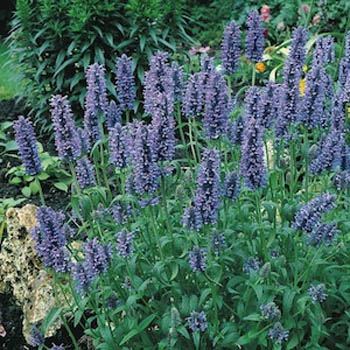
Parts of plant to use for tea: Leaves
Taste: An aromatic tea with a minty flavor.
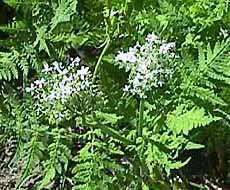
Parts of plant to use for tea: Leaves
Taste: Has a sweet, anise flavor.

Parts of plant to use for tea: Flowers ( Dried )
Taste: Clover has a sweet, delicate flavor. Excellent with a few drops of honey.
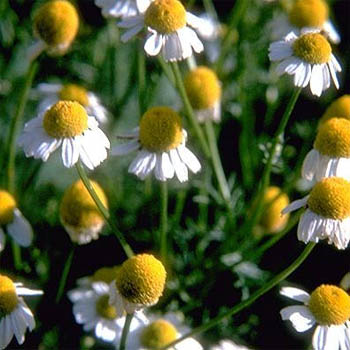
Chia is an attractive, fast-growing member of the sage family that combines ornamental beauty, pollinator value, and highly nutritious seeds in a single easy-to-grow plant. Native to Central America, Chia produces lush green foliage and striking spikes of lavender-blue flowers that make it a beautiful addition to herb gardens, pollinator plantings, edible landscapes, and decorative containers.
Today, Chia is best known for its nutrient-rich seeds, which have become one of the world's most popular health foods. The tiny seeds are valued for their fiber, protein, omega-3 fatty acids, antioxidants, and minerals. They are commonly added to smoothies, cereals, yogurt, baked goods, puddings, and a wide variety of healthy recipes.
Beyond its edible harvest, Chia is a remarkably attractive garden plant. The nectar-rich flower spikes attract bees, butterflies, hummingbirds, and other beneficial pollinators throughout the blooming season. The tall spikes of lavender-blue flowers add dramatic vertical interest to borders, herb gardens, and container displays.
As a member of the Salvia family, Chia also serves as an excellent companion plant, helping attract pollinators and beneficial insects to vegetable and herb gardens. The long blooming season makes it a valuable addition to wildlife-friendly landscapes.
Uses and Benefits- Produces highly nutritious edible seeds.
- Rich source of fiber, protein, and omega-3 fatty acids.
- Beautiful lavender-blue flower spikes.
- Excellent pollinator plant for bees and butterflies.
- Attracts hummingbirds and beneficial insects.
- Useful companion plant in vegetable gardens.
- Excellent for edible landscapes.
- Attractive ornamental herb.
- Suitable for containers and patio gardens.
- Heat tolerant and easy to grow.
- Excellent addition to herb and pollinator gardens.
- Provides both ornamental and edible value.
Chia is typically grown as an annual in all USDA Zones. In frost-free climates it may persist longer, but most gardeners grow it as a seasonal crop.
Germination Instructions- Sow seeds indoors 4-6 weeks before the last frost or directly outdoors after danger of frost has passed.
- Press seeds lightly into the soil surface.
- Cover very lightly or leave exposed.
- Maintain temperatures between 70-80°F (21-27°C).
- Keep soil evenly moist during germination.
- Seeds typically germinate in 7-14 days.
- Provide bright light after germination.
- Plant in full sun for best flowering and seed production.
- Prefers fertile, well-drained soil.
- Water regularly during establishment.
- Tolerates periods of drought once established.
- Excellent for containers, raised beds, and herb gardens.
- Allow flower spikes to mature fully if harvesting seed.
Combining striking blue flowers, exceptional pollinator appeal, and one of nature's most nutritious seeds, Chia is both a beautiful ornamental plant and a productive edible crop. Whether grown for its seeds, wildlife value, or garden beauty, Chia is a rewarding addition to almost any sunny garden.
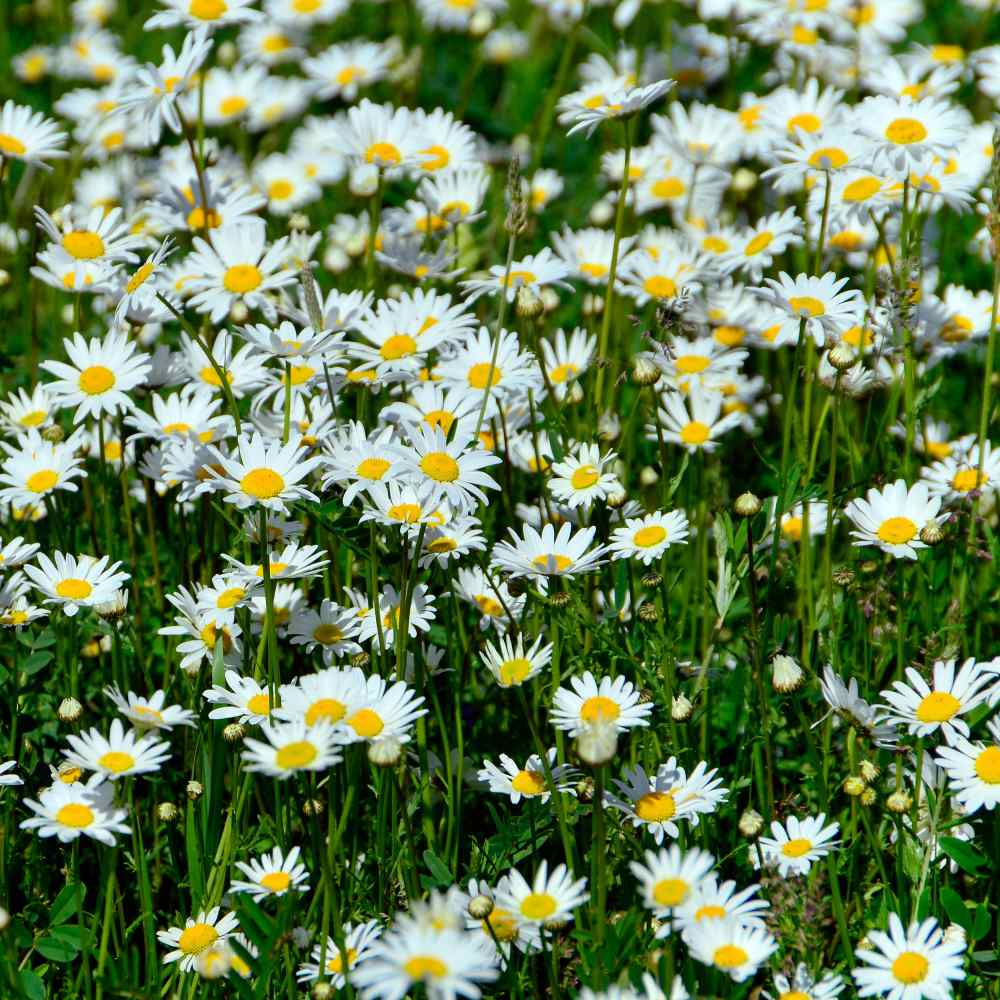
Roman Chamomile is a fragrant, low-growing perennial herb prized for its sweet apple-scented foliage, charming daisy-like flowers, and centuries of use in herbal gardens. Unlike German Chamomile, which is grown as an annual, Roman Chamomile forms a spreading perennial mat of finely textured evergreen foliage that returns year after year, making it both a beautiful ornamental plant and a valuable herb.
Throughout summer, the plants produce masses of cheerful white flowers with golden centers that float above the fragrant foliage. The blossoms attract bees, butterflies, and other beneficial pollinators while adding a delicate charm to borders, herb gardens, pathways, rock gardens, and containers.
Roman Chamomile has long been cultivated as a tea herb, with the flowers harvested for soothing herbal infusions. The fragrant blooms are also used in potpourris, sachets, floral crafts, and traditional herbal preparations. When brushed or walked upon, the foliage releases a pleasant apple-like fragrance that has made Roman Chamomile a favorite for centuries.
Because of its low-growing habit, Roman Chamomile is often used as a groundcover, edging plant, or even as a fragrant lawn substitute in suitable climates. It is equally at home in cottage gardens, pollinator gardens, and decorative patio containers.
Uses and Benefits- Produces fragrant white daisy-like flowers.
- Sweet apple-scented foliage.
- Traditional herb for herbal tea blends.
- Excellent pollinator plant for bees and butterflies.
- Long-lived perennial herb.
- Useful as a groundcover or edging plant.
- Suitable for fragrant lawns and pathways.
- Excellent container and patio plant.
- Flowers may be harvested fresh or dried.
- Popular for potpourris and sachets.
- Beautiful addition to herb and cottage gardens.
- Low maintenance and easy to grow.
Roman Chamomile is a hardy perennial in USDA Zones 4-9.
Germination Instructions- Start seeds indoors 6-8 weeks before the last frost or sow outdoors after danger of frost has passed.
- Press seeds lightly onto the soil surface.
- Do not cover deeply, as light aids germination.
- Maintain temperatures between 60-70°F (16-21°C).
- Keep soil evenly moist during germination.
- Seeds typically germinate in 10-21 days.
- Provide bright light after seedlings emerge.
- Plant in full sun to partial shade.
- Prefers well-drained soil.
- Tolerates poor soils once established.
- Water during prolonged dry periods.
- Harvest flowers regularly for teas and drying.
- Trim lightly after flowering to maintain a compact appearance.
Combining fragrant foliage, charming flowers, pollinator appeal, and traditional herbal uses, Roman Chamomile remains one of the most versatile and beloved herbs for the home garden. Whether grown for tea, fragrance, groundcover, or ornamental beauty, this classic perennial herb provides years of enjoyment with very little maintenance.
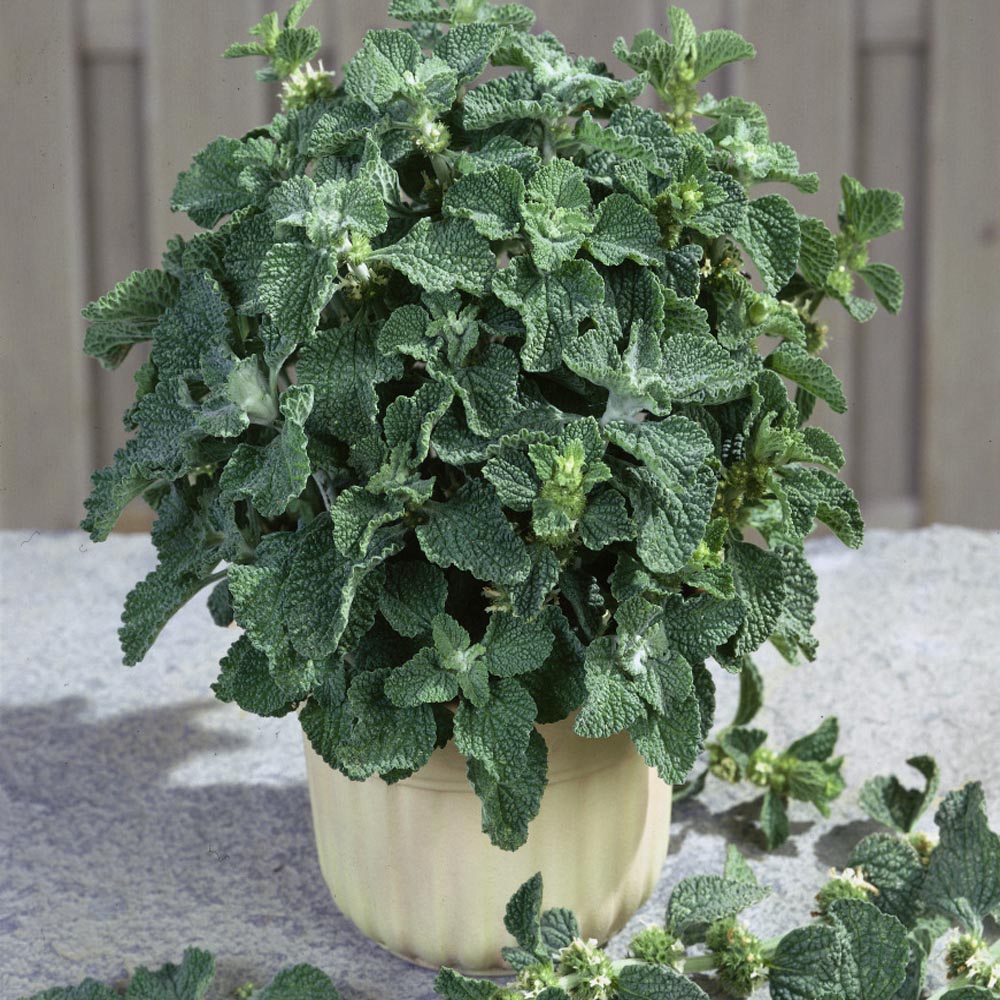
The plants form attractive mounds of soft gray-green foliage covered with a fine silvery texture that gives them an ornamental appearance even when not in bloom. During summer, clusters of small white flowers appear along the stems, attracting bees, butterflies, and numerous beneficial insects.
Horehound is perhaps best known as the traditional ingredient in old-fashioned horehound candies, cough drops, syrups, herbal teas, and lozenges. The leaves possess a distinctive bittersweet flavor that has been appreciated for generations. Many gardeners grow Horehound specifically to make homemade herbal teas and traditional confectionery treats.
In addition to its herbal significance, Horehound is an excellent drought-tolerant garden plant. Once established, it thrives in poor soils, dry conditions, and challenging garden locations where many other herbs struggle. Its long blooming period and pollinator value make it a valuable addition to wildlife-friendly landscapes.
Uses and Benefits- Traditional medicinal herb with centuries of history.
- Classic ingredient in horehound candies and lozenges.
- Popular for herbal teas and syrups.
- Produces attractive silvery-gray foliage.
- Excellent pollinator plant for bees and butterflies.
- Drought tolerant once established.
- Suitable for xeriscape and low-water gardens.
- Useful in herb gardens and cottage gardens.
- Attracts beneficial insects.
- Excellent addition to homestead gardens.
- Low maintenance and easy to grow.
- Returns year after year as a hardy perennial.
Horehound is a hardy perennial in USDA Zones 4-9. Germination Instructions
- Start seeds indoors 6-8 weeks before the last frost or sow outdoors after danger of frost has passed.
- Press seeds lightly into the soil surface.
- Cover very lightly with fine soil.
- Maintain temperatures between 65-75°F (18-24°C).
- Keep soil evenly moist during germination.
- Seeds typically germinate in 10-21 days.
- Provide bright light after seedlings emerge.
- Plant in full sun for best growth.
- Prefers well-drained soil.
- Tolerates poor soils and drought conditions.
- Avoid excessive fertilization.
- Harvest leaves before flowering for strongest flavor.
- Excellent for herb gardens, pollinator gardens, and medicinal plantings.
- Cut back lightly after flowering to maintain a tidy appearance.
Horehound performs well in containers and patio planters, especially where good drainage can be maintained. Its compact habit, drought tolerance, and attractive silvery foliage make it an excellent choice for herb containers and water-wise plantings.
Combining traditional herbal value, drought tolerance, pollinator appeal, and attractive silver-green foliage, Horehound is one of the most useful and historically significant herbs a gardener can grow. Whether planted for herbal teas, old-fashioned candies, pollinator support, or simply its rugged beauty, Horehound remains a rewarding addition to the garden.


Lavender herb plants are prized worldwide for the gentle and soothing therapeutic properties. Lavandula Angustifolia Vera is one of the richest in essential oils, meaning more fragrance power both fresh and dried. Fresh Lavender flowers can be crystalized and used in candies and cakes; dried flowers are used in potpourris and sachets; oils are used in creams and perfumes. And these are only some of the more common uses - imagination can create endless more!
Parts of plant to use for tea: Flowers
Taste: Sweet, very aromatic.
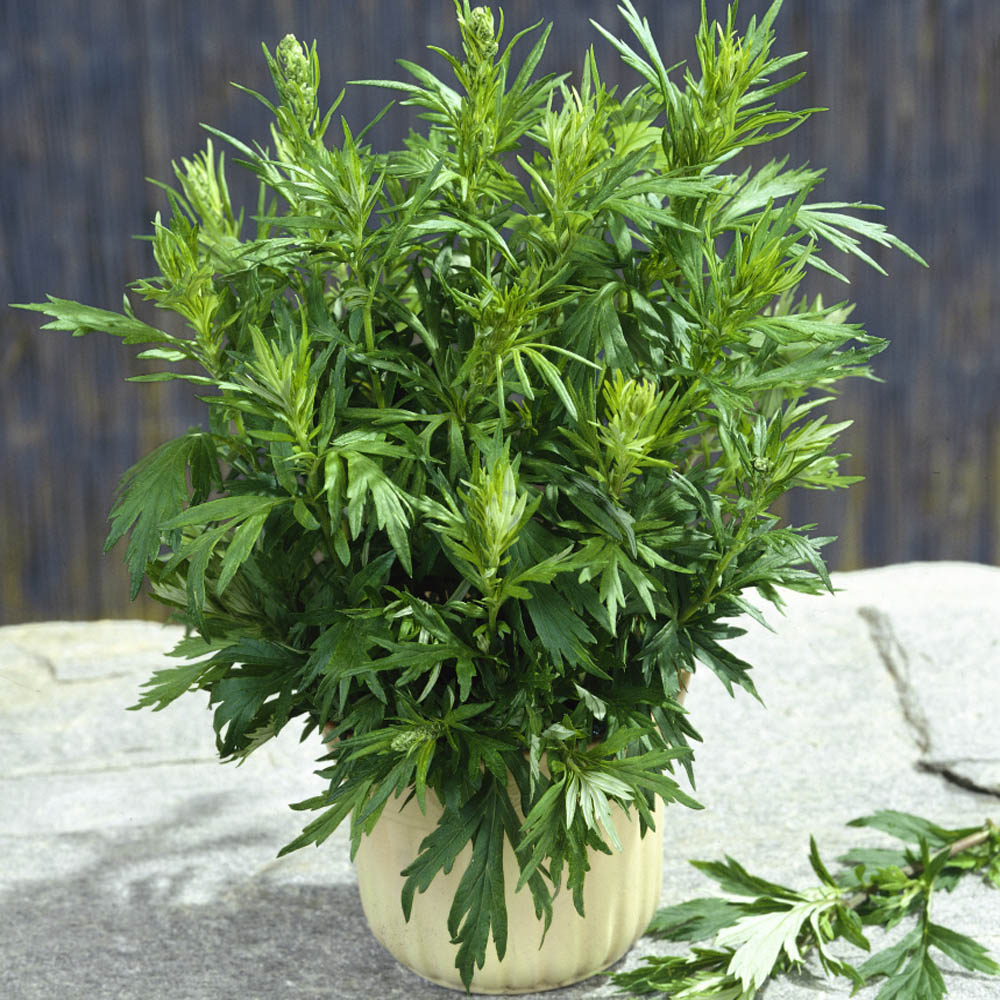
Parts of plant to use for tea: Flowers and Leaves
Taste: Very refreshing, tangy taste.
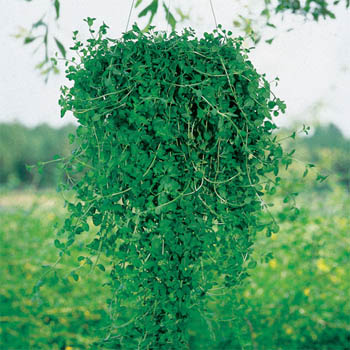
& Parts of plant to use for tea: Tops and leaves before flowering.
Taste: Strong sweet, minty flavor. Very aromatic.
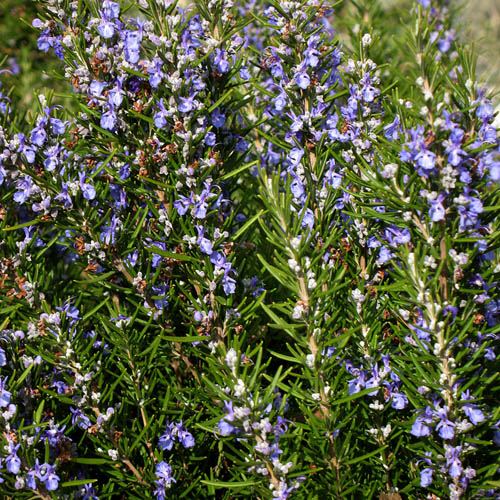
Rosemary is a classic Mediterranean herb prized for its fragrant, needle-like leaves and rich, savory flavor. This attractive evergreen herb is excellent for seasoning poultry, meats, roasted vegetables, breads, soups, and herbal blends. Its upright, woody growth also makes it a beautiful container plant for patios, porches, herb gardens, and sunny windowsills.
Rosemary grows best in full sun and well-drained soil. Once established, plants are drought tolerant and prefer slightly dry conditions rather than wet soil. In warm climates, rosemary can be grown outdoors year-round, while gardeners in colder areas often grow it in containers and bring it indoors during winter.
Small blue to lavender flowers may appear on mature plants, attracting bees and other beneficial pollinators. With its evergreen foliage, pleasant fragrance, and culinary value, rosemary is one of the most useful and rewarding herbs to grow.
Hardiness Zones:Rosemary is generally hardy in USDA Zones 8-11. In colder zones, grow as an annual or in a container that can be moved indoors before freezing weather.
Germination Instructions:- Start seeds indoors 8-10 weeks before the last expected frost.
- Sow seeds lightly on the surface or cover very thinly with seed-starting mix.
- Keep soil warm, around 70-75°F, and lightly moist but never soggy.
- Germination is naturally slow and uneven, often taking 14-28 days or longer.
- Provide bright light once seedlings emerge.
- Transplant outdoors after all danger of frost has passed and plants are well established.
- Plant in full sun for best flavor and growth.
- Use well-drained soil or a container mix with good drainage.
- Avoid overwatering; rosemary dislikes wet roots.
- Trim regularly to encourage bushy growth.
- Harvest sprigs as needed for fresh use, or dry leaves for later use.
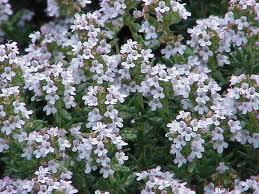
English Thyme is one of the most versatile and beloved culinary herbs in the world. This hardy perennial forms a dense mound of tiny aromatic leaves that provide exceptional flavor for soups, stews, poultry, vegetables, sauces, and countless traditional recipes. Its compact habit and attractive evergreen foliage also make it a beautiful addition to containers, herb gardens, borders, and rock gardens.
Beyond its culinary value, English Thyme is highly prized for its role in supporting pollinators. During summer, plants become covered with masses of delicate pink to lavender flowers that attract bees, butterflies, and other beneficial insects. The nectar-rich blooms provide an important food source while adding color and charm to the garden.
English Thyme is also valued as a companion plant in vegetable and herb gardens. Its fragrant foliage is traditionally planted near crops to help attract pollinators and beneficial insects while contributing to a healthy and diverse garden environment. The low-growing habit makes it an excellent choice for edging garden beds, pathways, and raised vegetable gardens.
Drought tolerant once established and exceptionally easy to grow, English Thyme thrives in containers and sunny locations where its fragrance can be enjoyed throughout the growing season.
Hardiness Zones:English Thyme is a perennial in USDA Zones 5-9, returning year after year with minimal care.
Germination Instructions:- Start seeds indoors 6-8 weeks before the last expected frost or sow outdoors after danger of frost has passed.
- Sow seeds on the surface of the soil and press lightly into place.
- Do not cover deeply, as light aids germination.
- Maintain temperatures between 65-75°F (18-24°C).
- Keep the growing medium lightly moist.
- Seeds typically germinate in 14-28 days.
- Provide bright light after germination.
- Transplant outdoors once seedlings are well established.
- Plant in full sun for maximum flavor and flowering.
- Prefers well-drained soil and tolerates poor, rocky conditions.
- Excellent for containers, herb gardens, borders, and rock gardens.
- Drought tolerant once established.
- Harvest regularly to encourage dense, bushy growth.
- Flowers attract bees, butterflies, and other beneficial pollinators.
- Useful companion plant for vegetable and herb gardens.
Combining culinary excellence, ornamental beauty, pollinator value, and companion planting benefits, English Thyme is one of the most rewarding herbs for both beginning and experienced gardeners.

Contact Us | Privacy Policy | About Us
| Returns
Serving gardeners since 1992
State of Mississippi Seedmen's Permit #C-391, Ohio 90152, Minnesota 20086777