
Seeds for Fruit, Nut and Spice Plants
Check out our Papaya Seed Page for
Papaya ( carica ) varieties from around the world
Check out our
Complete Fruit and Nut Plant Growing Guide
Arctic Kiwi, also known as Siberian Gooseberry, is one of the most cold-hardy fruiting vines available, producing abundant crops of smooth-skinned, grape-sized kiwi fruits that can be eaten whole without peeling. Native to northern regions of Asia, this vigorous climbing vine combines ornamental beauty with delicious fruit, making it an excellent addition to home gardens, edible landscapes, trellises, fences, and arbors. Unlike the fuzzy supermarket kiwis, Arctic Kiwi fruits have smooth, tender skin and a sweet, tropical flavor often described as a blend of kiwi, pineapple, melon, and strawberry. The vines produce fragrant white flowers in spring, followed by clusters of green fruits that ripen in late summer or early fall. Mature plants can become highly productive, yielding impressive harvests year after year. In addition to its fruiting qualities, Arctic Kiwi is an attractive landscape plant. The lush green foliage quickly covers trellises and structures, creating a beautiful living screen while providing shade and visual interest throughout the growing season. Arctic Kiwi seeds benefit from cold stratification to improve germination rates. Arctic Kiwi vines require sturdy support such as a trellis, fence, arbor, or pergola. Most seedlings will be either male or female plants, and both sexes are generally needed for fruit production. Once established, vines are long-lived and can provide decades of harvests with proper care. Arctic Kiwi (Actinidia arguta) offers gardeners the rare combination of ornamental beauty, extreme cold hardiness, and delicious tropical-tasting fruit. Whether grown on an arbor, fence, or trellis, this remarkable vine rewards growers with abundant harvests and years of landscape enjoyment. Kiwi Fruit is one of the world's most popular exotic fruits, prized for its sweet-tart flavor, vibrant emerald-green flesh, and exceptional nutritional value. Native to China and later popularized in New Zealand, this vigorous climbing vine produces the familiar fuzzy brown fruits found in grocery stores worldwide. With proper support and care, kiwi vines can become long-lived, highly productive plants that provide abundant harvests for decades. In spring, kiwi vines are adorned with fragrant creamy-white flowers that attract pollinators and add ornamental beauty to the landscape. By late summer and autumn, clusters of delicious fruits develop, packed with vitamin C, antioxidants, potassium, and dietary fiber. The unique tropical flavor is often described as a blend of strawberry, melon, banana, and citrus. Kiwi vines are excellent choices for arbors, pergolas, fences, trellises, and edible landscapes. Their large, lush leaves create dense shade during the growing season while producing impressive crops of nutritious fruit. Kiwi vines require sturdy support structures such as trellises, pergolas, or arbors. Plants are generally dioecious, meaning separate male and female plants are needed for reliable fruit production. Seed-grown plants will produce a mix of male and female vines, making multiple seedlings desirable. Kiwi fruit is considered a nutritional powerhouse, containing more vitamin C per serving than many citrus fruits. It is also rich in potassium, vitamin E, vitamin K, folate, antioxidants, and dietary fiber. Regular consumption is often associated with digestive health, immune support, and overall wellness. Kiwi Fruit (Actinidia chinensis) combines ornamental beauty, vigorous growth, and delicious nutrient-rich fruit into one remarkable plant. Whether grown for its attractive foliage, fragrant flowers, or abundant harvests, this classic fruiting vine remains a favorite among gardeners and fruit enthusiasts worldwide. Please note: seed-grown kiwis will produce both male and female plants and that several plants should be grown to ensure future pollination and fruit production.
Chocolate Vine is an unusual and highly ornamental fruiting vine native to East Asia, prized for its fragrant spring flowers, vigorous climbing habit, and fascinating edible fruits. A close relative of the more commonly known Five-Leaf Akebia, Akebia trifoliata produces attractive three-lobed leaves, clusters of chocolate-purple flowers, and large sausage-shaped fruits that split open when ripe to reveal sweet, translucent pulp surrounding numerous seeds. The flowers emit a subtle fragrance often compared to chocolate or vanilla, giving rise to the common name "Chocolate Vine." In addition to its ornamental appeal, the plant has long been cultivated in Asia for both its edible fruits and decorative value. Its rapid growth makes it ideal for covering fences, trellises, pergolas, arbors, and other garden structures. As summer progresses, pollinated flowers develop into striking lavender-purple fruits that can reach several inches in length. When fully ripe, the fruits naturally split open to reveal a soft, jelly-like pulp with a mildly sweet flavor. The unusual appearance and tropical look of the fruits make Chocolate Vine a favorite among collectors of rare and exotic edible plants. Chocolate Vine is adaptable to a wide range of garden conditions and is generally easy to grow once established. Provide sturdy support for climbing and occasional pruning to maintain shape and control vigorous growth. Young plants can be grown successfully in large containers and trained onto decorative trellises. Use a rich, well-drained potting mix and provide a support structure. Long-term container culture is possible, although plants perform best when eventually planted in the ground where roots have room to expand. Fruit production is often improved when multiple plants are grown together, as cross-pollination can increase fruit set. Seed-grown plants may vary somewhat in vigor, fruit size, and fruit quality. Because Chocolate Vine is primarily grown as both an ornamental and edible landscape plant, gardeners often find it rewarding even before it begins producing fruit. Chocolate Vine (Akebia trifoliata) combines fragrant flowers, lush foliage, unusual fruits, and vigorous growth into one remarkable plant. Whether grown for its edible harvests or its ornamental beauty, this rare vine is certain to become one of the most interesting features in the garden. Juneberry, also known as Saskatoon Serviceberry, is one of North America's finest native fruiting shrubs. Valued for its beautiful spring flowers, delicious blueberry-like fruits, brilliant fall color, and exceptional hardiness, this versatile plant provides year-round interest while producing abundant harvests of sweet, nutritious berries. In early spring, before many other plants awaken, Serviceberry bursts into bloom with clouds of elegant white flowers that attract bees and other beneficial pollinators. By early summer, clusters of round berries ripen from red to deep purple-blue, offering a rich, sweet flavor often described as a blend of blueberry, cherry, and almond. The fruits have long been prized by Native Americans and early settlers and remain popular today for fresh eating, baking, preserves, wines, and dried fruit. Birds also love the berries, making Serviceberry an excellent choice for wildlife-friendly landscapes. Unlike many fruit crops, Juneberry is exceptionally cold hardy, easy to grow, and adaptable to a wide range of soil conditions. Its attractive growth habit and multi-season beauty make it equally valuable as an ornamental landscape plant and productive fruiting shrub. Juneberry thrives in sunny locations and develops the best fruit production when planted in full sun. Once established, plants are remarkably cold hardy and moderately drought tolerant. Minimal pruning is required beyond occasional thinning of older stems. Young Serviceberry plants can be grown in large containers for several years. Use a high-quality potting mix and provide consistent moisture. For long-term fruit production and maximum growth, plants perform best when eventually transplanted into the landscape. Juneberries are rich in antioxidants, fiber, iron, calcium, potassium, and vitamin-rich compounds. The fruits contain higher protein levels than many common berries and have been considered an important traditional food source for centuries. While Juneberries are self-fertile, planting multiple shrubs often improves pollination and can increase fruit production. Birds find the berries irresistible, so gardeners may wish to use netting if maximum harvest is desired. Seed-grown plants may vary somewhat in fruit size and flavor, but nearly all produce excellent edible berries. Juneberry, Saskatoon Serviceberry (Amelanchier alnifolia) is one of the easiest and most rewarding fruiting shrubs for home gardeners. Combining ornamental beauty, exceptional hardiness, wildlife value, and delicious fruit, it is a true four-season performer that deserves a place in every edible landscape. Sancoya is one of the most unusual and rarely grown members of the custard apple family, producing large, striking purple-red fruits filled with creamy, aromatic flesh. Native to tropical regions of Central America and Mexico, this impressive fruit tree has long been valued by local growers for its distinctive appearance, tropical flavor, and ornamental beauty. The large fruits develop a deep reddish-purple to maroon exterior and can reach impressive sizes when mature. Inside, the soft cream-colored flesh surrounds glossy black seeds and offers a rich, sweet flavor often compared to a combination of cherimoya, custard apple, banana, and tropical citrus. The unusual fruits make Sancoya a prized addition to collections of rare and exotic fruit trees. In addition to its fruit, Sancoya develops into an attractive tropical tree with large glossy leaves and unusual reddish flowers. Its lush appearance makes it equally valuable as an ornamental specimen in tropical landscapes, botanical collections, and edible gardens. Sancoya thrives in warm tropical and subtropical climates where frost is absent. Young trees benefit from regular watering and protection from prolonged cold temperatures. Once established, plants become more resilient and can develop into impressive specimen trees. Young plants can be maintained in large containers for several years and are excellent candidates for greenhouse culture in cooler climates. Use a rich, well-drained potting mix and provide ample warmth, sunlight, and humidity. Long-term fruit production is generally best achieved when trees are planted in the ground in suitable climates. Like many members of the Annona family, Sancoya fruits contain natural sugars, dietary fiber, vitamins, and beneficial plant compounds. The soft, custard-like flesh is enjoyed fresh and is often incorporated into beverages, desserts, and tropical fruit dishes. Sancoya is one of the lesser-known Annona species and is rarely encountered outside its native range. Seed-grown plants may vary in fruit quality, size, and growth habit. Because of its tropical nature, growers in cooler regions should plan for greenhouse, conservatory, or protected cultivation. Patience is rewarded, as mature trees can become truly spectacular specimens. Sancoya (Annona purpurea) offers adventurous gardeners the opportunity to grow one of the world's more unusual tropical fruits. Combining dramatic appearance, delicious custard-like flesh, and collector appeal, it is a fascinating addition to any rare fruit collection. Custard Apple is one of the classic tropical fruits of the world, prized for its exceptionally sweet, creamy flesh and rich, dessert-like flavor. A member of the famous Annona family, which also includes Cherimoya, Sugar Apple, Atemoya, and Soursop, Annona reticulata produces large heart-shaped fruits filled with smooth custard-like pulp surrounding glossy black seeds. Native to the tropical Americas and cultivated throughout warm regions of the world, Custard Apple has earned a reputation as one of the finest tropical fruits for fresh eating. The creamy flesh is often compared to vanilla custard, banana pudding, and sweet cream, making it a favorite among fruit collectors and tropical fruit enthusiasts. The tree itself is attractive and easy to grow in frost-free climates, producing glossy green leaves and unusual fragrant flowers that later develop into large fruits. Mature trees can become highly productive, yielding crops of delicious fruits year after year. Custard Apple thrives in warm, frost-free climates and appreciates rich soil and regular watering during active growth. Established trees are relatively drought tolerant but produce the best crops when provided with consistent moisture during flowering and fruit development. Young trees adapt well to container culture and can be grown successfully in large pots for many years. In cooler climates, container-grown plants may be moved indoors or into a greenhouse during cold weather. Regular pruning can help maintain a manageable size for container-grown specimens. Custard Apples contain vitamin C, dietary fiber, potassium, magnesium, and numerous beneficial plant compounds. The sweet flesh is enjoyed fresh and is commonly used in tropical desserts, beverages, and fruit preparations throughout its native range. Custard Apple is often considered one of the easiest Annona species for home growers in tropical and subtropical climates. Seed-grown plants may vary somewhat in fruit quality and size, but many produce excellent fruit. Because seedlings often adapt well to local growing conditions, they can make outstanding long-term orchard trees. Collectors of tropical fruits often enjoy growing several Annona species together, such as Custard Apple, Sugar Apple, Cherimoya, Atemoya, Soursop, and Sancoya, creating a fascinating collection of related fruits with unique flavors and characteristics. Custard Apple (Annona reticulata) combines tropical beauty, ease of cultivation, and wonderfully sweet fruit into one rewarding tree. Whether grown for its delicious harvests or as part of a rare fruit collection, it remains one of the most desirable members of the Annona family. Sugar Apple is one of the most beloved tropical fruits in the world, celebrated for its exceptionally sweet, creamy flesh and easy-to-grow nature. Native to tropical regions of the Americas and now cultivated throughout the tropics, this attractive small tree produces distinctive segmented fruits filled with rich, custard-like pulp that many fruit enthusiasts consider among the finest tropical delicacies available. Known by a variety of names including Sweetsop and Custard Apple in some regions, Sugar Apple produces round to heart-shaped fruits covered with overlapping segments or "scales," giving rise to the species name squamosa, meaning "covered with scales." When ripe, the fruits soften slightly and reveal sweet white flesh surrounding glossy black seeds. The flavor is often described as a blend of vanilla custard, pineapple, banana, and sweet cream. Because of its outstanding flavor and relatively compact size, Sugar Apple is one of the most popular Annona species for home gardens and tropical fruit collections. Sugar Apple is one of the easiest tropical fruit trees to grow and is often recommended for beginning rare fruit enthusiasts. It performs well in warm climates and is generally more tolerant of heat and occasional drought than many other tropical fruit species. Sugar Apple adapts exceptionally well to container culture and can be maintained for many years in large pots. Regular pruning helps keep plants compact and productive. This makes it an excellent choice for greenhouse growing or patio culture in regions that experience winter frost. Sugar Apples contain vitamin C, potassium, magnesium, fiber, and beneficial antioxidants. The creamy flesh is enjoyed fresh and is widely used in tropical beverages, desserts, and frozen treats. Many tropical fruit collectors consider Sugar Apple one of the best "starter" Annona species because it combines excellent flavor, manageable size, and relatively easy cultivation. Seed-grown plants often begin producing fruit sooner than many other tropical fruit trees, making them particularly rewarding for patient gardeners. While Sugar Apple is generally self-fertile, hand pollination can dramatically improve fruit set and fruit size, especially in greenhouse or indoor growing situations where natural pollinators may be limited. Sugar Apple (Annona squamosa) is often the fruit that inspires gardeners to explore the remarkable world of tropical Annonas. With its delicious custard-like flesh, attractive fruits, and ease of cultivation, it remains one of the finest tropical fruits available to home growers. Strawberry Tree is a beautiful evergreen shrub or small tree admired for its glossy foliage, ornamental bark, fragrant flowers, and unique strawberry-like fruits. Native to the Mediterranean region and parts of western Europe, this attractive plant provides year-round interest and is one of the most decorative edible landscape plants available to gardeners. One of the Strawberry Tree's most fascinating characteristics is that flowers and ripening fruit often appear on the plant at the same time. Delicate clusters of white bell-shaped flowers bloom while colorful fruits mature from yellow to orange and finally brilliant red, creating a stunning display that lasts for months. Its attractive form, drought tolerance, and exceptional ornamental value make it an outstanding choice for gardens, landscapes, and wildlife plantings. Strawberry Tree performs best when planted directly in the landscape where it has room to develop into a handsome evergreen specimen. Choose a location with well-draining soil and full sun to partial shade. Once established, plants are remarkably drought tolerant and require relatively little maintenance. They adapt well to a variety of soil types provided drainage is adequate. The attractive reddish-brown bark becomes increasingly ornamental with age, adding winter interest even when flowers and fruit are absent. In autumn and early winter, Strawberry Tree produces clusters of charming white or pale pink bell-shaped flowers. These are followed by round ornamental fruits that gradually ripen from yellow and orange to bright red over many months. The colorful fruits resemble small strawberries in appearance and often remain on the tree while a new crop of flowers develops, creating a uniquely attractive display. Few landscape plants offer as much year-round beauty as the Strawberry Tree. Its glossy evergreen foliage, ornamental bark, fragrant flowers, colorful fruits, wildlife value, and drought tolerance make it a true four-season performer. Whether grown as a specimen tree, patio focal point, or wildlife-friendly landscape plant, Strawberry Tree brings exceptional beauty and character to the garden. Black Chokeberry is a hardy North American native shrub prized for its highly nutritious fruits, beautiful flowers, outstanding fall color, and exceptional wildlife value. Native to eastern North America, Aronia melanocarpa has become increasingly popular among gardeners, health-conscious consumers, and conservationists due to its combination of ornamental beauty and edible harvests. In spring, plants are covered with clusters of attractive white flowers that attract bees and pollinating insects. By late summer, these blooms develop into glossy clusters of deep purple-black berries that persist well into autumn. The fruits are rich in antioxidants and have attracted significant scientific interest for their nutritional properties. Autumn brings one final spectacular display as the foliage turns brilliant shades of scarlet, crimson, orange, and burgundy. Few fruiting shrubs can match Black Chokeberry's combination of edible harvest, wildlife value, and ornamental appeal. Black Chokeberry is remarkably adaptable and thrives in a wide range of conditions, including wet soils, clay soils, sandy soils, and cold climates. Once established, it is highly reliable and low maintenance. The berries contain exceptionally high levels of anthocyanins, antioxidants responsible for their deep purple-black color. Although the fruits are somewhat astringent when eaten fresh, they are widely used in juices, syrups, wines, jams, and health products. The spring flowers attract bees, butterflies, and other beneficial pollinators. Birds frequently consume the fruits during fall and winter, while the dense branching structure provides shelter and nesting habitat. Black Chokeberry is widely recognized as one of the most antioxidant-rich fruits known. The berries contain significant levels of anthocyanins, flavonoids, vitamin C, and other beneficial plant compounds. This has made Aronia a popular subject of nutritional and agricultural research around the world. Native American tribes utilized chokeberries long before European settlement. The fruits were sometimes combined with other foods and were valued as an important native fruit resource. Despite being native to North America, Black Chokeberry became especially popular in Eastern Europe and Russia during the twentieth century, where extensive breeding and cultivation programs dramatically increased commercial production. Today, Poland is one of the world's leading producers of Aronia berries, and the fruit has gained international recognition as a nutritional "superfruit." Many gardeners first plant Black Chokeberry for its edible berries and later discover that its fall color rivals some of the finest ornamental shrubs available. In many landscapes, the brilliant autumn foliage becomes just as valuable as the fruit harvest. This species is also an outstanding choice for wildlife-friendly gardens, native plant collections, edible landscaping, and conservation projects. Few shrubs offer so many benefits while requiring so little maintenance. Black Chokeberry (Aronia melanocarpa) is a remarkable native fruit shrub that combines beauty, nutrition, wildlife value, and adaptability. Whether planted for its antioxidant-rich berries, pollinator benefits, or spectacular fall color, it remains one of North America's most rewarding native fruiting plants. Paw Paw is one of North America's most remarkable native fruit trees, producing the largest edible fruit native to the United States. Sometimes called the "poor man's banana" or "American custard apple," Asimina triloba produces unusual green fruits with soft, creamy flesh and a rich tropical flavor often compared to banana, mango, melon, pineapple, and vanilla custard. Despite its tropical-tasting fruit, Paw Paw is a cold-hardy deciduous tree native to woodland areas of the eastern United States. It thrives in rich, moist soil and is naturally found growing as an understory tree along streams, forest edges, and shaded slopes. Its large, drooping leaves give the tree a lush, almost tropical appearance in summer, followed by golden-yellow fall color. In spring, Paw Paw trees produce distinctive maroon to purple-brown flowers before the leaves fully expand. These flowers are followed by clusters of oblong fruits that ripen in late summer to early fall. The fruit has a custard-like texture and is best eaten fresh when fully ripe. Paw Paw trees are naturally adapted to woodland conditions and benefit from protection during their early years. Young seedlings prefer partial shade and steady moisture, while mature trees can handle more sun and produce heavier crops when grown in bright locations. Paw Paw can be started in containers, but deep pots are strongly recommended because seedlings quickly develop a long taproot. Avoid shallow seed trays whenever possible. Young trees should be transplanted carefully to avoid disturbing the root system. Long-term fruit production is best achieved when trees are planted in the ground. Paw Paw fruit contains vitamin C, magnesium, potassium, iron, amino acids, dietary fiber, and natural sugars. Its rich, creamy texture makes it especially popular in desserts, smoothies, and fresh fruit preparations. Paw Paw seeds are very sensitive to drying and should be planted or stratified as soon as possible. Seedlings are known for producing a long taproot early, so deep containers are recommended. For best fruit production, plant at least two genetically different trees to encourage cross-pollination. Young seedlings also benefit from shade during their first year or two before gradually adapting to more sun. Paw Paw Tree (Asimina triloba) is a truly special native fruit tree, combining tropical flavor, cold hardiness, ornamental beauty, and ecological value. For gardeners interested in native edible plants, unusual fruits, or wildlife-friendly landscapes, Paw Paw is one of the most rewarding trees to grow from seed. The Camellia Tea Plant is one of the most important cultivated plants in human history and the source of all true teas, including green tea, black tea, white tea, oolong tea, and pu-erh tea. Native to Asia and cultivated for thousands of years, Camellia sinensis is an attractive evergreen shrub prized for its glossy foliage, fragrant white flowers, and the flavorful young leaves used to produce the world's most popular beverage after water. In addition to its historical and culinary significance, the Tea Plant is a beautiful ornamental shrub that can be grown in gardens, containers, greenhouses, and even as a houseplant in bright locations. Mature plants develop attractive dark green foliage and produce charming white flowers with golden-yellow centers during the cooler months. For gardeners, growing your own tea offers the unique opportunity to harvest fresh leaves and experiment with producing different tea styles at home. Few plants offer such a fascinating combination of beauty, history, and usefulness. One of the most fascinating aspects of the Tea Plant is that all traditional teas come from the same species. The difference between green tea, black tea, white tea, and oolong tea comes from how the harvested leaves are processed. Home gardeners can experiment with these methods using freshly harvested leaves, creating a truly unique tea-growing experience. Tea plants prefer conditions similar to those enjoyed by azaleas and other acid-loving plants. Regular moisture, organic matter, and protection from extreme drought help maintain healthy growth and productive foliage. Camellia Tea Plants are excellent candidates for container culture. Use a high-quality acidic potting mix and a container with excellent drainage. Regular pruning can maintain a compact size and encourage fresh new growth, which is the preferred material for tea production. Tea plants prefer acidic soil conditions similar to blueberries, azaleas, and gardenias. If grown in alkaline soils, plants may benefit from soil amendments designed for acid-loving plants. Regular harvesting of young shoot tips encourages branching and helps create the dense growth habit traditionally maintained in commercial tea gardens. Many gardeners are surprised to learn that a home-grown tea plant can provide leaves for many years. Even a single mature shrub can yield enough foliage for occasional homemade tea while remaining an attractive ornamental plant. Camellia Tea Plant (Camellia sinensis) offers the rare opportunity to grow one of the world's most important beverage crops in your own garden. Beautiful, useful, and steeped in history, it is a rewarding plant for gardeners, tea enthusiasts, and collectors alike. Red Lady Papaya is a popular tropical fruit plant prized for its fast growth, compact habit, and delicious red-orange flesh. Known for producing sweet, aromatic fruits with excellent flavor, this variety is widely grown in warm regions and is especially valued by home gardeners because it can begin producing fruit much sooner than many other tropical fruit trees. The plants develop large, deeply lobed tropical leaves and a palm-like appearance, making them highly ornamental as well as productive. Fruits are typically medium to large, with smooth skin that ripens from green to yellow-orange and rich, salmon-red flesh inside. The flavor is sweet, juicy, and refreshing, making Red Lady Papaya excellent for fresh eating, smoothies, fruit salads, desserts, and tropical beverages. In suitable climates, papayas are among the most rewarding fruit plants to grow from seed. Their rapid growth, attractive foliage, and early fruiting potential make them especially appealing to gardeners who want a tropical harvest without waiting many years. Red Lady Papaya grows best in warm, frost-free conditions with full sun, steady moisture, and fertile soil. Plants dislike cold, wet soil and should be protected from frost. In marginal climates, papayas are often grown in large containers so they can be moved to a protected location during cool weather. Red Lady Papaya can be grown in large containers, especially in patios, greenhouses, sunrooms, or tropical-style gardens. Use a deep container with excellent drainage and a rich potting mix. Because papayas grow quickly and have heavy feeding needs, regular watering and feeding during warm weather will help support vigorous growth and fruit production. Papaya is rich in vitamin C, vitamin A, folate, potassium, fiber, antioxidants, and natural digestive enzymes such as papain. The fruit is valued around the world as a refreshing tropical food and is often enjoyed fresh, blended into smoothies, or used in fruit salads and desserts. Papayas are among the quickest tropical fruits to produce from seed, often fruiting much faster than most fruit trees when grown in warm, favorable conditions. Plants need warmth, sun, and excellent drainage for best results. Avoid overwatering in cool weather, as papayas are sensitive to cold, wet soil. Although Red Lady Papaya is widely known for good fruit quality and productivity, seed-grown plants may show some natural variation. Growing several plants increases the chance of obtaining strong, productive specimens and helps ensure good pollination. Red Lady Papaya (Carica papaya) is a beautiful and productive tropical fruit plant that offers fast growth, ornamental foliage, and delicious red-fleshed fruit. For gardeners wanting a tropical harvest in less time, Red Lady Papaya is one of the most rewarding fruits to grow from seed. Shagbark Hickory is one of North America's most distinctive and valuable native nut trees, famous for its peeling, shaggy bark, sweet edible nuts, and exceptional longevity. Found throughout much of the eastern United States, this majestic hardwood tree combines ornamental beauty, wildlife value, and nutritious nut production into one remarkable species. The tree derives its common name from its unique bark, which peels away from the trunk in long, curling strips, creating a rugged appearance unlike any other native tree. During autumn, the foliage turns brilliant shades of golden yellow, adding spectacular seasonal color to the landscape. Shagbark Hickory produces thick-shelled nuts with rich, sweet kernels that are considered among the finest of all native North American nuts. The flavor is often compared to pecans but with a richer, more distinctive taste. For centuries, the nuts have been enjoyed by both people and wildlife. As a long-lived hardwood, Shagbark Hickory can survive for generations and eventually become a magnificent shade tree, making it an investment in the future as well as a source of food and beauty. Shagbark Hickory performs best in deep soils where its extensive root system can develop properly. Once established, it is highly resilient and can tolerate periods of drought. Trees are generally slow to transplant due to their strong taproot, making direct seeding or planting young seedlings preferable. Few native trees provide as much wildlife benefit as Shagbark Hickory. The nuts are highly prized by squirrels, chipmunks, wild turkeys, wood ducks, black bears, foxes, and numerous other animals. The loose bark also provides important shelter for several species of bats, making this tree a valuable component of healthy ecosystems. Shagbark Hickory nuts are rich in healthy fats, protein, fiber, vitamins, and minerals. Their sweet flavor has made them a prized wild food for generations and they are often used in baking, candies, desserts, and traditional recipes. Shagbark Hickory develops a strong taproot very early in life, so deep containers are strongly recommended when starting seedlings. Because trees may require several years before producing nuts, they are often planted as a long-term investment in both food production and landscape value. One of the most overlooked features of Shagbark Hickory is its exceptional value to wildlife. In addition to producing nutritious nuts, the loose bark creates important roosting habitat for bats that help control mosquitoes and other insects. Few native trees offer as many ecological benefits. Shagbark Hickory (Carya ovata) is a true American classic—beautiful, productive, long-lived, and beneficial to wildlife. Whether planted for its sweet nuts, magnificent bark, fall color, or environmental value, it is a tree that can be enjoyed for generations. Mockernut Hickory is a strong, long-lived native North American hardwood tree valued for its edible nuts, durable wood, golden fall color, and exceptional wildlife benefits. Native to much of the eastern United States, Carya tomentosa is one of the most widespread hickories and is especially admired for its rugged beauty, deep root system, and ability to support a wide range of birds and animals. The name "Mockernut" refers to the thick-shelled nuts, which often contain a relatively small but sweet and flavorful kernel. Though the nuts require effort to crack, the rich taste is well worth it and is enjoyed by both people and wildlife. Squirrels, chipmunks, deer, wild turkeys, woodpeckers, foxes, and many other animals rely on hickory nuts as an important seasonal food source. Mockernut Hickory is also an impressive landscape tree. It develops a tall, stately form, attractive compound leaves, and beautiful yellow to golden-bronze fall foliage. Its strong wood has historically been valued for tool handles, fuel, smoking meats, and other uses requiring toughness and strength. Mockernut Hickory grows best in deep soils where its taproot can develop fully. Once established, it is durable, drought tolerant, and capable of thriving for generations. Like most hickories, it is best planted young or started directly where it will grow, since older seedlings can be difficult to transplant. Mockernut Hickory is an outstanding wildlife tree. The nuts are eaten by squirrels, chipmunks, deer, wild turkeys, blue jays, woodpeckers, foxes, raccoons, and many other animals. The tree also supports insects that feed native birds, making it valuable far beyond its nut production alone. Mockernut Hickory seedlings form a strong taproot at an early stage, so deep containers are recommended when starting from seed. Direct sowing in a protected outdoor location can also work well when conditions are suitable. Because hickories grow slowly at first, patience is important, but the result is a strong, long-lived native tree that can provide food and habitat for generations. Although Mockernut Hickory nuts are edible and flavorful, they have thick shells and smaller kernels than some other hickories. This makes them especially valuable for wildlife plantings, naturalized areas, native landscapes, and long-term conservation projects. Mockernut Hickory (Carya tomentosa) is a durable, beautiful, and ecologically valuable native tree. With its edible nuts, golden fall foliage, strong wood, and outstanding wildlife benefits, it is an excellent choice for landowners, native plant gardeners, and anyone interested in planting trees that will benefit future generations. Chinese Chestnut is one of the world's most valuable nut trees, combining beautiful ornamental qualities with abundant crops of sweet, nutritious chestnuts. Native to China and cultivated for thousands of years, this hardy tree has become a favorite among homesteaders, wildlife enthusiasts, orchard growers, and conservationists because of its productivity, adaptability, and natural resistance to Chestnut Blight. In autumn, the tree produces spiny burrs that split open to reveal glossy brown chestnuts. Unlike many nuts that are rich in oils, chestnuts are high in complex carbohydrates and have a sweet, mild flavor often compared to sweet potatoes when roasted. They have been an important food source throughout history and remain popular for roasting, baking, soups, stuffing, desserts, and chestnut flour. Chinese Chestnut also makes an attractive landscape tree, developing a broad spreading canopy, glossy green foliage, fragrant summer catkins, and beautiful golden-yellow fall color. Mature trees provide excellent shade while producing substantial nut crops for decades. Chinese Chestnut adapts well to a variety of growing conditions and generally performs best in sunny locations with good drainage. Once established, trees are durable and capable of producing reliable crops for many decades. Chinese Chestnut is one of the finest wildlife food trees available. Deer, wild turkeys, squirrels, chipmunks, foxes, black bears, raccoons, and numerous bird species eagerly consume the nutritious nuts. In many areas, chestnut trees become important seasonal feeding sites for wildlife. Chestnuts are rich in carbohydrates, dietary fiber, vitamin C, potassium, manganese, and other beneficial nutrients. Unlike most nuts, they are relatively low in fat while providing substantial energy and nutrition, making them a valuable food source for both people and wildlife. Chinese Chestnut gained tremendous importance in North America following the devastation of the American Chestnut by Chestnut Blight during the early twentieth century. Because Chinese Chestnut possesses natural resistance to the disease, it became a key species in chestnut restoration and breeding programs aimed at preserving chestnut genetics and reestablishing chestnut trees in American forests. For best nut production, plant at least two Chinese Chestnut trees. While some nuts may be produced by a single tree, cross-pollination between multiple trees generally results in significantly heavier crops and improved yields. Chinese Chestnut is one of the best trees available for food forests and homestead plantings because it produces abundant food for both people and wildlife. Many growers consider it one of the most practical long-term investments they can make, as mature trees may continue producing for generations. Chinese Chestnut (Castanea mollissima) combines beauty, productivity, wildlife value, and historical significance into one exceptional tree. Whether grown for its sweet nuts, conservation value, or ornamental appeal, it remains one of the finest nut trees available to gardeners and landowners. The Carob Tree is one of the oldest cultivated food trees in the world, valued for thousands of years for its sweet edible pods, drought tolerance, and exceptional longevity. Native to the Mediterranean region, Ceratonia siliqua is an attractive evergreen tree that produces nutritious chocolate-flavored pods while thriving in hot, dry climates where many other food crops struggle. Carob pods contain a naturally sweet pulp that has been used for centuries as a food source. The dried pods are often ground into Carob Powder, a caffeine-free alternative to cocoa that is widely used in baking, beverages, desserts, and health foods. Unlike chocolate, carob contains no caffeine and is naturally sweet, requiring less added sugar in recipes. In addition to its edible value, the Carob Tree is highly ornamental, developing a broad, dense canopy of glossy evergreen foliage that provides excellent shade. Mature trees can live for centuries and become impressive landscape specimens while continuing to produce heavy crops of pods. Carob Trees thrive in warm climates and are exceptionally tolerant of heat, drought, rocky soils, and coastal conditions. Once established, they require very little maintenance and are considered one of the most dependable food-producing trees for dry regions. Carob pods are rich in dietary fiber, calcium, potassium, antioxidants, and natural sugars. Carob powder is often used as a nutritious alternative to cocoa and has become popular among health-conscious consumers because it is naturally caffeine-free and low in fat. Carob seeds are remarkably uniform in weight. In ancient times, jewelers and merchants used the seeds as a standard unit of measurement for precious stones and metals. This practice gave rise to the modern term "carat," which is still used today to measure gemstones and gold purity. For thousands of years, Carob has been cultivated throughout the Mediterranean region as a dependable food source during droughts and difficult growing conditions. Some historic Carob trees are believed to be several hundred years old and continue producing pods annually. Many Carob trees are either male or female, and female trees produce the valuable pods. Growing multiple seedlings increases the likelihood of obtaining both sexes and improves pollination. In traditional Mediterranean orchards, a few male trees are often planted among many female trees to ensure reliable pod production. One of Carob's greatest strengths is its ability to thrive where many other fruit trees struggle. Once established, it can tolerate drought, heat, rocky soils, and neglect while continuing to provide shade and food for decades. Carob Tree (Ceratonia siliqua) is a fascinating combination of history, beauty, and practicality. Whether grown for its edible pods, drought resistance, ornamental value, or historical significance, it remains one of the world's most useful and resilient food trees. Japanese Flowering Quince is one of the earliest and most spectacular flowering shrubs of spring, producing masses of brilliant blossoms while much of the garden is still emerging from winter. Native to Japan, this hardy ornamental shrub is prized for its colorful flowers, fragrant edible fruits, wildlife value, and exceptional adaptability. In early spring, before many plants have even leafed out, the branches become covered with vibrant flowers in shades of scarlet, orange-red, pink, white, or salmon depending on the seedling. These blooms provide a welcome burst of color and an important early nectar source for bees and other pollinators. By autumn, plants produce fragrant golden-yellow fruits resembling miniature quinces or apples. While too tart and astringent to eat raw, the fruits become delicious when cooked and are widely used in jellies, jams, preserves, syrups, and marmalades. Their fragrance alone has made them popular for centuries. Japanese Flowering Quince is equally valuable as a specimen shrub, flowering hedge, wildlife planting, or natural barrier. Its thorny branches provide shelter for birds while its flowers and fruits support pollinators and wildlife alike. Japanese Flowering Quince is one of the easiest flowering shrubs to grow and adapts well to a wide range of climates and soils. Once established, plants tolerate drought, heat, urban conditions, and neglect remarkably well. The aromatic fruits contain high levels of natural pectin, making them excellent for homemade jellies and preserves. The fragrance is often compared to a blend of apple, citrus, and pineapple. In some cultures, the fruits are placed indoors simply for their pleasant aroma. Many gardeners plant Japanese Flowering Quince solely for its spectacular spring flowers and never realize the fruits are edible when cooked. The highly fragrant fruits are rich in natural pectin and make excellent jellies, preserves, and marmalades. The thorny branches also make this shrub an excellent wildlife and security planting. Birds often use the dense growth for nesting, while the early flowers provide one of the season's first nectar sources for pollinators. Japanese Flowering Quince (Chaenomeles japonica) combines beauty, toughness, wildlife value, and useful fruit into one highly rewarding shrub. Whether planted for its brilliant spring flowers, fragrant fruit, or dependable landscape performance, it remains one of the finest ornamental shrubs for home gardens. Bentham's Cornel Dogwood is a striking evergreen to semi-evergreen dogwood prized for its showy white flower bracts, attractive foliage, unusual edible fruits, and year-round ornamental value. Native to the Himalayan regions of India, Nepal, Bhutan, China, and surrounding areas, Cornus capitata combines the beauty of traditional flowering dogwoods with the added appeal of colorful fruits and evergreen character in mild climates. During late spring and early summer, the tree becomes covered with large creamy-white bracts that surround clusters of tiny flowers, creating a spectacular display visible from great distances. These showy bracts are often mistaken for petals and give the tree an elegant appearance similar to other prized dogwood species. Following flowering, unusual round fruits develop, gradually ripening to shades of pink, red, and eventually reddish-orange. The fruits are edible and have been used locally in jams, jellies, preserves, and desserts. Birds and wildlife are especially fond of the fruit, making this tree an excellent addition to wildlife-friendly landscapes. Its glossy foliage, attractive branching structure, and long season of interest make Bentham's Cornel Dogwood a highly desirable specimen tree for gardens, parks, and landscape plantings. Bentham's Cornel Dogwood prefers fertile soils with consistent moisture and benefits from mulching around the root zone. Once established, it develops into a durable and attractive landscape tree that performs particularly well in regions with mild summers and winters. The flowers attract bees and other pollinators, while the colorful fruits are enjoyed by songbirds and other wildlife. The dense branching structure also provides nesting and shelter opportunities for birds throughout the year. Bentham's Cornel Dogwood is named in honor of George Bentham, one of the most influential British botanists of the nineteenth century. The species grows naturally in the mountainous regions of the Himalayas, where it has adapted to cool, moist conditions and diverse elevations. Unlike many dogwoods that lose their leaves each winter, Cornus capitata often remains evergreen in favorable climates, providing year-round landscape interest and making it particularly valuable as an ornamental specimen. Many gardeners first notice Bentham's Cornel Dogwood because of its beautiful flowering display, but the unusual fruits and evergreen foliage are equally attractive features. In mild climates, the tree can provide interest during every season of the year. The fruits are edible when fully ripe and are often described as having a mild, sweet flavor. While not widely grown as a commercial fruit crop, they add an extra layer of interest for collectors of unusual edible plants and fruit-bearing ornamentals. Bentham's Cornel Dogwood (Cornus capitata) is an elegant and uncommon tree that combines ornamental beauty, wildlife value, and edible fruit. Its showy blooms, attractive foliage, and fascinating history make it a rewarding addition to gardens and plant collections. Korean Kousa Dogwood is one of the most beautiful flowering trees for home landscapes, prized for its spectacular floral display, attractive edible fruits, brilliant fall color, and exceptional disease resistance. Native to Korea, China, and Japan, Cornus kousa has become one of the most sought-after ornamental trees for gardeners seeking year-round beauty and reliable performance. In late spring and early summer, the tree becomes covered with large creamy-white flower bracts that appear to float above the foliage. Unlike many flowering dogwoods that bloom before leaf emergence, Kousa Dogwood flowers after the leaves have developed, creating a striking layered effect that can last for weeks. Following the flowering display, unusual raspberry-like fruits develop. These round red fruits are edible when fully ripe and have a sweet, tropical flavor often compared to a blend of mango, apricot, and persimmon. Birds and wildlife are also highly attracted to the fruits. As autumn arrives, the foliage transforms into brilliant shades of red, scarlet, orange, and burgundy, providing one final spectacular display before winter. Mature trees develop attractive mottled bark that adds year-round ornamental interest. Kousa Dogwood performs best in fertile, well-drained soils with regular moisture. Once established, it is more drought tolerant and generally more disease resistant than many native flowering dogwoods, making it an excellent choice for a wide range of landscapes. One of the lesser-known features of Kousa Dogwood is its unusual edible fruit. The strawberry-like fruits ripen to red and contain a sweet, custard-like pulp. While not commonly sold in stores, they are enjoyed fresh by gardeners and wildlife alike. The flowers attract bees and other pollinators, while the fruits provide food for songbirds, squirrels, and other wildlife. The dense branching structure also offers shelter and nesting sites for birds. Kousa Dogwood has been cultivated in Asia for centuries and was introduced to Western gardens during the nineteenth century. Today it is widely planted as an ornamental tree and is often recommended as an alternative to native flowering dogwoods in areas where dogwood diseases are problematic. The species name kousa comes from a Japanese name for the plant, reflecting its long history of cultivation in East Asia. Many gardeners plant Kousa Dogwood for its spectacular flowers and never realize the fruits are edible. While the fruits are somewhat messy to harvest because of their soft texture, they are surprisingly sweet and enjoyable when fully ripe. Another advantage is the tree's excellent disease resistance. Kousa Dogwood generally experiences fewer problems with Dogwood Anthracnose than many native dogwoods, making it a dependable landscape performer. Korean Kousa Dogwood (Cornus kousa) offers beauty in every season—from spring flowers and summer fruits to brilliant autumn foliage and attractive winter bark. It is one of the finest ornamental trees available for home gardens and landscapes. Cornelian Cherry is a remarkable fruiting dogwood that combines ornamental beauty, edible fruit production, exceptional hardiness, and centuries of history. Native to Europe and Western Asia, Cornus mas has been cultivated since ancient times for its bright red fruits, early spring flowers, and outstanding landscape value. One of the first plants to bloom each year, Cornelian Cherry often produces masses of cheerful yellow flowers while snow may still be on the ground. These early blossoms provide a valuable nectar source for bees and other pollinators at a time when few other plants are flowering. By late summer, the tree develops abundant crops of glossy red fruits resembling elongated cherries. The fruits are rich in vitamin C and antioxidants and have been used for centuries in jams, jellies, syrups, sauces, wines, and traditional European recipes. When fully ripe, the fruits develop a pleasantly sweet-tart flavor that many gardeners find highly enjoyable. Its attractive growth habit, edible harvest, and brilliant seasonal displays make Cornelian Cherry one of the finest examples of edible landscaping. Cornelian Cherry is highly adaptable and tolerant of urban conditions, drought, cold winters, and a wide range of soils. Once established, it becomes a dependable and long-lived landscape plant that requires relatively little maintenance. The bright red fruits ripen in late summer and are among the most versatile edible fruits available. While somewhat tart when freshly picked, they sweeten considerably when fully ripe and are widely used in preserves, juices, syrups, and traditional European culinary dishes. The early flowers provide valuable nectar and pollen for bees emerging from winter dormancy. Birds and other wildlife also consume the fruits, making Cornelian Cherry an excellent choice for wildlife-friendly gardens. Cornelian Cherry has been cultivated for more than 2,000 years and was grown by the ancient Greeks and Romans. The hard, dense wood was so highly valued that it was used to make spear shafts, tool handles, and other durable implements. In parts of Eastern Europe and Western Asia, Cornelian Cherry fruits remain an important traditional food crop and are commonly used in regional preserves, beverages, and desserts. Many gardeners first plant Cornelian Cherry for its exceptionally early flowers and later discover that it is also an excellent fruit-producing plant. This combination of ornamental beauty and edible harvest makes it one of the finest edible landscape trees available. Another advantage is its bloom time. When little else is flowering, Cornelian Cherry provides one of the season's earliest food sources for pollinators. In some years, its golden flowers may appear weeks before many other landscape trees awaken from winter. Cornelian Cherry (Cornus mas) is a unique and rewarding plant that combines beauty, history, wildlife value, and delicious fruit. Whether planted for its edible harvest, pollinator benefits, or brilliant early spring flowers, it remains one of the most versatile landscape plants available. American Filbert, also known as American Hazelnut, is a hardy native shrub prized for its delicious edible nuts, wildlife value, adaptability, and ornamental beauty. Native to much of eastern and central North America, Corylus americana has long been valued by Native Americans, early settlers, and modern gardeners as both a food-producing plant and an important component of healthy ecosystems. This attractive multi-stemmed shrub produces clusters of sweet, flavorful hazelnuts enclosed in decorative leafy husks. The nuts are highly nutritious and can be eaten fresh, roasted, baked into desserts, or used in a variety of recipes. Their rich flavor is similar to commercial hazelnuts but often carries a distinctive wild character. Beyond its edible harvest, American Filbert serves as an outstanding wildlife plant. The nuts are eagerly sought by squirrels, chipmunks, wild turkeys, deer, blue jays, and many other animals. Its dense growth habit also provides valuable nesting and shelter habitat for birds and small mammals. American Filbert is highly adaptable and grows well in a variety of soil types and climates. It is tolerant of cold winters, occasional drought, and many challenging growing conditions. Once established, it requires relatively little maintenance. Few native shrubs provide as much wildlife benefit as American Filbert. The nuts are a valuable food source for squirrels, chipmunks, deer, wild turkeys, grouse, blue jays, woodpeckers, and numerous other species. The dense branching structure provides nesting cover and escape habitat throughout the year. American Filbert produces long, attractive catkins that release pollen very early in the season. These early blooms contribute to the ecological value of the plant and support healthy native ecosystems. Hazelnuts are rich in healthy fats, protein, dietary fiber, vitamin E, magnesium, manganese, and antioxidants. They are widely regarded as one of the most nutritious tree nuts and have been an important food source for both humans and wildlife for centuries. American Filbert was an important food source for Native American tribes throughout its natural range long before European settlement. The nuts were gathered, stored, and traded, providing valuable nutrition during winter months. The word "filbert" is believed to trace back to medieval Europe and became associated with hazelnuts because harvest often coincided with the feast day of Saint Philibert. Today, the terms "filbert" and "hazelnut" are often used interchangeably. For best nut production, plant multiple seedlings whenever possible. Although American Filbert can produce nuts on its own, cross-pollination between genetically different plants generally improves yields and nut set. One of the greatest advantages of American Filbert is its versatility. It can function as a wildlife shrub, edible landscape plant, windbreak, hedge, pollinator plant, and conservation species all at the same time. Few native plants provide as many benefits in such a manageable size. American Filbert (Corylus americana) is a rewarding native shrub that combines edible nuts, wildlife value, ecological importance, and landscape beauty. Whether planted for food production, habitat enhancement, or conservation, it remains one of North America's finest native nut-bearing plants. Caigua, also known as Exploding Cucumber, Slipper Gourd, Stuffing Cucumber, or Achocha, is one of the most unusual and entertaining edible vines a gardener can grow. Native to the Andes Mountains of South America, Cyclanthera pedata produces abundant crops of hollow cucumber-like fruits that are enjoyed as vegetables while also providing one of nature's most fascinating seed dispersal mechanisms. The young fruits are crisp, mild, and versatile in the kitchen. They can be eaten fresh, stir-fried, sautéed, stuffed, pickled, or cooked much like peppers or cucumbers. As the fruits mature, they become hollow inside, making them especially popular for stuffing. What makes Caigua truly memorable is what happens when fruits fully mature. As they dry, the fruits naturally split open and can suddenly eject their seeds, giving rise to the common name "Exploding Cucumber." This unusual behavior delights gardeners and makes the plant a favorite among children, educators, and anyone who enjoys growing something out of the ordinary. Caigua is easy to grow and performs similarly to cucumbers and other cucurbit crops. Provide a trellis, fence, or other support structure to maximize production and keep fruits clean and easy to harvest. Caigua grows surprisingly well in large containers when provided with a sturdy trellis. This makes it an excellent candidate for patios, decks, and small-space gardens. A large container and regular watering will support vigorous growth and abundant fruit production. Caigua fruits are low in calories and contain dietary fiber, vitamins, and minerals. Throughout South America, they have long been used as a nutritious vegetable crop and are valued for their mild flavor and versatility in cooking. Caigua has been cultivated in the Andes for centuries and was an important crop of the Inca civilization. It remains a popular vegetable in Peru and neighboring countries today. The hollow fruits have earned the plant several colorful common names around the world, including "Stuffing Cucumber" because the mature fruits are naturally hollow and ideal for filling with meats, rice, vegetables, or cheeses. Harvest fruits young for the best eating quality. As fruits mature, they become hollow and eventually split open to release their seeds. Gardeners interested in saving seed should allow some fruits to fully mature on the vine. Caigua is one of those rare plants that appeals equally to vegetable gardeners and curiosity seekers. Visitors are often fascinated by the unusual fruits and especially by the explosive seed dispersal that gives the plant its memorable common name. Caigua Exploding Cucumber (Cyclanthera pedata) is a productive, easy-to-grow vine that combines edible harvests, rapid growth, and one of nature's most entertaining seed-release mechanisms. It is an excellent choice for gardeners looking for something both useful and unforgettable. Quince is one of the oldest cultivated fruit trees in the world, prized for its fragrant golden fruits, ornamental beauty, and remarkable culinary versatility. Native to regions stretching from the Caucasus Mountains through Western Asia, Cydonia oblonga has been grown for more than 4,000 years and was highly valued by the ancient Greeks, Romans, and Persians. In spring, Quince trees produce beautiful pink-tinged white blossoms that resemble oversized apple flowers. By autumn, the branches are laden with large golden-yellow fruits that release an intense, sweet fragrance unlike any other orchard fruit. The aroma is often described as a blend of apple, pear, citrus, and tropical flowers. While Quince fruits are generally too firm and tart to eat raw, they transform when cooked. The flesh softens dramatically, develops a beautiful rosy color, and acquires a rich flavor that has made Quince a favorite for jellies, jams, preserves, desserts, syrups, and traditional recipes for centuries. Quince trees are relatively easy to grow and adapt well to many climates. They prefer sunny locations and benefit from regular moisture during fruit development. Mature trees are productive, attractive, and capable of providing harvests for many years. Quince fruits are rich in natural pectin, making them ideal for jams and jellies. When cooked, the pale flesh develops a beautiful pink to reddish color and releases an exceptional fragrance. The fruits are often combined with apples and pears in traditional recipes to enhance flavor and texture. The large spring flowers attract bees and other beneficial pollinators. Blooming after many early spring fruit trees, Quince helps extend the nectar and pollen season for pollinating insects. Quince was highly prized in ancient Greece and Rome and is believed by some historians to have been the original "golden apple" referenced in several classical myths. In ancient times, Quince fruits were often associated with love, marriage, and fertility. For centuries, bowls of ripe Quince were placed in homes simply for their extraordinary fragrance. Before modern air fresheners and perfumes became common, the fruits were valued for naturally scenting rooms and storage areas. The traditional Spanish fruit confection known as "Membrillo" is made from Quince and remains popular throughout Europe and Latin America today. Many gardeners first discover Quince because of its beautiful flowers but become lifelong fans because of the fruit's incredible fragrance. Even before harvest, the scent of ripening fruits can perfume an entire room when brought indoors. Quince is also an excellent choice for edible landscaping because it combines ornamental flowers, attractive fruit, pollinator value, and useful harvests in a compact tree suitable for many home gardens. Quince (Cydonia oblonga) is a fascinating fruit tree that blends beauty, history, fragrance, and culinary value. With thousands of years of cultivation behind it, Quince remains one of the most rewarding and distinctive fruits available to gardeners today. Date Plum, also known as Caucasian Persimmon, Lotus Persimmon, or Wild Persimmon, is an ancient fruit tree prized for its sweet fruits, ornamental beauty, and remarkable hardiness. Native to regions extending from Southeastern Europe through the Caucasus and into Asia, Diospyros lotus has been cultivated for thousands of years and remains one of the most fascinating members of the persimmon family. The tree produces small plum-sized fruits that ripen from yellow-orange to deep purple or nearly black. When fully mature, the fruits become sweet and flavorful, often described as having notes of dates, figs, raisins, and persimmons. This distinctive flavor profile is believed to be the source of the common name "Date Plum." In addition to its edible fruits, Date Plum is a handsome ornamental tree with glossy green foliage, attractive bark, and excellent fall color. It is also valued as a rootstock for cultivated persimmons due to its vigor and adaptability. Long-lived, drought tolerant, and highly adaptable, Date Plum makes an excellent choice for fruit collectors, edible landscapes, wildlife plantings, and gardeners seeking unusual fruits with historical significance. Date Plum is highly adaptable and capable of growing in a wide range of soil conditions. Once established, it demonstrates excellent drought tolerance and resilience, making it suitable for many climates and growing situations. The fruits are typically about the size of large cherries or small plums. Like many persimmons, they improve in flavor as they fully ripen and soften. Mature fruits develop a rich sweetness and have been enjoyed fresh, dried, and preserved throughout their native range for centuries. The fruits attract birds and wildlife, while the tree itself provides shelter and seasonal habitat. In naturalized settings, Date Plum can become an important source of food for many species. Date Plum has been cultivated since ancient times and was known to the Greeks and Romans. Some historians believe it may have been among the earliest persimmon relatives grown outside its native range. The species name lotus has sparked considerable historical interest because some scholars have suggested that Date Plum may have been the legendary "Lotus Tree" mentioned in Homer's Odyssey. According to the ancient story, those who ate the fruit of the Lotus forgot their homes and wished to remain forever in the land of the Lotus-Eaters. While historians continue to debate the true identity of the mythical Lotus Tree, Date Plum remains one of the leading candidates because of its ancient cultivation and sweet, memorable fruits. Date Plum is often overlooked in favor of larger modern persimmon varieties, yet it possesses several unique advantages including cold hardiness, adaptability, and historical significance. It is an excellent choice for collectors interested in unusual fruit trees with deep cultural roots. Because it belongs to the same genus as the common persimmon, many gardeners enjoy comparing the fruits and growth habits of the two species. The tree's adaptability and attractive appearance make it valuable even before fruit production begins. Date Plum (Diospyros lotus) is a fascinating fruit tree that combines ancient history, ornamental beauty, wildlife value, and sweet edible fruits. Whether grown for its harvest, its connection to classical history, or its place in rare fruit collections, it remains one of the most intriguing members of the persimmon family. American Persimmon is a treasured native fruit tree known for its sweet autumn fruits, outstanding wildlife value, exceptional hardiness, and rich historical significance. Native to much of the eastern United States, Diospyros virginiana has provided food for Native Americans, early settlers, and wildlife for centuries. This attractive deciduous tree produces glossy green foliage during the growing season, followed by beautiful yellow to orange fall color. In autumn, branches become decorated with round orange fruits that often remain on the tree after the leaves have fallen, creating a striking display. The fruits are famous for their dramatic transformation during ripening. Unripe persimmons are extremely astringent, but fully ripe fruits become soft, sweet, and rich with flavors often compared to apricot, honey, dates, brown sugar, and pumpkin pie. Many fruit enthusiasts consider fully ripe American Persimmons among the finest native fruits in North America. American Persimmon is highly adaptable and grows well in a wide range of soil conditions, including clay soils and sites where many fruit trees struggle. Once established, it demonstrates excellent drought tolerance and longevity. The fruits ripen in autumn and continue sweetening after frost. When fully mature, they develop a rich, custard-like texture and remarkable sweetness. Historically, the fruits have been used in puddings, breads, cakes, preserves, and traditional regional recipes throughout the American South and Midwest. American Persimmon is one of the finest wildlife fruit trees in North America. Deer, foxes, raccoons, opossums, squirrels, black bears, wild turkeys, songbirds, and many other animals eagerly consume the ripe fruits. Few native fruit trees provide as much wildlife value. Persimmons are rich in vitamins A and C, dietary fiber, antioxidants, and beneficial plant compounds. The sweet fruits have been enjoyed for centuries as both a fresh food and an ingredient in traditional recipes. American Persimmon was an important food source for Native American tribes long before European settlement. Early colonists quickly adopted the fruit and incorporated it into puddings, breads, and fermented beverages. The scientific name Diospyros comes from ancient Greek and is often translated as "Fruit of the Gods." Few fruits carry a more impressive botanical name. During the American Civil War, roasted persimmon seeds were occasionally used as a coffee substitute when traditional coffee was unavailable. Many first-time growers make the mistake of tasting persimmons before they are fully ripe. Unripe fruits are intensely astringent and can leave a memorable impression. Patience is rewarded, however, because fully ripe fruits become exceptionally sweet and flavorful. American Persimmon is often either male or female, although some trees may produce both flower types. Planting multiple seedlings increases the likelihood of obtaining fruit-producing trees and improves pollination opportunities. One of the greatest strengths of this species is its adaptability. It thrives where many fruit trees struggle and often remains productive for generations with minimal care. American Persimmon (Diospyros virginiana) is a remarkable native fruit tree that combines beauty, wildlife value, historical importance, and delicious fruit. Whether planted for its harvest, ecological benefits, or connection to America's natural heritage, it remains one of the finest native fruit trees available. Russian Olive is a hardy, drought-tolerant fruiting tree prized for its silvery foliage, fragrant flowers, edible fruits, and remarkable adaptability. Native to parts of Europe and Asia, Elaeagnus angustifolia has long been cultivated as an ornamental tree, wildlife plant, windbreak, and food source in challenging climates. The tree is instantly recognizable by its narrow silver-gray leaves, which shimmer in sunlight and create a distinctive appearance unlike most other landscape trees. During late spring, small yellow flowers appear among the foliage and release an intense sweet fragrance that can perfume an entire garden. By late summer and autumn, the tree produces silvery-yellow to bronze-colored fruits. The fruits are edible and contain a sweet, mealy flesh that has been consumed for centuries in parts of Asia, Eastern Europe, and the Middle East. They are often eaten fresh, dried, or incorporated into traditional foods and beverages. Russian Olive thrives in difficult conditions where many fruiting trees fail, making it especially valuable for dry regions, poor soils, windy locations, and conservation plantings. Russian Olive is highly adaptable and performs well in alkaline soils, sandy soils, clay soils, and other challenging environments. Once established, it exhibits excellent drought tolerance and can survive conditions that would stress many other fruiting species. The small fruits contain sweet flesh surrounding a single seed. While not widely marketed commercially, they have a long history of use as a food source and are sometimes dried and stored for later consumption. The fruits are also highly attractive to wildlife. The fragrant flowers attract bees and pollinating insects, while the fruits provide food for numerous bird species and mammals. The dense branching structure offers nesting sites and shelter, making Russian Olive a valuable wildlife plant. Russian Olive has been cultivated across Central Asia, Russia, the Middle East, and parts of Europe for centuries. In some regions, the fruits were traditionally dried and stored as an important food resource during winter months. The species belongs to the same family as Autumn Olive and Goumi Berry, both of which are also known for their edible fruits and ability to thrive in difficult growing conditions. One of its most remarkable traits is its ability to improve poor soils through a symbiotic relationship with nitrogen-fixing microorganisms, helping enrich the surrounding landscape over time. Many gardeners first notice Russian Olive because of its unusual silver foliage, but its fragrant flowers are often considered its most impressive feature. During bloom, the sweet scent can travel surprising distances and attract numerous pollinators. Because of its toughness and adaptability, Russian Olive has historically been planted in some of the harshest agricultural environments, where it provided food, shade, wind protection, and wildlife habitat with minimal care. Russian Olive (Elaeagnus angustifolia) is a unique fruiting tree that combines ornamental beauty, edible fruit, wildlife value, and extraordinary resilience. For gardeners seeking a hardy, drought-tolerant tree with historical significance and multiple uses, it remains a fascinating and rewarding choice. Pineapple Guava, also known as Feijoa, is a beautiful evergreen fruiting shrub or small tree prized for its delicious tropical-flavored fruits, striking flowers, ornamental foliage, and remarkable adaptability. Native to the highlands of southern Brazil, Uruguay, Paraguay, and northern Argentina, Feijoa sellowiana has become one of the world's most popular edible landscape plants. Its thick silver-green foliage provides year-round beauty, while the unusual flowers create one of the most spectacular displays among fruiting plants. Each bloom features white petals surrounding a dramatic explosion of crimson-red stamens. Even more remarkable, the flower petals themselves are edible and have a sweet flavor often compared to marshmallows or cotton candy. By autumn, plants produce oval green fruits with a distinctive tropical flavor that combines notes of pineapple, guava, strawberry, mint, and citrus. The aromatic fruits are enjoyed fresh, in desserts, smoothies, preserves, juices, and countless other culinary creations. Pineapple Guava is highly adaptable and performs well in coastal environments, drought-prone regions, and areas with occasional frost. Once established, it demonstrates excellent drought tolerance while maintaining attractive evergreen foliage year-round. The fruits develop a wonderfully aromatic flavor that is difficult to compare to any single fruit. Most people describe the taste as a blend of pineapple, guava, strawberry, and citrus. Fully ripe fruits often drop naturally from the plant when ready to eat. The spectacular flowers attract bees, butterflies, hummingbirds, and numerous beneficial pollinators. The edible flower petals are often enjoyed by both gardeners and wildlife. Pineapple Guava is one of the best fruiting plants for large containers. Its naturally compact growth habit, evergreen foliage, and manageable size make it ideal for patios, decks, courtyards, and small-space gardens. Container-grown plants can provide both ornamental beauty and fruit production. The species was named in honor of Portuguese naturalist João da Silva Feijó, while the species name sellowiana honors German botanist Friedrich Sellow, who explored South America during the nineteenth century. Although commonly called Pineapple Guava, Feijoa is not a true guava. It belongs to the Myrtle family and is only distantly related to tropical guavas. In New Zealand, Pineapple Guava became so popular that it is now considered one of the country's favorite backyard fruits, with countless gardeners eagerly awaiting the annual harvest season. Many gardeners first plant Pineapple Guava for its ornamental beauty and later discover that the fruits are exceptional. The edible flowers are often an unexpected bonus, providing a sweet treat long before the fruit harvest arrives. This species is also one of the finest choices for edible landscaping. Few plants combine evergreen foliage, attractive flowers, edible petals, tropical fruit, drought tolerance, and container suitability in such an easy-to-grow package. Pineapple Guava (Feijoa sellowiana) is a truly remarkable plant that combines ornamental beauty with delicious harvests. Whether grown as a fruiting shrub, evergreen hedge, patio specimen, or edible landscape feature, it remains one of the most rewarding fruits for home gardeners. Common Fig is one of the oldest cultivated fruit plants in human history, prized for its sweet fruits, ornamental beauty, drought tolerance, and remarkable adaptability. Native to the Mediterranean region and parts of Western Asia, Ficus carica has been grown for thousands of years and remains one of the world's most beloved fruit trees. The tree develops large, deeply lobed leaves that create a tropical appearance in the landscape, while producing abundant crops of soft, sweet fruits. Depending on the variety, fruits may ripen green, yellow, brown, purple, or nearly black and contain a rich honey-like flavor with notes of berry, caramel, and jam. Figs are highly nutritious and have been enjoyed fresh, dried, preserved, and baked into countless recipes throughout history. Their combination of beauty, productivity, and ease of cultivation has made them a favorite of gardeners for centuries. Common Fig thrives in warm climates and is remarkably drought tolerant once established. The tree adapts well to a variety of soil conditions and often performs exceptionally well in areas where many other fruit trees struggle. Figs are among the best fruit trees for container culture. Their roots tolerate confinement well, and many gardeners successfully grow productive fig trees in large pots on patios, decks, and balconies. Container growing also allows gardeners in colder climates to move plants to protected locations during winter. Unlike most fruits, figs are technically inverted flower structures known as syconia. The tiny flowers develop inside the fruit itself, making figs one of nature's most unusual botanical creations. Fully ripe figs are soft, sweet, and highly aromatic. Figs are rich in dietary fiber, potassium, calcium, magnesium, antioxidants, and natural sugars. Dried figs have been valued for centuries as a nutritious, portable food source that stores well without refrigeration. Archaeological evidence suggests figs may have been cultivated more than 11,000 years ago, making them one of humanity's earliest domesticated food crops—possibly even predating wheat and barley agriculture. Figs are mentioned throughout the literature, mythology, and religious traditions of numerous civilizations, including ancient Egypt, Greece, Rome, and the Middle East. Few fruit trees have played such an enduring role in human culture. In ancient Greece, figs were so highly valued that exporting premium figs was sometimes restricted by law. The fruit was considered an important food for athletes, scholars, and nobility. One of the greatest advantages of figs is their adaptability to container growing. Many gardeners with limited space successfully harvest fresh figs from patio trees grown entirely in pots. The large, dramatic leaves give the plant a tropical appearance even in temperate climates, making it equally valuable as an ornamental specimen and a fruit producer. For gardeners interested in edible landscaping, few plants provide a better combination of beauty, history, productivity, and ease of cultivation than the Common Fig. Common Fig (Ficus carica) is a truly legendary fruit tree that combines ancient history, exceptional flavor, ornamental beauty, and remarkable versatility. Whether grown in the ground, in a container, or as part of a food forest, it remains one of the most rewarding fruits a gardener can cultivate. Cluster Fig, also known as Gular Fig, Indian Fig, or Country Fig, is one of the most unusual and historically important fruit trees of tropical Asia. Native to India, Southeast Asia, and parts of Australia, Ficus racemosa is famous for producing large clusters of edible figs directly on its trunk and major branches, creating one of the most spectacular fruiting displays in the plant kingdom. Unlike most fruit trees that bear fruit on branch tips, Cluster Fig develops dense masses of figs attached directly to the trunk. As the fruits mature, they change from green to shades of orange, red, and deep crimson, transforming the tree into a living botanical curiosity. The figs are edible and have been consumed for centuries throughout their native range. They may be eaten fresh, cooked, preserved, or incorporated into traditional dishes. In many regions, both the fruits and various parts of the tree have played important roles in local culture and traditional agriculture. Its glossy foliage, impressive canopy, wildlife value, and remarkable fruiting habit make Cluster Fig one of the most distinctive tropical fruit trees available. Cluster Fig thrives in warm, frost-free environments and appreciates regular moisture during establishment. Once mature, it develops into a handsome shade tree with a broad canopy and exceptional ornamental value. The figs develop in dense clusters along the trunk and larger branches. Fruits vary in color as they mature and are often consumed fresh or cooked. Like other figs, the fruits contain numerous tiny seeds enclosed within the fleshy structure. Cluster Fig is considered a keystone wildlife species in many tropical ecosystems. The fruits provide food for birds, bats, monkeys, squirrels, and countless other animals. A mature fruiting tree can attract an astonishing variety of wildlife. Cluster Fig has been cultivated throughout India and Southeast Asia for centuries and is frequently mentioned in historical writings, folklore, and religious traditions. In parts of Asia, ancient specimens are considered culturally significant and may be protected for generations. The species is closely associated with specialized fig wasps that pollinate the flowers hidden inside the figs. This remarkable partnership is one of nature's most sophisticated examples of co-evolution, with both the tree and the insect depending upon each other for survival. Because fruits grow directly from the trunk, Cluster Fig is one of the finest examples of cauliflory—a trait also seen in cacao, jackfruit, and a few other tropical plants. Many gardeners first encounter Cluster Fig in botanical gardens and are amazed by the sight of fruits covering the trunk. It is one of those rare plants that consistently stops visitors in their tracks. For tropical fruit enthusiasts, the tree offers much more than novelty. It combines edible fruit, wildlife value, historical significance, and a truly unique appearance that few other fruit trees can match. Cluster Fig (Ficus racemosa) is a remarkable tropical fruit tree that blends ancient history, ecological importance, edible harvests, and one of the most unusual fruiting habits in the plant world. It remains a prized species among collectors, botanists, and fruit enthusiasts alike. Honey Locust is a distinctive North American tree valued for its sweet edible seed pods, graceful fern-like foliage, wildlife benefits, and exceptional adaptability. Native to the central and eastern United States, Gleditsia triacanthos is one of the most recognizable native trees thanks to its elegant leaves, long seed pods, and impressive thorns found on wild forms. Unlike many shade trees, Honey Locust casts a light, filtered shade that allows grass and other plants to grow beneath its canopy. Its delicate foliage creates a soft, airy appearance that is highly prized in parks, landscapes, and naturalized settings. In autumn, mature trees produce long, twisting seed pods that may reach over a foot in length. Inside these pods is a sweet, sticky pulp that has been consumed by wildlife and humans for centuries. The sugary pulp inspired the common name "Honey Locust" and has often been compared to molasses, honey, or caramel in flavor. Honey Locust is exceptionally adaptable and grows well in urban conditions, poor soils, drought-prone areas, and a wide range of climates. It is often planted as a landscape tree because of its resilience and attractive appearance. The sweet pulp found between the seeds was historically eaten fresh and occasionally used to make beverages. While the seeds themselves are very hard, the surrounding pulp contains natural sugars that attract wildlife and have long been appreciated by people familiar with the tree. Honey Locust pods provide food for deer, rabbits, squirrels, livestock, and numerous other animals. The tree also offers nesting habitat and shelter for birds and contributes to healthy native ecosystems. Many botanists believe Honey Locust evolved alongside large Ice Age mammals such as mastodons and giant ground sloths. These massive animals may have eaten the sweet pods and dispersed the seeds across the landscape. When those giant mammals became extinct thousands of years ago, Honey Locust retained its oversized sweet pods as a reminder of an ancient ecological partnership. The species name triacanthos means "three-spined," referring to the formidable branched thorns found on wild trees. Some of these thorns can grow several inches long and were once used as natural nails and pins. One of the most fascinating aspects of Honey Locust is its connection to prehistoric North America. Few trees growing today can be linked so directly to the age of mastodons and giant ground sloths. The sweet pods continue to attract wildlife just as they likely did thousands of years ago. For gardeners interested in native plants, wildlife habitat, or edible landscape species, Honey Locust offers a unique combination of beauty, history, and ecological importance. Honey Locust (Gleditsia triacanthos) is a remarkable native tree that combines graceful beauty, edible pod pulp, wildlife value, and one of the most intriguing evolutionary stories in North America. Whether planted as a shade tree, conservation species, or historical curiosity, it remains a fascinating addition to the landscape. African Brandybush is a hardy fruiting shrub native to the dry savannas and semi-arid regions of southern Africa. Valued for its sweet edible fruits, drought tolerance, wildlife benefits, and remarkable adaptability, Grewia flava has long served as an important food plant for both people and animals in some of Africa's most challenging environments. This attractive shrub produces cheerful yellow flowers that are followed by clusters of small golden-yellow fruits. The fruits develop a pleasantly sweet flavor when fully ripe and are often eaten fresh directly from the plant. In its native range, the fruits are also used to prepare beverages, preserves, and traditional fermented drinks. Its ability to thrive under intense heat and drought has made African Brandybush one of the most dependable fruiting shrubs in arid landscapes. At the same time, it provides valuable food and shelter for birds, insects, and wildlife. African Brandybush excels in hot, dry climates and is exceptionally drought tolerant once established. It thrives in sandy soils, rocky soils, and other conditions where many fruiting plants struggle. The small golden fruits are sweet and pleasant to eat fresh. Although rarely seen in commercial markets outside Africa, they have long been valued locally as a nutritious food source. The fruits are especially appreciated by birds and wildlife. The bright flowers attract pollinating insects, while the fruits provide food for birds and mammals. In native ecosystems, African Brandybush plays an important role in supporting biodiversity and providing forage during dry seasons. African Brandybush has been used for centuries by indigenous peoples across southern Africa. The sweet fruits were gathered from wild plants and eaten fresh or incorporated into traditional foods. The common name "Brandybush" comes from the traditional practice of fermenting the fruits to produce local alcoholic beverages. This use contributed to the plant's reputation and gave rise to one of its most memorable common names. In parts of southern Africa, the shrub remains an important survival food for both humans and wildlife during drought periods when other food sources may become scarce. One of the most impressive features of African Brandybush is its ability to produce edible fruits under harsh conditions that would severely stress many conventional fruit crops. This resilience makes it particularly interesting for gardeners interested in drought-tolerant food production. The combination of attractive flowers, edible fruits, wildlife value, and extreme toughness makes this species an excellent candidate for xeriscaping, food forests, and unusual fruit collections. African Brandybush (Grewia flava) is a fascinating fruiting shrub that combines beauty, resilience, history, and productivity. Whether grown as a collector's plant, wildlife species, or edible landscape shrub, it offers a unique glimpse into the remarkable fruit plants of southern Africa. Hops is a vigorous perennial climbing vine prized for its aromatic cones, ornamental beauty, pollinator value, and long history of cultivation. Native to Europe, Asia, and North America, Humulus lupulus has been grown for centuries and remains one of the world's most economically important herbaceous crops. Each spring, hops emerge from the ground and rapidly produce vigorous climbing stems known as bines. These bines can grow 15 to 25 feet or more in a single season, creating a lush wall of attractive foliage. By late summer, female plants produce the distinctive papery cones that have made hops famous throughout the world. The aromatic cones contain natural compounds that have been valued for brewing, herbal preparations, fragrance, and traditional medicinal uses for hundreds of years. Even gardeners with no interest in brewing often grow hops simply for their beauty, rapid growth, and ability to cover trellises, fences, and arbors. Hops prefer rich soils and full sun. Once established, plants return year after year from underground crowns and can provide decades of productivity. Strong vertical support is essential due to the plant's rapid growth. Although wind-pollinated, hops provide habitat and shelter for numerous beneficial insects. The dense foliage also offers cover for birds and creates valuable structure within wildlife-friendly gardens. Hops have been cultivated for over a thousand years and became an important ingredient in brewing during the Middle Ages. Prior to the widespread use of hops, many beverages were flavored with mixtures of herbs and spices known as "gruit." The use of hops gradually spread throughout Europe because the plant not only contributed flavor but also helped preserve beverages. This preservation effect helped transform brewing practices across much of the world. The species name lupulus means "little wolf." Ancient observers believed hops vines "strangled" nearby plants as they climbed, much like a wolf attacking its prey. For centuries, hops were valued beyond agriculture. Dried hop cones were often placed in pillows because many people believed the aroma promoted restful sleep. Hop pillows remain popular among herbal enthusiasts today. Various herbal traditions also utilized hops for calming teas and preparations, contributing to the plant's long-standing reputation as both an agricultural and medicinal crop. Many gardeners are astonished by the growth rate of hops. Under favorable conditions, bines can grow several inches in a single day during peak summer growth. Few temperate-climate plants can match their speed. Even if cone production is not the primary goal, hops make outstanding ornamental vines for covering fences, pergolas, trellises, and unsightly structures. Their rapid growth and lush foliage create dramatic landscape effects in a single season. Hops (Humulus lupulus) combines history, beauty, utility, and remarkable vigor into one extraordinary perennial vine. Whether grown for its cones, ornamental appeal, wildlife value, or fascinating history, it remains one of the world's most important and recognizable climbing plants. Yellow Dragon Fruit, also known as Yellow Pitaya, is a spectacular climbing cactus prized for its exceptionally sweet fruits, enormous night-blooming flowers, and exotic tropical appearance. Native to parts of South America, Hylocereus megalanthus produces some of the most highly regarded dragon fruits in the world. Unlike the more familiar red-skinned dragon fruits commonly found in markets, Yellow Dragon Fruit produces bright yellow fruits covered with small scales and filled with translucent white flesh speckled with tiny black seeds. The flavor is often described as sweeter and more complex than standard dragon fruit, with notes of melon, pear, kiwi, honey, and tropical fruits. The plant itself is a climbing cactus that can rapidly cover trellises, fences, and supports. During warm weather it produces enormous fragrant white flowers that open after sunset and remain open for only a single night, creating one of the most dramatic flowering displays in the plant kingdom. Yellow Dragon Fruit grows best when provided with a strong trellis or support structure. Although it is a cactus, it appreciates regular watering during active growth and fruit production. Yellow Dragon Fruit is one of the finest tropical fruits for container culture. Large containers combined with a sturdy trellis allow gardeners to grow productive plants on patios, decks, and in greenhouses. Container cultivation also allows plants to be protected in cooler climates. The fruits are generally smaller than many red dragon fruit varieties but are often considered superior in sweetness and flavor. The flesh is juicy, refreshing, and packed with tiny edible seeds that add a pleasant crunch. The giant fragrant flowers attract nighttime pollinators such as moths and, in some regions, bats. These spectacular blooms are among the largest flowers produced by any climbing cactus. Yellow Dragon Fruit contains vitamin C, fiber, antioxidants, and beneficial plant compounds. The fruits are low in calories and highly refreshing, making them popular as a healthy snack and tropical dessert ingredient. Dragon fruits have been cultivated throughout Central and South America for centuries. Today they are grown commercially in many tropical and subtropical regions around the world. The species name megalanthus means "large flower," a fitting description for the enormous blooms that may reach nearly a foot across. Because the flowers open only at night and often close by morning, many gardeners refer to dragon fruit as a "Queen of the Night" cactus, sharing this nickname with several other famous night-blooming cactus species. Many dragon fruit enthusiasts consider Yellow Pitaya to be the finest-tasting dragon fruit available. While the fruits may be smaller than some commercial red varieties, the exceptional sweetness often makes them the favorite among collectors and tropical fruit growers. The flowers alone make this plant worth growing. Watching the giant buds slowly open after sunset is an unforgettable experience, and many gardeners host evening gatherings specifically to observe the blooms. Yellow Dragon Fruit (Hylocereus megalanthus) combines spectacular flowers, exotic beauty, outstanding fruit quality, and easy cultivation into one remarkable tropical plant. Whether grown for its sweet fruits, giant blooms, or unique appearance, it remains one of the most rewarding tropical fruits available. White Flesh Dragon Fruit, also known as Pitaya or Strawberry Pear, is one of the world's most unusual and beautiful fruits. Native to Central America and now cultivated throughout tropical and subtropical regions worldwide, this climbing cactus produces spectacular night-blooming flowers followed by striking pink-red fruits with white, sweet flesh speckled with tiny black seeds. The fruit is refreshing, mildly sweet, and often compared to a blend of kiwi, pear, and melon. Unlike desert cacti, Dragon Fruit is a tropical climbing cactus that thrives in warm climates and can be grown on trellises, fences, arbors, or even in large containers. Its dramatic flowers, edible fruit, and exotic appearance make it both a productive fruit crop and an attractive ornamental plant. The bright pink fruits contain juicy white flesh dotted with edible black seeds. The flavor is mildly sweet, refreshing, and less intense than many tropical fruits, making it excellent for fresh eating. Dragon Fruit is rich in antioxidants, vitamin C, fiber, and beneficial plant compounds. Popular uses include: Dragon Fruit prefers well-drained soil and benefits from support structures as it grows. Unlike many cacti, it appreciates regular moisture during active growth but should not be allowed to remain in wet soil. Mature plants can become surprisingly productive, yielding multiple harvests per year under favorable conditions. Plants typically begin flowering within 2-5 years from seed. The spectacular flowers may reach 12 inches across and are often referred to as "Queen of the Night" blooms due to their nighttime opening and short lifespan. In cooler climates, Dragon Fruit can be grown in containers and moved indoors during freezing weather. Dragon Fruit adapts exceptionally well to container culture. Container-grown plants often fruit successfully and are popular in patios, sunrooms, and greenhouses. The enormous fragrant flowers attract a variety of pollinators including moths, bees, and other beneficial insects. In its native range, bats are important pollinators. The blooms are among the largest produced by any fruiting cactus and create a spectacular nighttime display. Birds and small animals are attracted to ripe fruits. The flowers provide nectar resources for nighttime pollinators, while the dense stems offer shelter for beneficial wildlife. Dragon Fruit originated in Central America and was cultivated by indigenous peoples long before European contact. French colonists later introduced it to Southeast Asia, where it became widely grown and commercially important. Today Vietnam, Thailand, Malaysia, Israel, and numerous tropical countries cultivate Dragon Fruit extensively for export markets. The fruit's dramatic appearance has helped it become one of the most recognizable exotic fruits in the world. Its name comes from the bright scales on the fruit's skin, which resemble the scales depicted on mythical dragons. One of the most fascinating aspects of Dragon Fruit is its spectacular flowers. Each bloom opens for only a single night, often reaching dinner-plate size and filling the air with fragrance. Early morning visitors are often surprised to discover that the magnificent blossoms have already begun to fade by sunrise. Fortunately, successful pollination is rewarded with some of the most striking and unusual fruits found anywhere in the plant kingdom. Yaupon Holly is one of North America's most versatile native shrubs and small trees. Naturally found throughout the southeastern United States, this attractive evergreen produces dense glossy foliage, bright red berries, and exceptional wildlife value. It is equally at home as a specimen plant, privacy screen, clipped hedge, foundation planting, or naturalized wildlife shrub. Female plants produce abundant clusters of brilliant red berries that persist through winter, creating a colorful display while providing an important food source for birds and other wildlife. Yaupon Holly is remarkably tolerant of heat, drought, salt spray, pruning, and a wide range of soil conditions, making it one of the easiest native shrubs to grow. Yaupon Holly produces masses of bright red berries that often remain on the plant throughout winter. While not generally consumed by humans, the berries are highly attractive to numerous species of songbirds including cedar waxwings, mockingbirds, robins, bluebirds, and other native birds. The fruits become especially valuable during winter when other food sources are scarce. The dense evergreen growth also provides excellent nesting and shelter habitat. Yaupon Holly seeds possess natural dormancy and often require patience. Patience is often rewarded with strong, long-lived seedlings. Yaupon Holly is one of the most adaptable native shrubs available. It tolerates sandy soils, clay soils, drought, periodic flooding, coastal conditions, heat, humidity, and urban environments. Once established, it requires very little maintenance. Plants respond well to pruning and can be maintained as tightly clipped hedges or allowed to develop naturally into graceful small trees. Female plants require a nearby male plant for reliable berry production. Yaupon Holly is considered one of the finest evergreen hedge plants for the southern United States. Regular trimming encourages thick, lush growth and creates an attractive formal appearance. Dwarf forms and young plants perform well in containers. Container-grown specimens are popular for patios, entrances, and decorative landscape accents. The small white spring flowers attract bees, native pollinators, beneficial insects, and butterflies. While the blooms are modest in appearance, they are produced in abundance and provide an excellent nectar source. Yaupon Holly holds a unique place in North American history. Native American tribes of the southeastern United States brewed a ceremonial tea from its leaves. Remarkably, Yaupon Holly is the only plant native to North America known to naturally contain significant amounts of caffeine. European settlers later adopted the beverage, and interest in Yaupon tea has experienced a resurgence in recent years as people rediscover this native source of caffeine. One of the most surprising facts about Yaupon Holly is that it is America's only native caffeinated plant. Long before coffee and tea became common, indigenous peoples harvested and prepared Yaupon leaves for stimulating beverages. Today, specialty growers are once again cultivating Yaupon for herbal teas, while gardeners appreciate it as one of the toughest, most wildlife-friendly evergreen hedges available. A mature female hedge loaded with bright red berries can become a winter feeding station for dozens of bird species. Chinese Wolfberry, better known as Goji Berry, is one of the world's most celebrated superfruits. Native to parts of China, Mongolia, and the Himalayan region, this hardy deciduous shrub produces abundant crops of bright red-orange berries that have been valued for centuries in traditional Asian cultures. The sweet-tart fruits are rich in vitamins, antioxidants, carotenoids, and beneficial plant compounds, making Goji Berry a favorite among health-conscious gardeners and fruit enthusiasts. Easy to grow and remarkably adaptable, Goji Berry tolerates heat, drought, poor soils, and cold winters while rewarding growers with attractive flowers, colorful fruit, and excellent wildlife value. Goji berries are small, elongated fruits with a unique sweet flavor balanced by subtle tartness. The berries can be eaten fresh from the plant, dried like raisins, or incorporated into a variety of foods and beverages. Popular uses include: Goji berries are particularly noted for their high levels of antioxidants, vitamin C, vitamin A precursors, iron, and beneficial plant nutrients. Goji Berry thrives in full sun and well-drained soil. Once established, plants are highly drought tolerant and require minimal care. New growth produces flowers and fruit, so annual pruning can help encourage productivity and maintain an attractive shape. Plants generally begin producing fruit within 2-3 years from seed and may continue bearing heavily for many years. Mature shrubs often yield impressive quantities of berries throughout summer and into autumn. Goji Berry's arching branches create an attractive informal appearance and can be trained onto trellises if desired. Goji Berry adapts well to container cultivation. Container-grown plants are excellent for patios, decks, and small-space edible landscapes. The attractive purple flowers are highly appealing to bees, native pollinators, butterflies, and beneficial insects. Flowering may continue for an extended period, providing valuable nectar and pollen resources throughout the growing season. Birds are particularly fond of the ripe berries. The dense branching habit also provides nesting sites and shelter for songbirds and other beneficial wildlife. Goji Berry has been cultivated in Asia for over 2,000 years and occupies a special place in Chinese culture. Ancient herbal texts frequently mention the fruit, and it has long been associated with longevity, vitality, and wellness. The fertile floodplains along China's Yellow River became famous for producing exceptional Goji Berry harvests, helping establish the fruit's reputation throughout Asia and eventually around the world. In recent decades, Goji Berry has become one of the best-known "superfruits" internationally due to its nutritional profile and traditional history. Few fruiting shrubs offer the combination of hardiness, productivity, beauty, and historical significance found in Goji Berry. A mature plant can provide pounds of nutritious fruit each year while also attracting pollinators and birds. What many gardeners find most surprising is that Goji Berry is much easier to grow than its exotic reputation suggests—often thriving where more demanding fruit crops struggle. For gardeners seeking an unusual edible landscape plant with genuine historical roots and modern appeal, Goji Berry is an outstanding choice. Black Goji Berry is one of the rarest and most intriguing fruiting shrubs available to home gardeners. Native to the arid regions of Central Asia, western China, Tibet, Mongolia, and parts of the Himalayan Plateau, this hardy relative of the common red Goji Berry produces unusual deep purple-black fruits prized for their exceptionally high antioxidant content and striking color. The berries contain abundant anthocyanins—the same natural pigments found in blueberries and blackberries—but often at much higher concentrations. When soaked in water, dried Black Goji berries can produce a remarkable blue-purple infusion that has made them highly sought after by herbal tea enthusiasts and specialty fruit growers. The small berries mature to a rich black-purple color and possess a mildly sweet flavor with subtle earthy notes. While often consumed dried, they can also be eaten fresh when fully ripe. Popular uses include: One of the most fascinating characteristics of Black Goji Berry is its ability to tint water brilliant shades of blue and purple due to its anthocyanin pigments. Black Goji Berry thrives in full sun and well-drained soil. It is exceptionally tolerant of drought, poor soils, alkaline conditions, and harsh climates. In its native habitat, it often grows in rocky, sandy, and semi-desert environments where many other fruiting plants would struggle. Plants generally begin flowering and fruiting within 2-3 years from seed. Mature shrubs may produce abundant crops annually while requiring relatively little maintenance. Annual pruning helps maintain shape and encourages vigorous fruiting growth. Black Goji Berry performs surprisingly well in containers. Container cultivation is especially useful in small gardens and areas with challenging soils. The attractive purple flowers attract bees, butterflies, native pollinators, and numerous beneficial insects. Flowering may continue over a long season, providing valuable nectar resources during summer months. Birds are often attracted to the ripe fruits, while the dense branching habit provides shelter and nesting opportunities for songbirds and small wildlife. Black Goji Berry has long been gathered and cultivated by communities throughout western China and Central Asia. It has traditionally been used in regional herbal preparations and beverages, particularly among populations living in high-altitude and desert environments. Because of its rarity and unique appearance, Black Goji Berry remained relatively unknown outside Asia until recent decades, when interest in unusual fruits and antioxidant-rich foods helped bring it to the attention of gardeners worldwide. Black Goji Berry often becomes a conversation piece long before it produces its first harvest. Visitors are fascinated by the unusual dark fruits, but the real surprise comes when dried berries are steeped in water and create a brilliant blue-purple tea. Few fruiting plants combine rarity, beauty, hardiness, and novelty quite like Black Goji Berry. For collectors of unusual edible plants, it is one of the most distinctive fruiting shrubs that can be grown in the home garden. Macadamia 'Beaumont' is one of the most widely grown and productive macadamia hybrids in the world. A cross between Macadamia integrifolia and Macadamia tetraphylla, this attractive evergreen tree combines excellent nut production, vigorous growth, ornamental beauty, and adaptability. The tree produces large clusters of creamy-white flowers followed by highly prized nuts renowned for their rich, buttery flavor and exceptional quality. Often considered one of the finest gourmet nuts available, macadamias command premium prices worldwide and are a favorite among home orchardists in warm climates. In addition to its edible harvest, Beaumont Macadamia serves as an attractive landscape specimen with glossy evergreen foliage and graceful growth habit. Macadamia nuts are famous for their smooth texture, rich flavor, and exceptionally high-quality edible oil. The nuts contain healthy monounsaturated fats and are widely regarded as one of the most luxurious tree nuts available. Popular uses include: The creamy flavor and satisfying crunch have made macadamias a favorite ingredient in both sweet and savory dishes. Fresh seed germinates far more reliably than older stored seed. Macadamia trees thrive in warm climates with mild winters. They prefer fertile, well-drained soils and regular moisture during establishment. Once mature, trees exhibit moderate drought tolerance but perform best with supplemental watering during dry periods. Trees typically begin bearing within 5-8 years from seed, with productivity increasing substantially as they mature. Mature specimens may remain productive for many decades. Protection from severe frost is recommended, particularly during the early years of growth. Young Macadamia trees can be successfully grown in containers for several years. Long-term container culture is possible but large harvests generally require planting in the ground. The abundant flower clusters attract honeybees, native bees, butterflies, and numerous beneficial insects. During bloom, the trees can become alive with pollinator activity as insects visit the nectar-rich flowers. The dense evergreen canopy provides nesting habitat and shelter for birds. Pollinators benefit greatly from the extended flowering period, while mature trees contribute valuable structure to wildlife-friendly landscapes. Macadamia trees are native to eastern Australia, where Indigenous Australians harvested and consumed the nuts long before European settlement. The genus was named after Scottish-Australian scientist John Macadam in the nineteenth century. Commercial cultivation later expanded to Hawaii, South Africa, Australia, and numerous tropical regions worldwide. Today, macadamia nuts rank among the most valuable tree nuts in international markets. The Beaumont hybrid became especially popular because of its vigor, productivity, and adaptability, making it a favorite among commercial growers and home orchardists alike. Many gardeners are surprised to learn that the delicious macadamia nuts sold in gourmet shops originate from remarkably beautiful flowering trees. During bloom, mature Beaumont trees produce cascading sprays of creamy blossoms that rival many ornamental landscape plants. Combined with glossy evergreen foliage, long lifespan, and premium nut production, Beaumont Macadamia offers the rare combination of ornamental beauty and gourmet harvest. A mature specimen can become both a centerpiece tree and a family heirloom that produces nuts for generations. Chinese Mulberry, also known as Che, Chinese Che, Cudrang, or Mandarin Melon Berry, is a rare and fascinating fruit tree native to China and parts of East Asia. Despite its common name, it is not a true mulberry. Instead, it is a close relative of Osage Orange (Maclura pomifera) and belongs to the same genus. The tree earned its common name because its unusual fruits resemble large mulberries in appearance, although they possess a unique flavor and botanical heritage all their own. The bright red fruits develop a distinctive bumpy surface that resembles a raspberry, mulberry, and strawberry combined. Fully ripe fruits are sweet, juicy, and aromatic, with many enthusiasts detecting hints of watermelon, fig, melon, and mulberry. Chinese Mulberry remains relatively uncommon in North America, making it a prized addition to edible landscapes and rare fruit collections. The unusual fruits mature from green to bright red and soften when fully ripe. Their sweet flavor and attractive appearance make them highly desirable for fresh eating and specialty fruit production. Many fruit collectors consider fully ripe Che fruit among the finest little-known fruits available for home gardens. Chinese Mulberry grows best in full sun and well-drained soil. It adapts to a variety of soil types and becomes increasingly drought tolerant once established. The tree develops an attractive rounded canopy and requires relatively little maintenance beyond occasional pruning. Mature specimens can produce abundant crops while serving as attractive ornamental trees in the landscape. Young trees can be successfully maintained in large containers for many years. Container growing is particularly useful for collectors of unusual fruits and gardeners with limited space. The spring flowers attract bees and other beneficial pollinating insects. While the flowers are not especially showy, they provide valuable early-season nectar resources. Birds and small mammals enjoy fallen fruits, while the tree itself provides cover and nesting habitat. Mature trees contribute significantly to wildlife-friendly landscapes. Chinese Mulberry has been cultivated in China for centuries for both its fruit and ornamental value. The species eventually spread into Korea and Japan and later attracted the attention of European and American plant collectors seeking unusual edible plants. An interesting chapter in its history involves the silk industry. In some regions of Asia, Chinese Mulberry was occasionally grown as a backup food source for silkworms when leaves from true mulberry trees were unavailable. Although silkworms strongly prefer true mulberries (Morus species), this association helped spread the tree into gardens and agricultural plantings. Chinese Mulberry is one of those rare fruit trees that almost always sparks conversation. The bright red fruits look like oversized mulberries, yet the tree is actually a relative of Osage Orange. Visitors are often surprised to discover that this unusual fruit has been cultivated in Asia for centuries and was even associated with traditional silk production. For gardeners seeking something genuinely uncommon, productive, and historically interesting, Chinese Mulberry is a remarkable addition to the home orchard. Oregon Grape is a beautiful evergreen shrub native to western North America, prized for its glossy holly-like foliage, brilliant yellow spring flowers, and clusters of blue-purple edible berries. Despite its common name, Oregon Grape is not a true grape. Instead, it belongs to the barberry family and produces grape-like clusters of fruit that have been enjoyed by people and wildlife for centuries. One of the finest native ornamental shrubs, Oregon Grape provides year-round interest. Bright yellow flowers appear in early spring, followed by attractive bluish fruits in summer. The evergreen foliage often develops attractive bronze, burgundy, or reddish-purple tones during winter, making it a valuable landscape plant even when not in fruit. Despite its name, Oregon Grape is not a true grape. The fruits grow in grape-like clusters and resemble small grapes in appearance, which inspired the common name. Botanically, however, the plant is more closely related to barberries than to grape vines. The berries are edible and highly nutritious, although considerably more tart than table grapes. Their flavor is often compared to a blend of grape, blueberry, and currant with a pleasant tangy finish. Popular uses include: The berries are especially valued when combined with sweeter fruits to balance their tart flavor. Oregon Grape is remarkably adaptable and thrives in woodland gardens, native plantings, and shaded landscapes. It prefers well-drained soils but tolerates clay, rocky soils, and seasonal drought once established. The plant spreads slowly by underground rhizomes, eventually forming attractive colonies that help suppress weeds and stabilize slopes. Little pruning is required beyond occasional shaping. Established plants are exceptionally hardy and can live for many decades. Oregon Grape performs surprisingly well in large containers. Its evergreen foliage makes it particularly attractive in patio and courtyard settings. The fragrant yellow flowers are highly attractive to honeybees, native bees, butterflies, hoverflies, and other beneficial insects. Because flowering occurs early in the season, Oregon Grape provides an important nectar source when many other plants are still dormant. The berries are eagerly consumed by numerous bird species including robins, waxwings, thrushes, and grouse. Dense evergreen foliage provides nesting sites and year-round shelter for birds and small mammals. Few native shrubs offer as much value to wildlife while remaining highly ornamental. Indigenous peoples of the Pacific Northwest traditionally harvested Oregon Grape berries for food and used various parts of the plant for dyes and medicinal purposes. Early settlers quickly adopted the shrub as both a useful and ornamental landscape plant. Oregon Grape became so closely associated with the Pacific Northwest that it was eventually designated as the official state flower of Oregon in 1899. Oregon Grape is one of those rare plants that seems to excel at everything. It provides evergreen beauty, brilliant spring flowers, edible fruit, wildlife value, shade tolerance, drought resistance, and year-round landscape appeal. Many gardeners first grow it for the attractive foliage but later discover that the berries make excellent jelly and syrup. Combined with its status as Oregon's state flower, Oregon Grape offers both ornamental beauty and a fascinating connection to the natural history of the American Northwest. Paradise Apple is a historic form of the cultivated apple that has played an important role in orchard development for centuries. Closely associated with dwarfing apple rootstocks used throughout Europe and later North America, Paradise Apple helped make apple growing more productive by allowing trees to remain compact, easier to harvest, and more suitable for small gardens and intensive orchards. Like other apples, Paradise Apple produces attractive spring blossoms followed by colorful fruits that have been valued for fresh eating, cooking, cider making, and ornamental beauty. The tree combines practical usefulness with centuries of horticultural history, making it an interesting addition to heritage orchards and edible landscapes. The fruits resemble small apples and may vary considerably in size, color, and flavor. Historically they have been used both as edible fruit and as breeding stock for orchard development. Popular uses include: The blossoms are also highly ornamental and provide excellent spring garden interest. Paradise Apple grows best in fertile, well-drained soil and full sun. Regular watering during establishment promotes healthy growth, while annual pruning helps maintain structure and productivity. Like many apple trees, it benefits from good air circulation and may require another apple nearby for optimal pollination and fruit production. Mature trees can provide decades of beauty and harvests when properly maintained. Paradise Apple's historic association with dwarfing rootstocks makes it especially suitable for smaller growing spaces. Container-grown apple trees are excellent choices for patios, courtyards, and small urban gardens. The spring blossoms attract honeybees, native bees, butterflies, and numerous beneficial pollinating insects. Apple flowers are among the most important spring nectar sources in many regions. Birds, deer, and small mammals often consume fallen fruit. The tree also provides nesting habitat and seasonal cover for wildlife. Paradise Apple occupies an important place in horticultural history. For centuries, European orchardists recognized certain apple types for their naturally dwarfing characteristics. These "Paradise" rootstocks eventually became the foundation of modern high-density apple orchards. Many of today's commercial apple orchards owe their efficiency and productivity to the early development and use of Paradise-type rootstocks that allowed trees to remain compact while producing abundant crops. The species itself traces its ancestry to the long history of apple cultivation stretching back thousands of years across Europe and Asia. Few fruit trees have influenced modern agriculture as much as Paradise Apple. While many gardeners focus on the fruit, horticultural historians recognize it for its role in creating compact, productive orchards that revolutionized apple growing. Whether appreciated for its blossoms, fruit, wildlife value, or historical significance, Paradise Apple represents an important chapter in the story of one of the world's most beloved fruits. Sapodilla is a tropical evergreen fruit tree prized for its exceptionally sweet brown fruits and rich historical significance. Native to southern Mexico, Central America, and the Caribbean, Sapodilla produces fruits with a unique flavor often compared to brown sugar, caramel, pear, honey, and maple syrup. Few fruits possess such a naturally dessert-like taste. The attractive evergreen tree features glossy foliage, drought tolerance, and remarkable longevity. Mature specimens can produce abundant crops for decades, making Sapodilla one of the most rewarding tropical fruit trees for warm climates and collectors of unusual edible plants. Sapodilla fruits are round to oval and contain soft, sweet flesh with a smooth texture. When fully ripe, the flesh develops a rich caramel-like flavor that has earned the fruit a devoted following among tropical fruit enthusiasts. Popular uses include: Fully ripe fruit is considered one of the sweetest naturally occurring fruits in the tropics. Unripe Sapodilla fruits contain significant amounts of latex and tannins, making them astringent and unpleasant to eat. Fruits should be allowed to soften naturally before consumption. Once ripe, the flesh becomes sweet, smooth, and highly enjoyable. Fresh seed germinates far more reliably than older stored seed. Sapodilla thrives in warm tropical and subtropical climates. It prefers full sun and well-drained soil but adapts surprisingly well to a range of growing conditions. Once established, the tree exhibits excellent drought tolerance and can withstand periods of dry weather. Trees are slow to moderate in growth but extremely long-lived. Mature specimens can continue producing fruit for many decades. The dense evergreen canopy makes Sapodilla both a productive fruit tree and an attractive landscape specimen. Young Sapodilla trees can be successfully grown in large containers. Container growing allows gardeners in cooler climates to enjoy this tropical species in sunrooms, greenhouses, and protected patios. The small flowers attract bees and other pollinating insects. Flowering may occur multiple times throughout the year in suitable climates, providing a recurring nectar source. Birds, mammals, and other wildlife are attracted to fallen ripe fruits. The dense evergreen canopy also provides shelter and nesting habitat for numerous species. Sapodilla played an important role in the history of chewing gum. The tree produces a natural latex known as chicle, which was harvested for centuries and eventually became the original base ingredient used in commercial chewing gum. The ancient Maya highly valued Sapodilla for both its fruit and its latex. Large Sapodilla trees were often protected and cultivated near settlements throughout Mesoamerica. Before synthetic gum bases were developed, vast quantities of chicle were harvested from Sapodilla forests and exported worldwide. Few fruits surprise first-time tasters as much as Sapodilla. Visitors expecting a typical tropical fruit often find themselves tasting flavors reminiscent of brown sugar, caramel, maple syrup, and pear all at once. Even more remarkable is the tree's connection to chewing gum history. Long before modern gum was invented, the Maya harvested Sapodilla's milky latex, known as chicle, which eventually became the foundation of the chewing gum industry. For gardeners seeking a fruit tree with both exceptional flavor and fascinating history, Sapodilla is hard to surpass. Medlar is one of the oldest cultivated fruit trees in the Western world, grown for over 2,000 years and treasured by the ancient Greeks, Romans, and medieval Europeans. This small ornamental tree produces unusual russet-brown fruits that resemble a cross between a small apple and a rose hip. Unlike most fruits, Medlars are traditionally harvested in autumn and allowed to soften through a process known as bletting, during which the flesh develops a rich, sweet flavor often compared to applesauce, dates, cinnamon, spiced pear, and caramel. Today Medlar remains a prized heirloom fruit among collectors, historical gardeners, and those seeking unusual edible plants with fascinating stories and exceptional ornamental value. Freshly harvested Medlar fruits are firm and highly astringent. Traditionally they are stored for several weeks after harvest until they soften and the flesh becomes sweet, rich, and aromatic. This ripening process, called bletting, transforms the fruit into one of the most distinctive flavors in the fruit world. Popular uses include: Many enthusiasts compare properly ripened Medlar to spiced applesauce mixed with dates and caramel. Medlar fruits are traditionally not eaten immediately after harvest. The fruits are allowed to soften naturally following exposure to cool temperatures. This process, known as bletting, converts the firm, astringent flesh into a soft, sweet, flavorful delicacy. The unusual ripening process is one of the reasons Medlar became famous throughout medieval Europe. Medlar is a hardy and adaptable tree that thrives in full sun and well-drained soil. It tolerates a variety of soil types and generally requires less maintenance than many modern fruit trees. The tree develops an attractive rounded form and produces large white flowers followed by distinctive fruits. Autumn foliage often turns attractive shades of yellow, orange, and bronze. Medlar is generally disease resistant and well suited to home orchards and edible landscapes. Young Medlar trees can be grown in large containers for several years. Container-grown specimens are excellent choices for collectors and gardeners with limited space. The large white flowers attract honeybees, native bees, hoverflies, and numerous beneficial pollinating insects. Blooming later than many fruit trees, Medlar provides valuable nectar resources during late spring. Birds and small mammals may feed on fallen fruits, while the tree itself provides cover and nesting opportunities. The flowers also support beneficial pollinators throughout the growing season. Medlar was cultivated by the ancient Greeks and Romans and became one of the most important fruits of medieval Europe. Before modern refrigeration and widespread citrus imports, Medlar provided a valuable source of fruit during the winter months. The fruit appears in numerous historical writings and was well known throughout England, France, Germany, and other European countries. Shakespeare even referenced Medlar in several of his works. Although its popularity declined during the twentieth century, Medlar has experienced a revival among heirloom fruit enthusiasts and heritage orchard growers. Few fruits possess a story as unusual as Medlar. Imagine explaining to a modern grocery shopper that the fruit is best eaten only after it becomes soft and brown! Yet for centuries this was one of Europe's most prized winter delicacies. Gardeners who grow Medlar today are not simply planting a fruit tree—they are preserving a living piece of agricultural history that connects modern orchards to ancient Rome, medieval monasteries, and Shakespearean England. For lovers of rare fruits and historical plants, Medlar remains one of the most fascinating fruits that can be grown in the home orchard. Black Himalayan Mulberry is a remarkable fruiting tree known for its unusually long, sweet, dark purple-black berries. Native to parts of the Himalayan region and Southeast Asia, this rare mulberry is prized by collectors for its elongated fruits, attractive foliage, fast growth, and outstanding fresh-eating quality. The fruits can be much longer than ordinary mulberries, often developing a rich berry flavor with honey-like sweetness when fully ripe. Black Himalayan Mulberry makes an excellent choice for edible landscapes, wildlife plantings, home orchards, and collectors of unusual fruit trees. The fruit of Black Himalayan Mulberry is long, tender, juicy, and very sweet when fully mature. The berries are excellent eaten fresh from the tree and are especially valued because of their impressive size and rich flavor. Because ripe mulberries are soft and delicate, they are rarely seen in grocery stores. Growing them at home is often the best way to enjoy the fruit at peak ripeness. Black Himalayan Mulberry grows best in full sun and fertile, well-drained soil. Like many mulberries, it is vigorous, adaptable, and relatively easy to grow once established. Trees appreciate regular moisture during the first few years but develop good resilience as they mature. Mulberries generally require at least 6-8 hours of direct sun for best fruit production and flavor development. Pruning can be used to control height, improve structure, and make harvesting easier. Seed-grown trees may take several years to begin fruiting, while grafted or cutting-grown trees often bear sooner. Young Black Himalayan Mulberry trees can be grown in large containers for several years. Long-term container growing is possible with regular pruning, but best fruit production is usually achieved when the tree is planted in the ground. Mulberry flowers are small and not showy, but they are part of the seasonal food web and may be visited by small insects. Depending on the plant, mulberries may produce male, female, or mixed flowers, and some selections are capable of setting fruit with little assistance. Black Himalayan Mulberry is an outstanding wildlife tree. Birds relish the ripe fruits, and the dense canopy provides shade, cover, and nesting opportunities. In fruiting season, mulberry trees often become lively feeding stations for songbirds and other wildlife. Mulberries have a long association with human culture, especially in Asia where several species have been grown for fruit, shade, livestock fodder, and silkworm production. Himalayan mulberries are especially valued for their long fruits and exceptional sweetness. The name Shahtoot is often used for long-fruited mulberries and is sometimes translated as "king mulberry," a fitting name for a fruit known for its impressive size and rich flavor. Black Himalayan Mulberry is one of those fruits that reminds gardeners why home growing is so rewarding. The berries are too delicate for ordinary supermarket shipping, so most people never experience them fully ripe. Straight from the tree, the long dark fruits can be intensely sweet, juicy, and memorable. For customers interested in rare fruits, edible landscaping, or wildlife-friendly trees, Black Himalayan Mulberry offers beauty, shade, abundant fruit, and a taste experience that is difficult to find anywhere else. Tatarica White Mulberry is a hardy and productive fruit tree prized for its sweet white berries, rapid growth, adaptability, and outstanding wildlife value. Believed to originate from regions of Central Asia and areas surrounding the historic Tatar territories, this vigorous mulberry has earned a reputation for thriving under a wide range of growing conditions while producing abundant crops of delicious fruit. The attractive tree develops a broad shade canopy and bears clusters of creamy white berries that ripen to a honey-sweet flavor. Because the fruits lack the dark pigments found in black mulberries, they do not stain hands, clothing, sidewalks, or patios as heavily, making them especially desirable for home landscapes. The elongated fruits ripen from pale green to creamy white and develop exceptional sweetness when fully mature. The flavor is often described as honey-like with hints of vanilla, melon, and fig. Unlike many commercial fruits, mulberries do not continue ripening after harvest, so they are best enjoyed when fully ripe on the tree. Tatarica White Mulberry is remarkably adaptable and grows well in a wide variety of soils. It tolerates drought, wind, heat, urban conditions, and cold winters once established. Fast-growing and long-lived, the tree develops into an attractive shade specimen while producing heavy fruit crops. Annual pruning may be used to control size and improve harvesting access. Mature trees often produce fruit for decades with minimal maintenance. Young trees may be grown in large containers for several years. Long-term fruit production is generally best when trees are planted in the ground. The flowers provide seasonal resources for beneficial insects, while the tree contributes to the overall diversity of pollinator-friendly landscapes. Mulberries flower relatively early and become part of the spring food web. Few fruit trees rival mulberries for wildlife attraction. Birds eagerly consume the ripe fruits, often arriving in large numbers during harvest season. The dense canopy also provides nesting sites, shelter, and shade for numerous species. The tree is particularly valuable in wildlife gardens, homesteads, and permaculture plantings. White Mulberries have been cultivated for thousands of years and are deeply connected to the history of silk production. The leaves serve as the preferred food source for silkworms, making mulberry cultivation essential to the development of the silk trade that connected Asia, Europe, and the Middle East. Tatarica forms became valued for their hardiness, adaptability, and ability to thrive in climates that challenged many other fruit trees. Many gardeners first choose Tatarica White Mulberry for its fruit but quickly discover that it becomes one of the most useful trees in the landscape. It provides shade, wildlife habitat, historical interest, and abundant harvests of sweet berries. One of its greatest advantages is that the pale fruits generally create far fewer staining issues than black mulberries, making it an excellent choice for planting near patios, walkways, and home landscapes. With roots reaching back to the ancient Silk Road, this remarkable tree combines history, beauty, and productivity in a single package. Black Mulberry is one of the oldest and most highly regarded fruit trees in cultivation. Native to southwestern Asia and cultivated for thousands of years, this handsome deciduous tree produces large, juicy, deep purple-black fruits with an exceptionally rich flavor. Many fruit enthusiasts consider Black Mulberry to be the finest-tasting mulberry species, prized for its complex sweetness balanced by pleasant tartness. The fruits resemble elongated blackberries and ripen to a deep purple-black color. Their flavor is often described as a blend of blackberry, raspberry, grape, and red wine with rich aromatic undertones. Combined with attractive foliage, longevity, and historical significance, Black Mulberry remains one of the most desirable heirloom fruit trees available. Black Mulberry fruits are among the richest flavored berries grown in temperate climates. Fully ripe fruits are juicy, aromatic, and intensely flavorful. The fruits are highly perishable and rarely found in commercial markets, making home-grown harvests especially prized. Black Mulberry should be allowed to fully ripen on the tree for best flavor. Ripe fruits become soft, richly colored, and easily detach from the stem. Unlike some fruits, mulberries do not continue ripening significantly after harvest. Black Mulberry prefers full sun and fertile, well-drained soil. Unlike White Mulberry, it tends to grow more slowly and develop a broader, more picturesque canopy. Once established, it is drought tolerant and highly resilient. Trees may take several years to begin fruiting from seed but reward patience with decades of abundant harvests. Mature specimens often become beautiful landscape trees that combine ornamental appeal with dependable fruit production. Young Black Mulberries can be maintained in large containers for several years. For maximum fruit production and long-term health, planting in the ground is recommended whenever possible. The spring flowers contribute to the seasonal food web and support various beneficial insects. Mulberries bloom relatively early and help sustain pollinator populations. Birds are extremely attracted to ripe mulberries, often arriving in large numbers when fruit begins to mature. The tree also provides nesting sites, cover, and shelter for wildlife throughout the year. Black Mulberry is one of the most wildlife-friendly fruit trees available. Black Mulberry has been cultivated since ancient times and was known to the Greeks, Romans, Persians, and numerous other civilizations. The tree spread throughout Europe during the Roman era and became a cherished fruit in monastery gardens, estates, and village orchards. Unlike White Mulberry, which became associated primarily with silkworm production, Black Mulberry earned its reputation because of the superior quality of its fruit. Many historic Black Mulberry trees in Europe are believed to be several hundred years old and continue producing fruit today. If White Mulberry is the workhorse of the mulberry world, Black Mulberry is the gourmet fruit specialist. For centuries gardeners have planted it not because it grows fastest or fruits quickest, but because of its extraordinary flavor. Historical records show that Black Mulberry was prized by Roman gardeners, medieval monasteries, and European estates long before modern fruit breeding existed. Some ancient trees still survive today, continuing to produce crops after hundreds of years. Few fruit trees can claim such a remarkable combination of flavor, beauty, longevity, and history. Yumberry, also known as Chinese Bayberry, Yangmei, Waxberry, or Chinese Strawberry Tree Fruit, is one of Asia's most prized and ancient fruits. Native to China and neighboring regions of East Asia, this attractive evergreen tree produces clusters of round, crimson-red to deep purple fruits with a distinctive textured surface resembling a raspberry-covered cherry. The flavor is complex and refreshing, often described as a blend of strawberry, pomegranate, cranberry, cherry, and blackberry with a pleasantly sweet-tart balance. Revered in China for centuries, Yumberry is increasingly attracting attention worldwide among rare fruit enthusiasts and collectors seeking unusual and flavorful fruits. Yumberry fruits are juicy, aromatic, and packed with flavor. Their attractive appearance and refreshing sweet-tart taste have made them one of the most beloved fruits in many regions of China. The fruit is highly perishable and is rarely seen fresh outside growing regions, making home cultivation especially rewarding. Yumberry trees are often dioecious, meaning separate male and female trees may be required for fruit production. Gardeners should plan accordingly when establishing a planting intended for fruit harvest. Yumberry grows best in fertile, well-drained soils and benefits from regular moisture during establishment. The tree appreciates warm summers and mild winters and develops an attractive rounded evergreen canopy. Growth is moderate, and mature trees become highly ornamental landscape specimens. Once established, Yumberry demonstrates good adaptability and can provide decades of fruit production. The glossy foliage and colorful fruit make the tree attractive even when not in harvest season. Young Yumberry trees can be grown in large containers for several years. Container culture can be useful in cooler regions where winter protection is necessary. The spring flowers provide seasonal resources for beneficial insects. Yumberry contributes to pollinator-friendly landscapes while supporting fruit production. Birds are attracted to ripe fruits, and the evergreen canopy provides shelter and nesting habitat. The tree can become a valuable component of wildlife-friendly edible landscapes. Yumberry has been cultivated in China for more than 2,000 years and is considered one of the country's most important traditional fruits. Ancient Chinese poets and scholars frequently mentioned Yangmei in literature, and the fruit was often presented as a prized seasonal delicacy. The fruit remains deeply embedded in Chinese culture and is celebrated in regions where it is traditionally grown. Modern interest in Yumberry has expanded internationally as growers and consumers discover its unique flavor and impressive nutritional profile. Yumberry may be one of the most underappreciated fruits in the Western world. While many Americans have never encountered the fruit, generations of Chinese gardeners have treasured it for centuries. Some enthusiasts describe the flavor as a blend of strawberry, cranberry, pomegranate, and cherry, while others insist there is nothing quite like it. Whatever the comparison, Yumberry offers a unique taste experience backed by more than two millennia of cultivation. For collectors of rare fruits, it represents one of Asia's true hidden treasures. Indian Plum is a beautiful native fruiting shrub of western North America, prized for its early spring flowers, attractive foliage, edible fruits, and exceptional wildlife value. Native from British Columbia south through California, this hardy deciduous shrub is often one of the very first native plants to awaken in spring, producing delicate clusters of fragrant white flowers before many surrounding plants have even begun leafing out. By early summer, the flowers give way to small plum-like fruits that ripen from green to deep blue-black. The fruits have been gathered and eaten by Indigenous peoples for centuries and remain an important wildlife food source throughout their native range. The fruits resemble small plums or olives and mature in late spring to early summer. Their flavor varies from mildly sweet to somewhat bitter depending on ripeness and growing conditions. While not generally considered a commercial fruit, Indian Plum is highly valued for its historical significance, wildlife benefits, and native food heritage. Indian Plum is usually dioecious, meaning male and female flowers occur on separate plants. Female plants require a nearby male plant for fruit production. Male plants often produce larger and showier flower displays, while female plants produce the attractive fruits. Indian Plum grows naturally along woodland edges, streambanks, and forest openings. It prefers well-drained soils with moderate moisture and adapts well to partial shade. Once established, the shrub is hardy, low maintenance, and highly adaptable. It is particularly valuable in native plant landscapes because it flowers so early in the season when few other plants are in bloom. The graceful branching habit and attractive foliage make it an excellent ornamental shrub even when not carrying fruit. Young Indian Plum plants can be successfully grown in large containers. Container growing can be useful for native plant collectors and small-space gardeners. Indian Plum is one of the earliest nectar-producing native shrubs in its range. The flowers attract native bees, honeybees, hoverflies, and other beneficial insects emerging from winter dormancy. Its early flowering period makes it especially valuable for supporting pollinators when few other nectar sources are available. Indian Plum is considered one of the most important native wildlife shrubs of the Pacific Northwest. The fruits are eagerly consumed by birds, while the dense branches provide nesting habitat and cover. Numerous bird species, small mammals, and beneficial insects depend upon the plant throughout the year. Indian Plum has a long history of use among Indigenous peoples throughout the Pacific Northwest. The fruits were gathered seasonally, and the shrub became an important indicator of changing seasons and food availability. The common name "Osoberry" is believed to originate from observations that bears often consumed the fruits when available. The plant remains culturally important in many native communities today. Because it blooms so early, Indian Plum traditionally served as one of nature's first signs that winter was ending and spring was arriving. Indian Plum is one of those plants that quietly announces the arrival of spring. Long before many trees leaf out, its delicate white flowers begin attracting bees and other pollinators, bringing life back to the landscape after winter. Native peoples recognized its importance centuries ago, and wildlife continues to rely on it today. The pleasant cucumber scent released by crushed leaves is an unexpected surprise for many gardeners and adds another layer of interest to this remarkable native shrub. For anyone interested in native fruits, wildlife gardening, or edible landscapes, Indian Plum is a rewarding and historically significant addition to the garden. Common Olive is one of the oldest cultivated fruit trees in human history. Native to the Mediterranean region, this beautiful evergreen tree has been grown for thousands of years for its flavorful fruits, valuable oil, ornamental beauty, and remarkable longevity. With its silvery-green foliage, gnarled trunks, drought tolerance, and historical significance, the olive tree remains one of the world's most recognizable and beloved fruit-bearing plants. Olive trees are famous not only for producing table olives and olive oil, but also for their ability to thrive under harsh conditions where many other fruit trees struggle. Mature specimens can live for centuries, and some ancient olive trees are believed to be over a thousand years old. Olives are among the world's most important fruit crops. Fresh olives contain natural compounds that make them extremely bitter, so they are traditionally cured before consumption. Once processed, they become one of the most widely enjoyed foods on earth. Olive oil remains one of the most valuable agricultural products in the world and is a cornerstone of Mediterranean cooking. Fresh olives are generally not eaten directly from the tree. The fruits naturally contain bitter compounds that require curing or processing before becoming the familiar olives found in markets and kitchens. Olive trees thrive in sunny locations with excellent drainage. They are exceptionally drought tolerant once established and perform best in climates with warm, dry summers and mild winters. The trees are naturally long-lived and relatively low maintenance. Annual pruning helps improve air circulation, shape, and fruit production. Olives are particularly valued in water-conscious landscapes because mature trees require significantly less irrigation than many other fruit crops. Olive trees are among the best fruit trees for container cultivation. Container-grown olives are popular for patios, courtyards, sunrooms, and Mediterranean-themed gardens. The small spring flowers provide resources for bees and other beneficial insects. While olive flowers are not especially showy, large trees can produce thousands of blossoms during bloom season. Birds may feed on ripe fruits, while mature trees provide nesting habitat and shelter. The dense evergreen canopy offers year-round cover for wildlife. Few trees have influenced human civilization as profoundly as the olive. Olive cultivation dates back at least 6,000 years and became central to the cultures of ancient Greece, Rome, Egypt, and the Middle East. In ancient Greece, olive wreaths were awarded to Olympic champions. Olive oil served not only as food but also as fuel for lamps, medicine, cosmetics, and trade. Entire economies were built around olive production. The olive branch became a universal symbol of peace and remains one of the most recognized symbols in the world today. If there were a Hall of Fame for fruit trees, the olive would certainly be among the first inductees. Few plants have shaped history, agriculture, commerce, cuisine, and culture so profoundly. Ancient olive groves planted during the Roman Empire still survive in parts of the Mediterranean today, continuing to bear fruit after centuries of harvests. For gardeners, the olive offers more than fruit—it provides a living connection to thousands of years of human history, wrapped in one of the most beautiful and drought-tolerant trees that can be grown. Passion Fruit is a vigorous tropical vine famous for its extraordinary flowers and highly aromatic fruits. Native to South America, particularly Brazil, Paraguay, and northern Argentina, this fast-growing climber produces some of the most striking blooms found in nature, followed by delicious purple fruits filled with fragrant golden pulp. The sweet-tart flavor of Passion Fruit is prized worldwide and has become a favorite ingredient in juices, desserts, candies, and tropical beverages. Combined with its ornamental beauty and productivity, Passion Fruit remains one of the most rewarding fruits for home gardeners in warm climates. Passion Fruit contains aromatic orange-yellow pulp surrounding edible black seeds. The flavor is intensely tropical, combining notes of citrus, pineapple, guava, and mango with a refreshing tartness. The pulp is rich in vitamin C, antioxidants, and natural fruit sugars, making it one of the world's most popular tropical fruits. Ripe Passion Fruits often fall naturally from the vine. In many growing regions, the best fruits are collected from the ground after they have naturally detached. Slight wrinkling of the skin is often a sign of peak sweetness rather than poor quality. Passion Fruit thrives in warm climates with full sun and fertile, well-drained soil. The vine grows rapidly and benefits from strong support structures such as trellises, fences, arbors, or pergolas. Regular watering promotes vigorous growth and fruit production, although established plants exhibit moderate drought tolerance. Pruning can help control growth and encourage increased flowering and fruiting. Passion Fruit adapts surprisingly well to container cultivation. Container-grown vines can produce excellent harvests and are popular in patios, greenhouses, and sunrooms. Passion Fruit flowers are among the most attractive blossoms for bees, butterflies, carpenter bees, and other pollinators. The intricate floral structure evolved to encourage efficient pollination and supports a wide variety of beneficial insects. In some tropical regions, the flowers are also visited by hummingbirds. The dense vines provide shelter for birds and beneficial insects. The flowers support pollinators while the fruits may be consumed by birds and small mammals. Passionflower species also serve as host plants for several butterfly species, making them valuable additions to wildlife gardens. Passion Fruit and its relatives were cultivated by Indigenous peoples of South America long before European exploration. Spanish missionaries later encountered the remarkable flowers and saw symbolic religious imagery within the bloom's structure. The name "Passion Flower" originates from the Christian "Passion of Christ." Missionaries associated various flower parts with elements of the crucifixion story, including the crown-like filaments, nails, and other symbolic features. This unique interpretation helped spread the plant throughout Europe and eventually around the world. Few plants can match Passion Fruit for sheer garden drama. The flowers look almost unreal, as though they were designed by an artist rather than nature. Yet behind that exotic beauty lies one of the world's most beloved tropical fruits. Visitors often stop to admire the blossoms, only to discover later that the vine also produces delicious aromatic fruit. The combination of ornamental beauty, pollinator value, and outstanding flavor makes Passion Fruit one of the most rewarding vines a gardener can grow. Fragrant Passionflower is a beautiful tropical vine prized for its exotic flowers, sweetly scented blooms, edible fruits, and vigorous growth. Native to tropical regions of South America and the Caribbean, this remarkable species produces some of the most intricate flowers in the plant kingdom while rewarding gardeners with aromatic, melon-like fruits. Unlike many passionflowers that are grown primarily for their ornamental value, Passiflora maliformis offers both spectacular floral displays and delicious edible fruit. The fragrant blossoms attract pollinators from great distances, while the attractive fruits have been enjoyed throughout tropical America for centuries. The fruits are round, hard-shelled, and filled with aromatic orange pulp surrounding edible black seeds. The flavor is sweet, tropical, and highly refreshing, often described as a blend of passion fruit, melon, citrus, and guava. The pleasantly aromatic pulp is considered one of the finest among edible passionfruit species. The fruits are often protected by an unusually hard outer shell. This natural armor helps protect the sweet pulp inside from insects and wildlife. Mature fruits are typically harvested when fully colored and fragrant. Fragrant Passionflower thrives in warm, humid climates with full sun exposure and fertile, well-drained soil. Like many passionflowers, it is a vigorous climber that quickly covers trellises, fences, pergolas, and arbors. Regular watering and occasional fertilization encourage abundant flowering and fruit production. The vine benefits from pruning to maintain shape and stimulate new growth. In suitable climates, plants can flower and fruit over an extended season. Fragrant Passionflower adapts well to large containers. Container culture allows gardeners in cooler regions to grow this tropical vine in greenhouses, sunrooms, or protected patios. The highly fragrant flowers attract bees, butterflies, carpenter bees, and numerous beneficial pollinators. The sweet scent helps guide pollinators to the flowers, increasing pollination success and fruit production. The blooms are among the most visually complex and biologically fascinating flowers found in the tropical world. The dense vines provide shelter for birds and beneficial insects. Flowers support pollinators, while fruits may be enjoyed by wildlife in suitable growing regions. Several butterfly species utilize passionflower vines as host plants for their caterpillars. Fragrant Passionflower has been cultivated throughout tropical America for centuries. Indigenous peoples valued both the fruits and the ornamental beauty of the vine long before European exploration. As passionflower species spread throughout Europe during the sixteenth and seventeenth centuries, they became famous for their extraordinary blossoms and unusual symbolism. Botanists, missionaries, and gardeners alike were captivated by their intricate floral structures. Today, Fragrant Passionflower remains a treasured fruit and ornamental plant throughout many tropical regions. Many gardeners grow passionflowers for their spectacular blooms, but Fragrant Passionflower adds another dimension entirely—the flowers smell as wonderful as they look. On warm mornings, the sweet fragrance can drift through the garden while pollinators visit the intricate blossoms. Add in attractive edible fruits and vigorous growth, and it becomes easy to understand why this species has been cherished throughout tropical America for generations. Whether grown for fruit, fragrance, flowers, or all three, Fragrant Passionflower delivers an unforgettable tropical garden experience. Giant Granadilla is one of the most spectacular edible passionflowers in the world, producing enormous tropical fruits and breathtakingly intricate flowers. Native to tropical America, this vigorous climbing vine is famous for its large fragrant blooms, lush foliage, and impressive green fruits that may grow far larger than ordinary passion fruits. As its name suggests, Giant Granadilla is the largest-fruited member of the passionfruit group commonly grown for edible fruit. The vine is highly ornamental and especially attractive when trained over sturdy arbors, pergolas, fences, or trellises where the large hanging fruits and exotic flowers can be fully appreciated. The large oval fruits may reach impressive size and contain aromatic pulp surrounding edible seeds. The pulp has a sweet-tart tropical flavor, while the thick white rind is also used in some traditional recipes when cooked. In many tropical regions, the pulp is enjoyed fresh or blended into beverages, while the thick rind may be cooked like a vegetable or candied. Giant Granadilla requires a strong support structure. The vine is vigorous and the fruits can become quite heavy, so lightweight trellises may not be sufficient. Sturdy arbors, pergolas, fence lines, or reinforced trellises are recommended. Giant Granadilla thrives in warm, humid climates with fertile, well-drained soil. The vine grows rapidly and benefits from regular watering, rich soil, and ample support. In tropical climates, plants may flower and fruit over a long season. Because of its vigorous growth, pruning is useful for shaping the vine, encouraging new growth, and keeping it productive. Full sun encourages flowering and fruiting, though partial afternoon shade may be helpful in extremely hot climates. Plants are sensitive to frost and should be protected from cold temperatures. Giant Granadilla can be grown in very large containers, especially where winter protection is needed. Container culture is possible, but the vine is naturally large and performs best when given generous space and strong support. The dramatic flowers attract bees, butterflies, carpenter bees, and other beneficial pollinators. The large, fragrant blooms are among the most beautiful of all passionflowers and can become a centerpiece in pollinator gardens. In some areas, hand pollination may improve fruit set, especially where natural pollinators are limited. The dense vines provide shelter for birds and beneficial insects. Passionflower vines may also serve as host plants for certain butterfly species, adding additional wildlife value to the garden. Giant Granadilla has long been cultivated in tropical America and the Caribbean for its impressive fruits and ornamental flowers. Known in some regions as Barbadine or Badea, it became an important garden fruit in warm climates where its large fruits were used fresh, juiced, cooked, or preserved. Its striking flowers attracted the attention of early botanists and plant collectors, helping passionflowers become some of the most admired tropical vines introduced to European gardens. Giant Granadilla is the showpiece of the edible passionflowers. Everything about it is dramatic—the vigorous vines, the ornate flowers, and the huge hanging fruits. Customers who already know common Passion Fruit are often amazed to discover a relative capable of producing fruits large enough to look almost melon-like. For gardeners in warm climates, or collectors with greenhouse space, Giant Granadilla offers a rare combination of tropical beauty, edible fruit, fragrance, and botanical curiosity. Perfect Passionfruit is a rare tropical passionflower vine prized for its beautiful flowers, edible fruits, vigorous growth, and collector appeal. Native to tropical regions of Central and South America, this uncommon species belongs to the remarkable passionflower family, a group famous for producing some of the most intricate and fascinating flowers found anywhere in nature. Unlike the common passion fruit found in markets, Passiflora popenovii remains relatively unknown outside specialty collections and botanical gardens. Its rarity, attractive fruit, and vigorous climbing habit have made it a sought-after species among serious tropical fruit growers and passionflower enthusiasts. The fruits contain aromatic pulp surrounding edible seeds, much like other passionfruit species. The flavor is tropical, refreshing, and pleasantly sweet-tart, making it useful in a wide variety of culinary applications. The fragrant pulp is highly valued by tropical fruit enthusiasts and is often considered one of the most enjoyable features of the plant. As with many rare passionfruit species, fruit production may vary depending on pollinator activity and growing conditions. Hand pollination can sometimes improve fruit set, particularly when plants are grown in greenhouses or protected environments. Perfect Passionfruit thrives in warm, humid climates with fertile, well-drained soil. The vine grows rapidly when provided with adequate moisture, warmth, and support. Like many passionflowers, it performs best when trained onto trellises, pergolas, fences, or arbors where the flowers and fruits can be displayed to their fullest advantage. Regular watering and occasional fertilization encourage vigorous growth and flowering. Perfect Passionfruit can be successfully grown in large containers. Container culture allows gardeners outside tropical regions to enjoy this rare species in greenhouses and protected growing areas. The ornate flowers attract bees, butterflies, carpenter bees, and other beneficial pollinators. The complex flower structure is specifically adapted to encourage effective pollination. Flowering vines often become magnets for pollinator activity during bloom season. The dense vines provide shelter for birds and beneficial insects. Passionflower species are also well known for supporting certain butterfly species whose caterpillars utilize the foliage as a host plant. The species is named in honor of the noted agricultural explorer and horticulturist Wilson Popenoe, one of the twentieth century's most influential fruit explorers. Popenoe traveled extensively through Central and South America collecting and studying valuable fruit crops, helping introduce many tropical fruits to wider cultivation. His work contributed greatly to modern understanding of avocados, tropical fruits, and numerous edible plant species that are now cultivated around the world. One of the joys of growing rare fruits is discovering species that most gardeners have never encountered, and Perfect Passionfruit fits that description perfectly. While many people recognize common passion fruit, few have ever seen Passiflora popenovii. Its rarity, exotic flowers, and connection to legendary fruit explorer Wilson Popenoe make it particularly appealing to collectors. Growing this vine is not just about producing fruit—it is about preserving and enjoying a fascinating piece of tropical horticultural history. Maypop is North America's most famous native passionflower, producing stunning lavender-and-white blossoms followed by edible tropical-flavored fruits. Native throughout much of the southeastern United States, this vigorous perennial vine has long been admired for its exotic flowers, delicious fruits, wildlife value, and remarkable adaptability. Although many people assume passionflowers are strictly tropical plants, Maypop proves otherwise. It can survive winter temperatures that would kill most passionfruit species, returning from its roots each spring to produce masses of foliage, flowers, and fruit. The unusual common name "Maypop" comes from the ripe fruits, which may make a popping sound when stepped on. Maypop fruits are egg-shaped and filled with fragrant orange pulp surrounding edible seeds. The flavor is sweet, tropical, and pleasantly aromatic, often compared to a blend of guava, apricot, citrus, and commercial passionfruit. The fruits are best harvested when they turn yellow and begin falling naturally from the vine. Maypop vines often die back completely to the ground during winter in colder climates. This is normal. Healthy plants typically resprout vigorously from their root systems in spring. Maypop thrives in sunny locations with well-drained soil. Once established, it is surprisingly drought tolerant and capable of rapid growth during warm weather. The vine readily climbs fences, trellises, arbors, and pergolas using coiling tendrils. In favorable conditions, it may spread by underground runners and form attractive colonies. Because it is native to much of the southeastern United States, Maypop is exceptionally well adapted to heat, humidity, and challenging summer conditions. Maypop grows very well in containers. Container-grown plants can provide excellent fruit production while allowing easy control of the vine's spread. Few native vines equal Maypop for pollinator appeal. The spectacular flowers attract bees, butterflies, carpenter bees, bumblebees, and numerous beneficial insects. The large flowers are among the most visually striking native blooms found in North America. Maypop is one of the most valuable butterfly host plants available to gardeners. It serves as an important larval host for Gulf Fritillary butterflies, Variegated Fritillaries, Zebra Longwings, and several other species. Birds and small mammals may also consume the fruits, while the dense vines provide cover for wildlife. Native American tribes utilized Maypop fruits long before European settlement. Early settlers quickly adopted the plant, appreciating both its edible fruit and ornamental beauty. Spanish missionaries were fascinated by the flower's unusual structure and associated various floral parts with symbols of the Passion of Christ, giving rise to the common name "Passionflower." Throughout the American South, Maypop became a familiar wild fruit gathered by generations of rural families. Maypop may be the perfect passionfruit for American gardeners. It delivers the same exotic flowers and tropical-flavored fruits that make passionflowers famous, yet it possesses a level of cold hardiness that surprises many growers. In fact, countless gardeners first discover Maypop growing wild along roadsides, fence rows, and woodland edges. Add in its tremendous value to butterflies and pollinators, and it becomes clear why this native vine has earned a special place in gardens across the country. Few plants offer such an impressive combination of beauty, wildlife value, history, and edible rewards. Sweet Granadilla is a tropical climbing vine renowned for its fragrant flowers and delicious fruits filled with sweet, aromatic pulp. Native to the highland regions of South America, particularly Colombia, Ecuador, Peru, Bolivia, and Venezuela, this beautiful passionflower has been cultivated for centuries and remains one of the most prized fruits of the Andes. Unlike some passionfruit species that possess a strong tart flavor, Sweet Granadilla is celebrated for its mild sweetness and refreshing taste. The attractive orange-filled fruits, ornamental flowers, and vigorous growth make it one of the most desirable members of the passionflower family. Sweet Granadilla fruits are round to oval and contain translucent orange pulp surrounding edible black seeds. The flavor is sweet, fragrant, and refreshing, often described as a blend of melon, citrus, honey, and tropical fruit. The fruits are commonly eaten by simply cracking open the shell and scooping out the sweet pulp with a spoon. Sweet Granadilla is generally considered one of the sweetest passionfruits. Unlike some passionfruit species grown primarily for juice, this fruit is especially valued for fresh eating because of its mild, pleasant flavor. Sweet Granadilla grows best in warm climates with moderate humidity and fertile, well-drained soil. Unlike some lowland tropical passionfruits, it often performs exceptionally well in mild tropical and subtropical highland climates. The vigorous vines require strong support and quickly cover fences, trellises, pergolas, and arbors. Regular watering and occasional feeding encourage vigorous growth and abundant flowering. Plants benefit from pruning to maintain shape and maximize fruit production. Sweet Granadilla can be successfully grown in large containers. Container culture is particularly useful in regions where winter protection may be necessary. The intricate flowers attract bees, butterflies, carpenter bees, and other beneficial pollinators. The flowers are both visually stunning and biologically specialized for pollination. Pollinator activity often increases significantly when the vine is in bloom. The flowers support pollinating insects, while the vines provide cover for birds and beneficial wildlife. Several passionflower species are also known host plants for butterfly larvae. Sweet Granadilla has been cultivated in the Andes for centuries and remains an important fruit crop throughout many South American countries. In Colombia and Ecuador, it is considered one of the most popular fresh fruits and is commonly sold in local markets. The fruit was highly valued by Indigenous peoples long before European contact and remains a staple of traditional tropical fruit culture today. Because of its sweet flavor and ease of eating, it is often considered one of the most family-friendly passionfruits. If Giant Granadilla is the giant of the passionfruit family and Maypop is the cold-hardy native, Sweet Granadilla is the dessert specialist. Across much of South America, it is considered one of the finest fruits for fresh eating because its flavor is naturally sweet and refreshing without the intense tartness found in many other passionfruits. Crack open a ripe fruit and you'll discover a treasure of aromatic orange pulp that has delighted generations of fruit lovers in the Andes. For gardeners seeking one of the sweetest and most approachable passionfruits, Sweet Granadilla is hard to surpass. Chinese Lantern is one of the most recognizable ornamental fruiting plants in the world. Native to Europe and Asia, this hardy perennial is famous for its brilliant orange-red papery husks that resemble miniature lanterns hanging throughout the garden in late summer and autumn. Inside each colorful lantern is a small berry enclosed within an inflated calyx. The dramatic lanterns have been used for centuries in dried floral arrangements, autumn decorations, and ornamental gardens. Few plants provide such striking fall color while requiring so little maintenance. Although related to ground cherries and tomatillos, Chinese Lantern is primarily grown for its extraordinary ornamental value rather than fruit production. Following flowering, the plant develops inflated papery husks that gradually turn brilliant orange. Hidden inside each lantern is a small berry enclosed within the protective covering. The colorful lanterns remain attractive for months and are among the most popular plants used in dried floral work. Chinese Lantern is primarily grown as an ornamental plant. While related to edible Physalis species such as ground cherries and tomatillos, gardeners generally cultivate it for its decorative lanterns rather than for fruit consumption. Chinese Lantern is easy to grow and adapts to a wide variety of soil conditions. It prefers well-drained soil and performs well in both full sun and partial shade. Once established, plants spread by underground rhizomes and can form attractive colonies. In some gardens they may spread vigorously, making them excellent for naturalized plantings but occasionally requiring containment. The bright lanterns begin developing in late summer and often remain attractive well into autumn. Chinese Lantern is an excellent candidate for container cultivation. Container growing is often recommended because it prevents the rhizomes from spreading into surrounding garden beds. The small summer flowers attract bees, hoverflies, and other beneficial pollinators. While not especially showy, the blooms contribute nectar and pollen resources during the growing season. The dense foliage provides shelter for beneficial insects and small garden wildlife. The flowers support pollinators while the plant contributes habitat diversity within the landscape. Chinese Lantern has been cultivated for centuries throughout Asia and Europe. In China and Japan, the bright lanterns became associated with celebrations, festivals, and decorative arts. The lantern-like husks naturally inspired comparisons to traditional paper lanterns, leading to the common name still used today. Victorian gardeners prized Chinese Lantern as one of the premier plants for dried arrangements, a popularity that continues into modern times. Few plants create more autumn excitement than Chinese Lantern. While many flowers fade as summer ends, this remarkable plant is just beginning its show. The glowing orange husks seem to light up the garden, earning the plant its famous name. Dried stems are treasured by crafters and floral designers, and the lanterns often remain beautiful long after harvest. For gardeners seeking a unique ornamental with strong fall appeal, Chinese Lantern remains one of the finest choices available. Chinese Pinenut, also known as Korean Pine, is a majestic evergreen tree prized for its large edible pine nuts, attractive blue-green needles, exceptional cold hardiness, and impressive longevity. Native to northeastern China, Korea, Japan, and far eastern Russia, this magnificent species has been cultivated for centuries as both a food-producing tree and an ornamental landscape specimen. Unlike many pine species grown primarily for timber or landscaping, Pinus koraiensis produces large, highly valued edible seeds that are considered among the finest pine nuts in the world. The tree's elegant form, dense canopy, and rich green foliage make it equally valuable as an ornamental specimen. The large seeds produced inside the cones are among the most prized pine nuts in the world. They possess a rich, buttery flavor and are widely used in both traditional and modern cuisine. Chinese Pinenuts are generally larger than the seeds of many other pine species and have long been an important food source throughout their native range. Chinese Pinenut is a long-term investment tree. While growth is reasonably steady, significant nut production generally requires patience. Once established, however, trees may continue producing for generations. Chinese Pinenut grows best in full sun and well-drained soil. It tolerates cold winters exceptionally well and performs best in regions with cool to moderate summer temperatures. The tree develops a strong central leader and attractive pyramidal form when young, gradually becoming broader and more majestic with age. Because of its eventual size, adequate spacing should be provided when selecting a planting location. Once established, the tree becomes highly resilient and requires relatively little maintenance. Container growing is practical only during the seedling and juvenile stages. Because of its eventual size, Chinese Pinenut is best suited for landscape planting rather than long-term container culture. Like most pines, Chinese Pinenut is wind pollinated rather than insect pollinated. However, the tree contributes significantly to ecological diversity and supports numerous forest species. Chinese Pinenut is considered an outstanding wildlife tree. The nutritious seeds are highly sought after by birds, squirrels, chipmunks, and other wildlife. Mature trees also provide nesting sites, shelter, and year-round cover. In its native forests, the species plays a critical ecological role supporting a wide range of animal species. For centuries, Chinese Pinenuts have been harvested throughout East Asia as a valuable food source. The seeds have long been used in Chinese, Korean, Russian, and Japanese cuisine and remain highly prized today. Historically, entire communities depended upon seasonal pine nut harvests as an important source of nutrition and trade. The species continues to be one of the most economically important nut-producing conifers in the world. Most gardeners are surprised to learn that the pine nuts sold in grocery stores originate from several different pine species, and Chinese Pinenut is considered one of the very best. This is not merely an ornamental tree—it is a genuine food-producing forest giant. Planting one is often compared to planting an oak: you may not enjoy its full grandeur immediately, but future generations certainly will. With handsome blue-green needles, valuable edible nuts, exceptional cold hardiness, and centuries of productive life, Chinese Pinenut is one of the most rewarding legacy trees a gardener can plant. Black Pepper Vine is one of the world's most famous and historically important spice plants. Native to the tropical forests of southern India, this evergreen climbing vine produces the peppercorns that have flavored foods and shaped global trade for thousands of years. Today, black pepper remains the world's most widely traded spice, but few people realize that the familiar pepper shaker on the dining table begins as clusters of small berries hanging from a beautiful tropical vine. With its glossy foliage, ornamental fruit spikes, and rich history, Black Pepper Vine is both a fascinating collector plant and an important food crop. The familiar black, white, green, and red peppercorns all originate from the same plant. The differences result from harvest timing and processing methods rather than different species. Fresh peppercorn clusters are highly ornamental and gradually change color as they mature. Black, white, green, and red peppercorns can all come from the same vine. Black pepper is made from immature berries that are dried, white pepper from mature berries with the outer skin removed, green pepper from young preserved berries, and red pepper from fully ripe fruits. Black Pepper Vine thrives in warm, humid tropical conditions similar to those found in rainforest environments. Plants prefer fertile soil, regular moisture, and protection from cold temperatures. In nature, the vine climbs trees using aerial roots and can reach impressive heights. In cultivation, it is commonly trained on poles, trellises, fences, or greenhouse supports. Consistent warmth and humidity encourage the most vigorous growth and fruit production. Black Pepper Vine adapts exceptionally well to container culture. Container culture allows gardeners in cooler climates to grow this remarkable spice plant in greenhouses, sunrooms, or protected patios. The small flowers attract tiny beneficial insects and pollinators in tropical environments. Although not particularly showy, the flowers support local insect populations and contribute to rainforest biodiversity. In its native habitat, Black Pepper Vine contributes to forest ecosystems by providing shelter and food resources for insects and other small wildlife. The dense evergreen foliage creates cover while the climbing habit adds vertical habitat diversity. Few plants have influenced human history more profoundly than Black Pepper. For centuries, pepper was so valuable that it was often used as currency, tribute, and a measure of wealth. Ancient Roman merchants imported pepper from India at enormous expense, and medieval European demand for pepper helped establish vast trade networks across Asia, the Middle East, and Europe. The search for direct access to pepper-producing regions helped inspire the great Age of Exploration. Voyages by Portuguese, Spanish, Dutch, and English traders were motivated in part by the lucrative spice trade. If there were a Hall of Fame for useful plants, Black Pepper would deserve a place near the top. Entire empires sought control of the pepper trade, and fortunes were built transporting peppercorns across continents and oceans. During the Middle Ages, pepper was valuable enough to be used as currency and was often referred to as "Black Gold." Yet behind this extraordinary history is a surprisingly attractive tropical vine that can be grown by collectors and adventurous gardeners. Few plants offer such a direct connection to world history, global commerce, and everyday life. Pistachio is one of the world's oldest and most prized nut trees, valued for its delicious nuts, exceptional drought tolerance, ornamental beauty, and rich cultural history. Native to Central Asia and the Middle East, Pistacia vera has been cultivated for thousands of years and remains one of the most important nut crops in the world today. This attractive deciduous tree develops a broad, rounded canopy and produces clusters of nuts enclosed in fleshy outer hulls. As the nuts mature, the shells naturally split open, revealing the distinctive green kernel that has made pistachios a favorite snack and culinary ingredient for centuries. Beyond their outstanding flavor, pistachios are highly nutritious and rich in protein, fiber, healthy fats, vitamins, minerals, and antioxidants. Their combination of taste and nutrition has earned them a place among the world's most popular nuts. Pistachio thrives in regions with hot, dry summers and cool winters. Once established, it is among the most drought-tolerant nut trees available and performs exceptionally well in arid climates. Pistachio trees are generally either male or female. Female trees produce the nuts, while male trees provide pollen. In commercial orchards, a single male tree is often planted among several female trees to ensure pollination and nut production. Pistachios are rich in protein, dietary fiber, potassium, vitamin B6, healthy fats, and antioxidants. They are often considered one of the healthiest nuts and are widely recommended as part of a balanced diet. Pistachios have been cultivated for at least 7,000 years and were highly prized throughout the ancient Middle East. Historical records indicate that pistachios were enjoyed by royalty and wealthy merchants long before many modern crops existed. According to legend, the Queen of Sheba declared pistachios to be an exclusively royal food and reserved the harvest for herself and her court. Whether entirely true or not, the story reflects the high value placed on pistachios in ancient times. Pistachios traveled ancient trade routes linking Persia, Mesopotamia, the Mediterranean, and eventually Europe. They became one of the most important nut crops of the Silk Road. Many gardeners are surprised to learn that pistachios are closely adapted to desert-like conditions. In fact, the same hot, dry climates that challenge many fruit and nut trees are often ideal for pistachio production. Another interesting feature is the natural splitting of the shell as the nut ripens. This characteristic has made pistachios easy to harvest and enjoy for thousands of years and contributes to their popularity worldwide. Pistachio (Pistacia vera) combines ancient history, exceptional nutrition, drought tolerance, and delicious nuts into one remarkable tree. Whether grown for its harvest, ornamental value, or historical significance, it remains one of the most celebrated nut trees in human history. Chilean Carob Tree is a hardy, drought-resistant leguminous tree native to the arid and semi-arid regions of South America. Despite its common name, it is not closely related to the Mediterranean Carob Tree (Ceratonia siliqua), but it serves many similar purposes by producing nutritious edible pods rich in natural sugars and protein. This fast-growing tree has long been valued for food production, shade, livestock forage, soil improvement, and wildlife habitat. Its attractive feathery foliage, exceptional drought tolerance, and ability to thrive in poor soils make it one of the most useful trees for hot, dry climates. The tree produces elongated seed pods containing sweet, nutritious pulp. For centuries these pods have been harvested and used as a food source throughout South America. The sweet pods contain natural sugars, protein, minerals, and fiber, making them an important food resource in dry regions where other crops may struggle. Chilean Carob Tree is exceptionally drought tolerant once established. Mature trees develop deep root systems capable of locating moisture far below the soil surface, allowing them to thrive where many fruit trees cannot survive. Chilean Carob Tree thrives in full sun and well-drained soils. It tolerates heat, drought, poor soils, alkaline conditions, and even moderate salinity. The tree develops a broad, attractive canopy that provides welcome shade in hot climates. Growth is relatively rapid when young, especially with occasional irrigation during establishment. Because it belongs to the legume family, the tree also helps improve soil fertility through nitrogen fixation. Container culture is suitable only during the seedling stage. Due to its eventual size and deep-rooting nature, permanent landscape planting is strongly recommended. The fragrant flower clusters attract bees and numerous beneficial insects. Flowering trees can become important nectar sources during warm weather. Honeybees are particularly attracted to the blossoms. The nutritious pods provide food for birds, livestock, deer, and other wildlife. The spreading canopy offers shade, shelter, and nesting opportunities. In arid environments, the tree often becomes a valuable wildlife resource because of its dependable pod production. For thousands of years, Indigenous peoples throughout South America relied upon Prosopis species as important food sources. The sweet pods were ground into flour, fermented into beverages, and stored for future use. In parts of Argentina, Chile, and Peru, Algarrobo trees became central to survival in dry landscapes where dependable food-producing plants were limited. The species continues to be valued today for both food production and environmental restoration projects. Chilean Carob Tree is one of the great survival trees of the world's drylands. Long before modern irrigation systems existed, people depended upon its sweet pods, cooling shade, and remarkable resilience. In today's world of water conservation and sustainable landscaping, its value may be greater than ever. For gardeners interested in drought-tolerant food forests, edible landscapes, or permaculture systems, Chilean Carob offers a rare combination of productivity, beauty, and toughness that few trees can match. American Plum is a hardy native fruit tree and large shrub found throughout much of the United States and southern Canada. Famous for its clouds of fragrant white spring blossoms and abundant crops of sweet-tart plums, this adaptable species has been an important food source for wildlife and humans for centuries. In spring, American Plum becomes one of the most beautiful flowering native trees, covering itself with masses of white blossoms before the leaves emerge. By late summer, the branches are laden with colorful fruits ranging from yellow and red to deep crimson, depending upon the individual plant. Its combination of ornamental beauty, edible fruit, wildlife benefits, and exceptional hardiness has made American Plum one of the most valuable native fruit trees available to gardeners. The fruits are round, juicy plums with sweet-tart flesh surrounding a central stone. While highly enjoyable fresh, they are especially prized for preserves and traditional recipes. The fruits typically ripen from midsummer through early fall and are often sweeter after full ripening on the tree. American Plum often spreads by root suckers and can form attractive thickets. This natural growth habit makes it especially useful for wildlife plantings, windbreaks, erosion control, and naturalized landscapes. American Plum grows best in full sun and adapts to a wide range of soil conditions. It tolerates clay soils, sandy soils, periodic drought, and cold winters better than many cultivated plum varieties. The tree grows relatively quickly and often begins flowering and fruiting at a young age. Because it is native to a broad geographic range, it adapts well to diverse climates and growing conditions. Minimal maintenance is required once established. American Plum can be grown in large containers while young but is generally best suited for permanent landscape planting. Because of its eventual size and tendency to sucker, long-term field planting is recommended. American Plum is an outstanding pollinator plant. The early spring flowers provide abundant nectar and pollen for bees, native pollinators, butterflies, and beneficial insects. When in bloom, trees often hum with pollinator activity. Few native fruit trees offer more wildlife value. Birds, deer, foxes, raccoons, opossums, and many other animals consume the fruits. The dense thickets provide nesting habitat, shelter, and protection from predators. For wildlife plantings, American Plum is often considered one of the most valuable native fruit producers available. Native American tribes harvested American Plum fruits long before European settlement. The fruits were eaten fresh, dried for winter use, and incorporated into a variety of traditional foods. Early settlers quickly adopted the species for jams, preserves, and orchard plantings. Because of its hardiness, American Plum also contributed valuable genetics to modern plum breeding programs. Today, it remains one of the most widely distributed native fruit trees in North America. American Plum may be one of the most useful native fruit trees ever grown in North America. It offers beautiful spring flowers, edible fruits, exceptional wildlife value, and remarkable adaptability. In many rural areas, old plum thickets planted generations ago continue producing fruit and supporting wildlife today. For gardeners interested in native fruits, edible landscaping, pollinator gardens, or wildlife habitat, American Plum is a true multipurpose tree that earns its place in almost any landscape. Chickasaw Plum is a hardy native fruiting shrub or small tree found throughout the southeastern United States. Famous for its fragrant white spring blossoms and sweet-tart plums, this attractive species has been cultivated and utilized for centuries by Native American tribes and early settlers. In early spring, often before leaves emerge, Chickasaw Plum becomes covered in masses of white flowers that transform the landscape and provide an important early-season nectar source for pollinators. By late spring and early summer, the branches produce abundant crops of colorful fruits ranging from yellow to red. Its adaptability, productivity, and wildlife value make it one of the most useful native fruiting plants available for edible landscapes and habitat plantings. Chickasaw Plum produces small round fruits with juicy flesh and a pleasant sweet-tart flavor. The fruits are excellent for both fresh eating and traditional recipes. The fruits typically ripen earlier than many cultivated plums and are often among the first tree fruits harvested in the garden. Chickasaw Plum naturally spreads by root suckers and often forms dense thickets. This characteristic makes it outstanding for wildlife habitat, hedgerows, erosion control, and naturalized landscapes. Chickasaw Plum thrives in full sun and well-drained soils. It tolerates drought, sandy soils, heat, and poor growing conditions better than many cultivated fruit trees. The plant grows rapidly and often develops into attractive colonies through suckering. Because it flowers at a young age and fruits reliably, it is popular in wildlife plantings and edible landscapes. Once established, it requires little maintenance and can remain productive for many years. Young plants can be grown in large containers, but long-term landscape planting is generally recommended. Because of its suckering nature and eventual size, Chickasaw Plum performs best when planted directly in the landscape. Chickasaw Plum is one of the earliest and most valuable pollinator plants in the southeastern United States. The masses of white flowers attract bees, native pollinators, butterflies, and beneficial insects. The early bloom period provides food resources when few other plants are flowering. The fruits are highly attractive to birds, deer, foxes, raccoons, opossums, and numerous other wildlife species. Dense thickets provide nesting cover, shelter, and protection from predators. Many wildlife managers consider Chickasaw Plum one of the most valuable native fruit-producing shrubs available. Chickasaw Plum derives its common name from the Chickasaw people, who cultivated and utilized the plant long before European settlement. The species was widely distributed and valued as a dependable fruit source throughout the Southeast. Early explorers frequently encountered plum thickets near Native American villages, leading many historians to believe that the species was intentionally spread and managed by Indigenous communities. The tree remains an important part of the cultural and natural history of the American South. One of the most fascinating things about Chickasaw Plum is that many wild populations may not be entirely wild at all. Historians and botanists believe Native Americans intentionally planted and managed plum thickets near settlements for generations. As a result, some of today's plum stands may actually represent living remnants of ancient food-producing landscapes. Combined with beautiful flowers, delicious fruit, and outstanding wildlife value, Chickasaw Plum offers gardeners a chance to grow a genuine piece of American history. Mandshurian Apricot is an exceptionally cold-hardy apricot native to northeastern China, Manchuria, Korea, and parts of eastern Russia. Renowned for its spectacular spring blossoms, attractive orange fruits, and remarkable ability to withstand severe winter temperatures, this tree has become highly valued by gardeners and fruit breeders alike. In spring, the bare branches become covered with clouds of pale pink to white blossoms, creating one of the most beautiful displays among hardy fruit trees. By summer, the tree produces crops of golden-orange apricots that can be enjoyed fresh or used in a wide variety of traditional recipes. Its combination of beauty, fruit production, and extreme cold tolerance makes Mandshurian Apricot one of the finest fruit trees for northern gardens. The fruits resemble traditional apricots but are often somewhat smaller and more intensely flavored. The flesh is sweet, aromatic, and highly versatile. The fruits ripen during summer and are prized for both fresh consumption and processing. Mandshurian Apricot is valued primarily for its exceptional cold hardiness. While many apricot varieties suffer winter damage in northern climates, this hardy selection evolved in regions where winter temperatures regularly plunge far below zero. Mandshurian Apricot grows best in full sun and well-drained soil. It performs particularly well in regions with cold winters and warm summers. The tree develops an attractive rounded canopy and becomes increasingly ornamental with age. Regular watering during establishment helps ensure vigorous growth, although mature trees become relatively drought tolerant. Proper air circulation and a sunny planting site help promote healthy growth and fruit production. Young trees can be grown in large containers, but permanent landscape planting is recommended. Because of its eventual size and fruiting potential, the tree is best suited to orchard or landscape culture. The abundant early spring blossoms provide an important nectar source for bees and other pollinating insects. When flowering, the tree often becomes one of the most active pollinator destinations in the garden. Birds and small mammals enjoy fallen fruits, while the tree provides seasonal shelter and nesting opportunities. The flowers support beneficial insects and contribute to overall garden biodiversity. Apricots have been cultivated throughout Asia for thousands of years, and the Mandshurian Apricot represents one of the hardiest populations of this ancient fruit. It evolved in regions known for long, severe winters and became an important genetic resource for developing cold-hardy apricot varieties. In northern China and Manchuria, apricots have long been valued for food, medicine, and ornamental beauty. The species continues to play an important role in fruit breeding and conservation efforts. Many gardeners assume apricots are only for mild climates, but Mandshurian Apricot proves otherwise. This remarkable tree evolved in some of the coldest fruit-growing regions of Asia and has helped breeders develop apricots capable of thriving where traditional varieties fail. Add in spectacular spring flowers, delicious fruit, and outstanding ornamental value, and it becomes clear why this hardy apricot has earned such respect among northern fruit growers. For gardeners seeking a productive fruit tree that can handle serious winters, Mandshurian Apricot is one of the best choices available. Sweet Cherry is a beautiful deciduous fruit tree prized for its masses of spring blossoms and delicious fruits. Native to Europe, western Asia, and parts of North Africa, it has been cultivated for thousands of years and remains one of the most important fruit crops in the world. In spring, Sweet Cherry trees become covered with clouds of fragrant white flowers that attract bees and transform orchards into breathtaking displays. By early summer, the branches are loaded with glossy red, dark red, or nearly black cherries depending upon the variety. The fruits are among the most popular fresh fruits worldwide and are equally valued for desserts, preserves, and baking. Combining ornamental beauty with abundant harvests, Sweet Cherry is one of the most rewarding fruit trees a gardener can grow. Sweet Cherries are famous for their juicy flesh, rich sweetness, and refreshing flavor. They are among the most widely consumed fresh fruits in the world. Depending on the variety, fruits may range from bright red to deep mahogany and can be exceptionally sweet when fully ripe. Many Sweet Cherry varieties require a second compatible cherry variety for pollination. When planting for fruit production, gardeners should verify pollination requirements for their chosen selections. Sweet Cherry performs best in full sun and fertile, well-drained soil. Trees appreciate good air circulation and benefit from locations protected from late spring frosts. Once established, trees are relatively easy to maintain and can remain productive for decades. Proper pruning encourages strong structure, improves airflow, and helps maximize fruit production. Regular watering during fruit development helps produce larger, higher-quality cherries. Traditional Sweet Cherry trees are generally too large for permanent container culture, but young trees can be grown in containers temporarily. Sweet Cherry flowers are highly attractive to honeybees, native bees, and other beneficial pollinators. Blooming cherry orchards often become major nectar sources during spring. Good pollinator activity is essential for optimal fruit production. Birds are particularly fond of cherries and often compete with gardeners for ripe fruit. The trees also provide nesting habitat, seasonal shelter, and food resources for numerous wildlife species. In nature, birds help disperse cherry seeds over wide areas. Sweet Cherries have been cultivated since ancient times and were highly prized by the Greeks and Romans. Historical records suggest that Roman armies helped spread cultivated cherries throughout Europe over 2,000 years ago. Over the centuries, countless varieties were developed, eventually making cherries one of the world's most important orchard fruits. Today, Sweet Cherry production spans nearly every temperate fruit-growing region on Earth. Sweet Cherry may be one of the most universally loved fruits ever grown. Few experiences compare to picking sun-warmed cherries directly from a tree and enjoying them fresh in the orchard. Beyond the fruit, Sweet Cherry offers spectacular spring flowers, beautiful shade, and centuries of horticultural history. In many parts of the world, cherry harvest season is still celebrated as a special annual event. For gardeners seeking a fruit tree that combines beauty, productivity, and tradition, Sweet Cherry remains one of the finest choices available. Beach Plum is a hardy native fruiting shrub found naturally along the Atlantic Coast of North America. Famous for its ability to thrive in coastal dunes and sandy soils, this rugged plant produces fragrant spring flowers followed by attractive purple fruits that have been enjoyed for generations. Growing where many other fruit plants struggle, Beach Plum has adapted to salt spray, ocean winds, drought, and poor soils. Its beautiful blossoms, edible fruits, and exceptional wildlife value have made it increasingly popular in edible landscapes, native plant gardens, and coastal restoration projects. Today, Beach Plum is considered one of the finest native fruiting shrubs for gardeners seeking beauty, resilience, and productivity. The fruits are small plums with juicy flesh and a sweet-tart flavor that improves after full ripening. While some fruits are pleasant fresh, Beach Plum is especially prized for preserves and specialty products. The fruits typically ripen in late summer and often develop their best flavor after exposure to cool autumn nights. Beach Plum is one of the most salt-tolerant fruiting shrubs available. It thrives in coastal environments where many traditional fruit trees fail, making it an outstanding choice for seaside landscapes. Beach Plum thrives in full sun and well-drained soils, particularly sandy conditions. It tolerates drought, salt spray, strong winds, and poor soils better than most fruiting shrubs. Once established, plants require very little maintenance and can live for many years. The shrubs naturally form dense colonies through suckering, making them excellent for erosion control and naturalized plantings. Good sunlight exposure encourages the heaviest flowering and fruit production. Beach Plum can be grown in large containers, especially while young. Long-term landscape planting generally provides the best fruit production and growth. The abundant spring blossoms attract honeybees, native bees, butterflies, and other beneficial pollinators. The flowers often provide one of the earliest nectar sources available in coastal ecosystems. Flowering shrubs become highly active with pollinator visitation during bloom season. Beach Plum is an exceptional wildlife plant. Birds, foxes, raccoons, and many other animals consume the fruits, while the dense shrubs provide nesting habitat and shelter. The plant also plays an important ecological role in stabilizing coastal dunes and supporting native coastal communities. Beach Plum has been harvested along the Atlantic Coast for centuries. Native Americans utilized the fruits long before European settlement, and coastal communities later developed a rich tradition of making Beach Plum jelly, preserves, and wines. In parts of New England, Beach Plum products became regional specialties and remain highly sought after today. The species continues to be an important component of coastal conservation and restoration efforts. Beach Plum may be one of the toughest fruiting shrubs in North America. Imagine a plant capable of surviving blowing sand, ocean winds, salt spray, drought, and poor soils, yet still producing crops of flavorful fruit. Along the Atlantic Coast, generations of families have gathered Beach Plums for homemade jelly and preserves, creating a tradition that continues today. For gardeners interested in native fruits, wildlife plantings, coastal landscapes, or simply unusual edible plants, Beach Plum offers a unique combination of beauty, resilience, and history. One especially fascinating feature is that no two wild Beach Plum patches are exactly alike. Over centuries, isolated coastal populations developed subtle differences in fruit size, color, sweetness, and productivity. Dedicated enthusiasts still search dune systems for exceptional wild plants, much as apple collectors search for heirloom varieties. Schubert Chokecherry is a beautiful ornamental selection of the native Chokecherry, prized for its dramatic purple foliage, fragrant white spring flowers, edible fruits, and outstanding wildlife value. Unlike ordinary chokecherries, which retain green leaves throughout the season, Schubert develops striking burgundy-purple foliage after spring, creating a colorful landscape display that lasts for months. Native chokecherries have long been valued throughout North America for food, wildlife habitat, and ornamental beauty. The Schubert variety enhances these qualities by adding rich ornamental foliage while retaining the hardiness and adaptability that make chokecherries so dependable. The fruits grow in hanging clusters and ripen from red to deep purple-black. While somewhat astringent when eaten fresh, they have long been prized for processing and traditional recipes. The fruits become sweeter after full ripening and are particularly valued for preserves and specialty products. Schubert Chokecherry is often planted as much for its foliage as its fruit. New leaves emerge green but gradually develop rich reddish-purple coloration that provides season-long landscape interest. Schubert Chokecherry grows best in full sun and adapts to a wide variety of soils and climate conditions. It tolerates cold winters, wind, drought, and urban conditions better than many ornamental trees. The tree develops a rounded crown and attractive branching structure. Once established, it requires relatively little maintenance and remains dependable for many years. Full sun encourages the richest purple foliage coloration. Young trees can be grown in large containers, but landscape planting is recommended for long-term growth. Permanent landscape planting allows the tree to reach its full ornamental potential. The fragrant white flower clusters attract honeybees, native bees, butterflies, and many other beneficial insects. Blooming trees often become major pollinator resources during spring. Few ornamental trees provide as much wildlife value. Birds eagerly consume the fruits, while the dense canopy offers nesting sites and seasonal shelter. The flowers support pollinators, and the fruits feed numerous wildlife species. Wildlife managers frequently include chokecherries in habitat improvement projects. Chokecherries were among the most important native fruits used by Indigenous peoples across North America. The fruits were often dried, preserved, or incorporated into pemmican and other traditional foods. The Schubert variety was selected for its outstanding ornamental characteristics while retaining the rugged hardiness of the native species. Today it is widely planted in parks, landscapes, and wildlife gardens throughout northern regions. Schubert Chokecherry offers something many fruiting trees cannot—a true four-season display. Spring brings fragrant white flowers, summer develops rich burgundy foliage, late summer produces clusters of dark fruits, and autumn often adds brilliant red and orange color. Add in exceptional cold hardiness and tremendous wildlife value, and it becomes easy to understand why this tree remains a favorite for northern landscapes. For gardeners seeking a plant that combines ornamental beauty with edible and ecological benefits, Schubert Chokecherry is difficult to surpass. One of the most remarkable features of this tree is its foliage transformation. Visitors often assume they are looking at an ornamental purple-leaf tree, only to discover later that it also produces edible fruits and supports wildlife. Few landscape plants deliver so many benefits from a single planting. Black Chokecherry is a hardy native fruiting shrub or small tree found throughout much of North America. Famous for its fragrant white flower clusters, glossy black fruits, exceptional wildlife value, and extreme cold hardiness, it has long been one of the continent's most important wild fruit crops. In spring, the branches become covered with graceful drooping clusters of white blossoms that attract pollinators from great distances. By late summer, these flowers mature into hanging clusters of dark purple-black fruits that have been harvested for generations to make syrups, jellies, wines, and traditional foods. Its adaptability, productivity, and ecological importance make Black Chokecherry one of the finest native fruiting plants available to gardeners. The fruits grow in long hanging clusters and ripen from red to deep purple-black. Fully ripe fruits possess a rich sweet-tart flavor and are highly valued for processing. The fruits contain significant amounts of natural pigments and antioxidants, making them popular for both traditional and modern recipes. Chokecherries develop their best flavor when fully ripe. Fruits harvested too early can be highly astringent, while fully mature black fruits are considerably sweeter and more flavorful. Black Chokecherry is remarkably adaptable and thrives across a wide range of climates and soils. It tolerates cold winters, drought, wind, poor soils, and challenging growing conditions better than many fruiting plants. Plants often spread by root suckers, forming dense colonies that provide excellent wildlife habitat and erosion control. Once established, maintenance requirements are minimal. Container culture is practical during the seedling and juvenile stages. Permanent landscape planting provides the best long-term results. The fragrant spring flowers attract honeybees, native bees, butterflies, hoverflies, and numerous beneficial insects. Blooming plants often become major pollinator resources within the landscape. Few native fruits equal Black Chokecherry for wildlife benefits. More than 70 species of birds consume the fruits, while deer, bears, foxes, raccoons, squirrels, and many other animals utilize the crop. The dense growth habit provides nesting sites, cover, and shelter throughout the year. For centuries, Chokecherries served as one of the most important native fruit crops used by Indigenous peoples across North America. The fruits were often dried, stored, and incorporated into pemmican and other traditional foods. Early settlers quickly adopted Chokecherry for preserves, wines, syrups, and medicinal uses. Its reliability and wide distribution made it an important food source throughout frontier regions. Today it remains one of the most widely recognized native fruiting plants on the continent. Black Chokecherry may not have the large fruits of commercial cherries, but few native fruits can match its historical importance. Entire communities depended upon Chokecherries long before modern agriculture reached the Great Plains and northern forests. The plant's ability to produce reliable crops under difficult conditions helped sustain both people and wildlife across some of North America's harshest environments. For gardeners interested in native fruits, wildlife habitat, pollinator support, and historical food plants, Black Chokecherry remains one of the most rewarding species available. Its beautiful flowers, colorful fruits, outstanding hardiness, and remarkable adaptability explain why it continues to thrive from Canada to the American South. Pomegranate is a beautiful fruiting shrub or small tree prized for its brilliant orange-red flowers, ornamental appearance, and distinctive fruits filled with hundreds of juicy edible seeds known as arils. Native to regions extending from Iran through northern India, Pomegranate has been cultivated for more than 4,000 years and remains one of the world's most treasured fruits. In spring and summer, the tree produces vivid trumpet-shaped blossoms that attract pollinators and add striking color to the landscape. By autumn, these flowers mature into round fruits filled with ruby-red arils that have become famous for their sweet-tart flavor and nutritional value. Its beauty, productivity, drought tolerance, and extraordinary history make Pomegranate one of the most rewarding fruit plants a gardener can grow. The fruits contain hundreds of translucent edible arils surrounding individual seeds. These jewel-like arils are sweet, refreshing, and packed with flavor. Pomegranates are widely recognized for their antioxidant content and have become one of the world's most popular health-oriented fruits. Pomegranates become sweeter as fruits fully mature on the tree. Fruits are generally harvested when the skin develops full color and produces a metallic sound when tapped. Pomegranates thrive in full sun and well-drained soil. They tolerate heat, drought, alkaline soils, and challenging growing conditions better than many fruit trees. Once established, trees become remarkably drought tolerant and often produce excellent crops with minimal maintenance. Pruning may be used to maintain either a shrub form or a more traditional small tree shape. Pomegranates are excellent candidates for container growing. Many gardeners successfully grow Pomegranates in containers for decades while still enjoying regular fruit production. The bright flowers attract honeybees, native bees, butterflies, hummingbirds, and numerous beneficial pollinators. Flowering plants often remain attractive to pollinators over an extended bloom season. Birds occasionally feed on ripe fruits, while the dense branches provide nesting opportunities and seasonal shelter. The flowers contribute nectar resources to pollinator populations. Few fruits possess a richer cultural history than the Pomegranate. It appears in the mythology, literature, religion, and art of numerous civilizations including the Persians, Greeks, Romans, Egyptians, and Hebrews. The fruit became a symbol of fertility, prosperity, abundance, and eternal life in many ancient cultures. Pomegranates were cultivated throughout the ancient world long before the rise of modern agriculture. Today, they remain deeply woven into the culinary traditions of the Mediterranean, Middle East, Central Asia, and beyond. If there is a "royalty" among fruits, Pomegranate would certainly qualify. Ancient kings planted it, poets wrote about it, merchants traded it across continents, and entire cultures adopted it as a symbol of abundance and prosperity. Yet despite its ancient reputation, it remains one of the easiest fruiting plants to grow in warm climates. With spectacular flowers, attractive fruits, drought tolerance, and thousands of years of history, Pomegranate offers gardeners a direct connection to one of humanity's oldest cultivated crops. Even today, cutting open a ripe pomegranate reveals hundreds of sparkling ruby-red arils that look almost like gemstones—a feature that has fascinated people for millennia.
Firethorn is a large, evergreen shrub that is cherished for its spectacular fall and winter display of scarlet fruits and ability to withstand dry and droughty conditions. Shooting long lanky stems in all directions, firethorn typically grows into a tangled mound up to 10 feet in height and 12 feet wide. It is armed with sharp thorns that hide among the dark,glossy green leaves. Clusters (corymbs) of small white flowers appear in spring. These are up to 2 inches across and are borne close together creating the appearance of nearly solid surface of flowers. In fall the 1/4 inch berries begin to ripen, their color mellowing from green to shades of red, orange, or yellow. These persist through winter and into early spring depending on climate and appetite of the local bird population. Under bright sunny conditions the berries are plentiful but expect smaller crops in shadier situations. The color of both leaves and berries tends to be darker in cooler climates. Culture: Not particular about soil and requires little or no supplemental fertilization. Landscapers love the firethorns for their fast rate of growth and ability to withstand drought and neglect. The shrubs ruggedness and disease and pest resistance makes this plant a very popular item in commercial landscapes. Sand Pear is a hardy deciduous fruit tree closely related to the famous Asian Pears. Native to northern China and surrounding regions, it is admired for its beautiful spring blossoms, attractive fruits, excellent cold tolerance, and adaptability to a wide range of growing conditions. In spring, the tree becomes covered with masses of fragrant white flowers that rival ornamental flowering trees for beauty. By late summer and autumn, these blossoms mature into crisp fruits with a refreshing sweet flavor. The tree's attractive shape, colorful fall foliage, and dependable performance have made it a valuable species for both fruit production and ornamental planting. For gardeners seeking an unusual pear relative with excellent hardiness and historical significance, Sand Pear is a fascinating choice. The fruits resemble small Asian pears, with crisp flesh and a refreshing flavor. Depending on growing conditions and genetics, fruits may range from mildly sweet to pleasantly aromatic. The crisp texture and refreshing taste make the fruits especially enjoyable when fully ripe. Sand Pear is often valued as much for its hardiness and breeding potential as for its fruit. It has contributed valuable genetics to the development of modern Asian pear varieties and rootstocks. Sand Pear grows best in full sun and fertile, well-drained soil. It tolerates a broad range of soil conditions and generally exhibits excellent resistance to environmental stress. Once established, trees become relatively drought tolerant and require minimal maintenance beyond occasional pruning and watering during prolonged dry periods. The species performs particularly well in regions with cold winters and warm summers. Container culture is practical while plants are young but is generally not recommended long term. Permanent orchard or landscape planting provides the best long-term performance. The masses of white spring flowers attract honeybees, native bees, and many other beneficial pollinators. Flowering trees often become major nectar sources during the spring season. Good pollinator activity helps improve fruit set and overall productivity. Birds and small mammals consume fallen fruits, while the tree provides nesting opportunities and shelter. The flowers support pollinator populations and contribute to overall landscape biodiversity. Pears have been cultivated in China for thousands of years, and Sand Pear represents part of the rich genetic heritage from which many modern Asian pears originated. For centuries, these hardy pear relatives were valued for food production, adaptation to challenging climates, and use in breeding programs. The species continues to be important for preserving genetic diversity within the pear family. Sand Pear reminds us that many of today's popular fruits originated from hardy wild ancestors. While modern pears have been selected for size and sweetness, species such as Sand Pear provided the toughness, adaptability, and disease resistance that made those improvements possible. For gardeners interested in fruit history, breeding, or unusual edible plants, growing Sand Pear offers a chance to experience one of the building blocks of the modern pear family tree. Its beautiful spring flowers alone would justify planting it, but the added bonus of edible fruits and exceptional hardiness makes it even more appealing. Common Pear is one of the world's most important and widely cultivated fruit trees. Native to Europe and parts of western Asia, it has been grown for thousands of years for its sweet, juicy fruits and beautiful ornamental qualities. Today, pears remain among the most popular orchard fruits and are enjoyed fresh, canned, baked, dried, and preserved in countless ways. In spring, pear trees become covered with clouds of white blossoms that transform the landscape and attract pollinators from great distances. By late summer and autumn, these flowers develop into the familiar pear-shaped fruits that have delighted gardeners and orchardists for generations. With exceptional longevity, reliable production, and outstanding flavor, Common Pear remains one of the finest fruit trees available for home orchards. Pears are famous for their sweet flavor, juicy flesh, and smooth texture. Depending upon the variety, fruits may range from crisp and refreshing to exceptionally soft and buttery. Many pear varieties continue to improve in flavor after harvest, a characteristic that distinguishes them from many other fruits. Most pears are harvested before they are fully ripe. Unlike many fruits, pears typically develop their best flavor and texture after being picked and allowed to ripen indoors. Common Pear grows best in full sun and fertile, well-drained soil. Trees are relatively easy to grow and often remain productive for decades when properly cared for. Most varieties benefit from cross-pollination with another pear variety blooming at the same time. Good air circulation and annual pruning help maintain healthy growth and consistent fruit production. Once established, pear trees are relatively drought tolerant and require less maintenance than many fruit species. Dwarf pear selections can be successfully grown in large containers. Container-grown pears can produce surprisingly good harvests when properly maintained. The abundant spring blossoms attract honeybees, native bees, hoverflies, and many beneficial pollinators. Flowering pear trees often become important nectar sources during early spring. Good pollinator activity is essential for optimal fruit production. Birds, deer, foxes, raccoons, and numerous other wildlife species consume fallen fruits. Mature trees also provide nesting habitat, shelter, and seasonal cover. Orchard trees contribute significantly to local biodiversity. Pears have been cultivated for at least 3,000 years and were highly valued by the ancient Greeks and Romans. Classical writers described numerous pear varieties, and Roman horticulturists developed many of the orchard practices still used today. Throughout medieval Europe, pear trees became common features in monastery gardens, manor estates, and village orchards. Today, thousands of named pear varieties exist around the world. One reason pears have remained popular for thousands of years is their remarkable versatility. They can be eaten fresh, canned, dried, baked into desserts, turned into preserves, or enjoyed as juice and cider. Combined with beautiful spring blossoms and impressive longevity, a pear tree often becomes a treasured family heirloom that continues producing fruit long after the person who planted it is gone. Few fruit trees offer such a combination of beauty, productivity, and historical significance. Many old farmsteads throughout North America still contain pear trees planted by earlier generations, quietly producing fruit decades after the original homestead disappeared. Asian Pear is a beautiful fruit tree prized for its crisp, juicy fruits and spectacular spring blossoms. Native to China, Korea, and Japan, this remarkable pear differs from traditional European pears by producing round fruits with a refreshing crunch similar to an apple. Often called "Apple Pear," "Nashi Pear," or "Oriental Pear," the fruit is celebrated for its exceptional sweetness, refreshing texture, and long storage life. Combined with beautiful flowers, attractive foliage, and reliable production, Asian Pear has become one of the most popular specialty fruit trees for home orchards. Its combination of beauty, productivity, and unique fruit quality makes it one of the finest pear species available. Asian Pears are famous for their crisp texture, abundant juice, and sweet refreshing flavor. Unlike European pears, they are typically eaten while firm and crunchy. The fruits are often perfectly round and attractive enough to be displayed as decorative fruit as well as enjoyed fresh. Asian Pears are generally harvested when ripe and ready to eat. Unlike European pears, which are often picked before ripening, Asian Pears develop their best flavor while still on the tree. Asian Pears thrive in full sun and fertile, well-drained soil. They are generally easy to grow and often produce fruit at a relatively young age. Many varieties benefit from cross-pollination with another Asian or compatible pear variety. Annual pruning helps maintain good structure, sunlight penetration, and fruit quality. Once established, trees provide dependable harvests for many years. Dwarf and semi-dwarf Asian Pear selections can be grown successfully in large containers. Container-grown trees can be surprisingly productive and are popular for patios and small gardens. The masses of white spring blossoms attract honeybees, native bees, butterflies, and numerous beneficial pollinators. Flowering trees often become major nectar sources during spring. Good pollination is essential for heavy fruit production. Birds and small mammals occasionally enjoy fallen fruits, while the flowers support pollinator populations. Mature trees also provide seasonal shelter and nesting opportunities. Asian Pears have been cultivated in China for more than 3,000 years and remain deeply woven into the cultural traditions of East Asia. In China, Korea, and Japan, the fruits are often associated with prosperity, longevity, and good fortune. Premium fruits are frequently given as gifts and are sometimes individually wrapped to protect their perfect appearance. Today, Asian Pears are grown worldwide and continue to gain popularity among fruit enthusiasts. Many first-time growers are amazed by the texture of Asian Pears. Imagine the sweetness and aroma of a pear combined with the satisfying crunch of a crisp apple. This unique combination has made Asian Pears a favorite throughout Asia for centuries. Add beautiful spring flowers, reliable harvests, excellent storage qualities, and attractive fruits, and it becomes easy to understand why these trees have become increasingly popular with home orchardists around the world. The fruits are so attractive that premium specimens are often sold individually wrapped and packaged much like fine gifts rather than ordinary produce. Jojoba is a hardy evergreen desert shrub native to the Sonoran Desert of Arizona, California, and northwestern Mexico. Renowned for its remarkable drought tolerance and valuable oil-rich seeds, Jojoba has become one of the most important commercial desert crops in the world. The plant develops attractive gray-green foliage, a naturally rounded growth habit, and impressive longevity. Under favorable conditions, mature plants can remain productive for many decades while thriving on minimal water. Today, Jojoba is cultivated worldwide for its unique seed oil, which is actually a liquid wax highly prized in cosmetics, skin care products, pharmaceuticals, lubricants, and specialty industrial applications. Jojoba seeds contain exceptionally high levels of liquid wax esters, making them one of the most valuable natural oil crops in cultivation. Jojoba oil closely resembles natural skin oils, helping explain its popularity in personal care products. Jojoba plants are usually dioecious. Male and female flowers occur on separate plants, so both genders are typically required for reliable seed production. Jojoba thrives in full sun and sharply drained soils. It is exceptionally adapted to hot, arid climates and can survive prolonged drought once established. The plant develops a deep root system capable of accessing moisture far below the soil surface. Mature shrubs often require little supplemental irrigation. Jojoba tolerates heat, wind, poor soils, and alkaline conditions that challenge many other crops. Jojoba adapts surprisingly well to large containers when provided excellent drainage. Container-grown plants make attractive drought-tolerant patio specimens. Although the flowers are small and not particularly showy, they support native pollinators and beneficial insects within desert ecosystems. Wind pollination also plays a significant role in seed production. The seeds are consumed by birds, rodents, deer, and other desert wildlife. The dense evergreen foliage provides shelter and nesting habitat in harsh desert environments. Historically, many desert animals depended upon Jojoba as a valuable food resource. Native peoples of the Sonoran Desert utilized Jojoba for centuries. The seeds were roasted, ground, and used for food, while the oil was applied to skin and hair and utilized for medicinal purposes. During the twentieth century, interest in Jojoba expanded dramatically when researchers discovered its oil could serve as a sustainable replacement for sperm whale oil, which had previously been used in cosmetics and industrial applications. This discovery helped launch a worldwide Jojoba industry. Jojoba may be one of the greatest success stories in modern sustainable agriculture. What was once a little-known desert shrub became a globally important crop because of its extraordinary seed oil. Remarkably, Jojoba accomplishes this while using far less water than many traditional crops. For gardeners interested in drought-tolerant plants, desert species, sustainable agriculture, or unusual economic crops, Jojoba represents a fascinating blend of beauty, resilience, and utility. Its attractive evergreen foliage and exceptional longevity make it equally valuable as an ornamental landscape plant. One of the most fascinating chapters in Jojoba history occurred during the 1970s. As international protection of whales increased, industries that depended upon sperm whale oil urgently needed a replacement. Scientists discovered that Jojoba's liquid wax was remarkably similar in many ways, leading to a surge of interest in cultivation. As a result, this humble desert shrub helped reduce pressure on whale populations while creating an entirely new agricultural industry—an extraordinary achievement for a plant native to some of North America's driest deserts. Tree Tomato, more commonly known today as Tamarillo, is a fast-growing fruiting shrub or small tree native to the Andes Mountains of South America. Unlike ordinary garden tomatoes, Tree Tomato develops into a handsome woody plant capable of producing heavy crops of colorful egg-shaped fruits year after year. The fruits range in color from golden yellow and orange to bright red and deep crimson. Their flavor is often described as a unique blend of tomato, passion fruit, guava, and citrus, making them popular for fresh eating, juices, sauces, desserts, and preserves. With its tropical appearance, rapid growth, and abundant fruit production, Tree Tomato is one of the most rewarding exotic fruit plants available to gardeners. The colorful fruits contain juicy flesh with a distinctive sweet-tart flavor and numerous small edible seeds. Their taste is unique among fruits and highly prized in South America and New Zealand. Many people enjoy the fruits chilled and eaten directly from the skin with a spoon. Tree Tomatoes are fast growing and may begin producing fruit within 2-3 years from seed. Under favorable conditions they can become productive surprisingly quickly. Tree Tomato thrives in fertile, well-drained soil with regular moisture. It prefers mild climates and performs best where temperatures remain moderate year-round. Plants appreciate protection from strong winds, which can damage their relatively brittle branches. Regular watering and occasional fertilization encourage vigorous growth and heavy fruit production. In favorable climates, plants may produce fruit for many years. Tree Tomato is an excellent candidate for container growing. Container-grown plants are popular in cooler climates where they can be overwintered indoors or in greenhouses. The attractive pinkish-white flowers attract bees, butterflies, and other pollinating insects. Good pollinator activity helps improve fruit production. Flowering plants often remain attractive to pollinators throughout the growing season. Birds occasionally feed on ripe fruits, while flowering plants support pollinators. The dense foliage also provides seasonal shelter for beneficial insects. Tree Tomato originated in the Andes region of South America, where it has been cultivated for centuries in countries such as Ecuador, Peru, Bolivia, and Colombia. During the twentieth century, New Zealand growers adopted the crop and popularized the name "Tamarillo" to distinguish it from ordinary tomatoes. Today, the fruit enjoys worldwide popularity among collectors of exotic fruits. It remains an important specialty crop throughout many subtropical regions. Tree Tomato is one of those rare fruits that surprises almost everyone who tries it. Most people expect something resembling a giant tomato, only to discover a completely different flavor experience combining sweetness, tartness, and tropical fruit notes. Add in the plant's rapid growth, ornamental beauty, and heavy fruit production, and it becomes easy to understand why Tamarillo has developed such a loyal following among exotic fruit enthusiasts worldwide. Its large tropical leaves and colorful fruits make it attractive enough to grow as an ornamental even before the first harvest arrives. One fascinating fact about Tree Tomato is that the name "Tamarillo" was actually invented in New Zealand during the 1960s as a marketing term. Growers wanted a name that sounded more exotic and distinguished the fruit from ordinary tomatoes. The new name proved so successful that many people today know the plant only as Tamarillo, despite its long history in the Andes Mountains centuries before it reached New Zealand. Pepino, often called Pepino Melon or Sweet Pepino, is a fascinating fruiting plant native to the Andes Mountains of South America. Despite belonging to the same family as tomatoes and potatoes, Pepino produces attractive melon-like fruits with a refreshing sweet flavor that many people compare to honeydew melon, cantaloupe, pear, and cucumber. The plant forms an attractive shrubby perennial with glossy green foliage and beautiful lavender flowers. The fruits ripen to creamy yellow with striking purple stripes, making them as ornamental as they are delicious. Easy growth, rapid production, and unique fruits have made Pepino increasingly popular among collectors of unusual edible plants. Pepino fruits are smooth-skinned, juicy, and highly aromatic. When fully ripe, they develop a refreshing sweetness often compared to melon, pear, and tropical fruit. The thin skin is edible, and the fruit is often enjoyed chilled for maximum flavor. Pepino fruits should be harvested when the skin develops a creamy golden color and a noticeable sweet fragrance. Fully ripe fruits offer significantly better flavor than immature fruits. Pepino grows best in fertile, well-drained soil with regular moisture. It prefers mild temperatures and can produce fruit continuously in frost-free climates. Plants benefit from staking or support when carrying heavy fruit loads. Regular feeding and watering encourage vigorous growth and abundant fruit production. In favorable conditions, plants may remain productive for several years. Pepino is exceptionally well suited to container cultivation. Many gardeners successfully grow Pepino in containers on patios, decks, and greenhouses. The attractive lavender flowers attract bees and other beneficial pollinators. Although plants are often self-fertile, pollinator activity can improve fruit set. Flowering continues over an extended season under favorable conditions. Flowers provide nectar and pollen resources for pollinating insects. Mature plants also offer shelter for beneficial garden insects. Birds occasionally sample ripe fruits if allowed access. Pepino has been cultivated in South America for centuries and was grown by pre-Columbian civilizations long before European contact. Archaeological evidence suggests that Pepino was an important crop in parts of Peru and surrounding Andean regions. Although less well known internationally than tomatoes or potatoes, Pepino remains a cherished fruit in many South American countries. Its popularity continues to grow among gardeners interested in unusual edible plants. Pepino may be one of the most surprising fruits a gardener can grow. Most people expect a tomato-like flavor because of its botanical relatives, only to discover a refreshing melon-like fruit instead. The attractive striped fruits, beautiful flowers, and compact growth habit make it equally useful as an ornamental plant and edible crop. For gardeners seeking something truly different, Pepino offers a wonderful combination of beauty, productivity, and novelty. Its ability to fruit quickly from seed makes it especially rewarding for gardeners who enjoy seeing results without waiting years for harvests. One of the most interesting aspects of Pepino is that it was being cultivated in the Andes long before tomatoes became globally famous. Archaeologists have found evidence suggesting Pepino was grown by ancient South American cultures centuries before Europeans first encountered the plant. Despite its long history, Pepino remains relatively uncommon today, making it one of the rare opportunities for modern gardeners to grow a fruit that still feels like a discovery. Naranjilla, meaning "Little Orange" in Spanish, is a tropical fruit native to the cloud forests of Ecuador, Colombia, Peru, and surrounding regions of South America. Despite its name and appearance, Naranjilla is not related to citrus but belongs to the same family as tomatoes, potatoes, peppers, eggplants, tamarillos, and pepinos. The plant is prized for its enormous tropical leaves, attractive purple-tinged flowers, and bright orange fruits filled with emerald-green pulp. The flavor is truly unique and often described as a blend of citrus, pineapple, lime, and melon. Its striking appearance and unusual fruit have made Naranjilla one of the most sought-after tropical fruits among collectors worldwide. The fruits are covered with fine fuzz when immature and ripen to smooth bright orange spheres. Inside, the green pulp contains numerous small edible seeds and a wonderfully refreshing sweet-tart flavor. In South America, Naranjilla juice is among the most popular fruit beverages and is considered a regional delicacy. Naranjilla prefers cooler tropical conditions rather than extreme heat. It naturally grows in mountain regions and often performs best where temperatures remain moderate. Naranjilla grows best in fertile, organic-rich soil with excellent drainage and consistent moisture. Unlike many tropical fruits, it appreciates some protection from intense afternoon sun. The large leaves create a dramatic tropical appearance and can exceed two feet in length under ideal conditions. Regular watering and protection from frost are essential for healthy growth. Naranjilla adapts well to large containers and greenhouse culture. Container growing is often the preferred method outside tropical regions. The attractive flowers attract bees and other beneficial pollinators. Plants are generally self-fertile but benefit from insect activity during flowering. Continuous flowering often supports pollinators over an extended season. The flowers provide nectar and pollen resources for insects, while the fruits may attract birds and wildlife where plants are grown outdoors. The large foliage also provides shelter for beneficial garden insects. Naranjilla has been cultivated in the Andes for centuries and remains one of the most important traditional fruits in Ecuador and Colombia. The fruit is deeply woven into local cuisine and culture, where fresh juices are sold everywhere from street vendors to fine restaurants. In Colombia, the fruit is commonly known as "Lulo," while "Naranjilla" is the preferred name in Ecuador and Peru. Today it remains one of South America's most beloved native fruits. If there were an award for the most tropical-looking fruit plant, Naranjilla would be a strong contender. Its enormous leaves instantly create a rainforest effect, while the glowing orange fruits add brilliant color to the landscape. Yet the biggest surprise comes when the fruit is tasted. Most people expect something similar to an orange, only to discover a complex tropical flavor unlike almost anything else. For collectors of rare fruits, Naranjilla remains one of the most exciting species available. Even before fruiting begins, the dramatic foliage alone makes this plant worthy of a place in tropical gardens and greenhouse collections. One fascinating fact about Naranjilla is that many visitors to Ecuador first encounter it not as a fruit but as a drink. Fresh Naranjilla juice is so popular throughout the Andes that it is often considered the national fruit beverage of Ecuador. Travelers frequently describe their first glass of chilled Naranjilla juice as one of the most memorable flavors they experience in South America, helping explain why this unusual fruit has developed such a devoted following among tropical fruit enthusiasts worldwide. Tamarind is a magnificent tropical fruit tree renowned for its graceful appearance, feathery foliage, and distinctive brown seed pods filled with flavorful sweet-tart pulp. Native to tropical Africa but cultivated throughout the tropics for thousands of years, Tamarind has become one of the world's most widely recognized and useful fruit trees. The tree develops a broad, spreading canopy that provides excellent shade, while producing heavy crops of pods containing sticky pulp prized in cuisines throughout Asia, Africa, Latin America, and the Caribbean. Its beauty, productivity, longevity, and extraordinary versatility make Tamarind one of the most valuable tropical fruit trees ever cultivated. The pulp develops inside curved brown pods and possesses a rich sweet-tart flavor unlike any other fruit. Tamarind is one of the most widely used flavoring fruits in tropical cuisine. The pulp is a key ingredient in Worcestershire sauce and many famous Asian and Latin American dishes. Tamarind trees are famous for their longevity. Mature specimens can remain productive for well over 100 years, with some historic trees believed to be several centuries old. Tamarind thrives in hot climates with full sun and well-drained soils. Once established, it is remarkably drought tolerant and capable of surviving long dry periods. The tree develops a deep root system and is highly resistant to heat, wind, and challenging growing conditions. Young trees grow steadily and eventually develop into impressive shade specimens. Young Tamarind trees can be grown successfully in containers. Container culture is particularly popular among bonsai enthusiasts, as Tamarind adapts surprisingly well to training. The attractive flowers attract bees and numerous beneficial pollinating insects. Flowering trees often become valuable nectar sources in tropical landscapes. Good pollinator activity helps maximize fruit production. The tree provides food, nesting habitat, and shelter for birds and wildlife. The dense canopy offers shade and protection for numerous species. In tropical regions, mature Tamarinds often become important ecological resources. Tamarind has been cultivated for thousands of years and spread widely through ancient trade routes. It became deeply integrated into the cuisines of India, Southeast Asia, Africa, the Middle East, and Latin America. Throughout history, Tamarind trees often served as village gathering places because of their enormous shade canopies. Today, Tamarind remains one of the most economically important tropical fruit trees in the world. Tamarind may be one of the most useful fruit trees ever grown. Beyond its delicious fruit, it provides shade, wildlife habitat, ornamental beauty, and centuries of dependable productivity. In many tropical countries, old Tamarind trees are treated almost as community landmarks, providing fruit and shade for generation after generation. Few fruit trees combine culinary importance, beauty, and longevity on such an impressive scale. Its graceful fern-like foliage and massive canopy make it one of the most attractive shade trees in tropical horticulture. One fascinating historical fact is that Tamarind traveled around the world largely through trade. Arab merchants helped spread it across Asia, while later explorers carried it to the Caribbean and tropical Americas. Today, it is so thoroughly woven into local cuisines that many people assume it is native to the countries where it grows. In reality, Tamarind became a global fruit centuries before globalization was a common concept, making it one of history's earliest internationally adopted food crops. Highbush Blueberry is the species responsible for most of the cultivated blueberries grown around the world today. Native to eastern North America, it produces abundant crops of large, sweet blue berries while providing beautiful spring flowers, attractive summer foliage, and spectacular autumn color. In spring, clusters of delicate bell-shaped white blossoms cover the branches and attract pollinators from throughout the garden. By summer, the flowers mature into delicious blue fruits rich in flavor and antioxidants. Autumn brings brilliant shades of red, orange, and burgundy, making the plant ornamental throughout the year. Its combination of beauty, productivity, and ease of cultivation has made Highbush Blueberry one of the most beloved fruiting shrubs in the world. The berries are sweet, juicy, and highly nutritious. They are widely recognized as one of the world's premier health fruits. Fresh-picked blueberries often possess a flavor that far exceeds store-bought fruit. Blueberries require acidic soil. For best growth and fruit production, maintain a soil pH between approximately 4.5 and 5.5. This is one of the most important factors for successful cultivation. Highbush Blueberries thrive in full sun and acidic, organic-rich soils with good drainage. Consistent moisture encourages healthy growth and larger fruit crops. Mulching with pine bark, pine needles, or other acidic materials helps maintain favorable soil conditions. Planting multiple varieties often improves pollination and increases yields. Blueberries are among the easiest fruiting shrubs to grow in containers. Container growing allows gardeners with alkaline soils to enjoy excellent blueberry harvests. The attractive bell-shaped flowers provide an important nectar source for honeybees, bumblebees, native bees, and other beneficial pollinators. Blueberry flowers are particularly attractive to bumblebees, which excel at pollinating them. Birds, bears, foxes, raccoons, and many other wildlife species eagerly consume blueberries. The shrubs also provide cover and nesting habitat for numerous birds. Blueberries are considered one of the most valuable native wildlife fruit plants in North America. Native Americans harvested wild blueberries for thousands of years before European settlement. The berries were eaten fresh, dried for winter storage, and incorporated into traditional foods. Modern blueberry cultivation began in the early twentieth century when researchers successfully domesticated superior wild Highbush Blueberry selections. This work created one of the most successful fruit breeding programs in agricultural history. Highbush Blueberry may be the perfect fruit shrub. It produces beautiful flowers, delicious berries, brilliant fall color, and valuable wildlife habitat, all from a single plant. Few fruits are as versatile in the kitchen or as attractive in the landscape. For gardeners with suitable acidic soil, blueberries often become one of the most productive and dependable fruit crops they grow. The combination of ornamental beauty and exceptional fruit quality explains why blueberries have become one of the most widely planted fruiting shrubs in modern home gardens. One of the most remarkable facts about blueberries is that commercial blueberry farming barely existed before the early 1900s. Virtually all modern cultivated blueberries trace their origins to wild Highbush Blueberries growing in the forests and wetlands of eastern North America. Thanks to pioneering plant breeders, a native wild berry was transformed into a worldwide fruit industry worth billions of dollars, while still retaining much of the flavor and hardiness of its wild ancestors. Cranberry is a low-growing evergreen fruiting vine native to the acidic bogs, wetlands, and sandy coastal plains of eastern North America. Producing bright red berries rich in flavor and antioxidants, it has become one of the most recognizable fruits in the world and an important agricultural crop throughout the northern United States and Canada. In spring and early summer, delicate pink flowers appear above the glossy evergreen foliage. By autumn, these flowers mature into brilliant red berries that have been prized for food, preservation, beverages, and traditional uses for centuries. Its attractive evergreen foliage, colorful fruit, and historical significance make Cranberry one of North America's most fascinating native fruit plants. Cranberries are famous for their tart flavor and exceptional versatility. While usually too tart for most people to eat fresh, they become outstanding when processed. The berries are especially valued for their high antioxidant content and unique flavor profile. Cranberries require acidic soil. Optimal growth generally occurs at a soil pH between approximately 4.0 and 5.5. Maintaining proper soil acidity is essential for successful cultivation. Cranberries thrive in acidic, organic-rich soils with consistent moisture. Unlike many fruits, they naturally grow in environments that remain moist throughout the growing season. Plants spread through runners and gradually form dense mats of evergreen foliage. Mulching with peat moss, pine needles, or other acidic materials can improve performance. Once established, Cranberries can remain productive for many years. Cranberries adapt surprisingly well to container cultivation. Container growing allows gardeners outside traditional cranberry regions to enjoy these unique native fruits. The distinctive pink flowers attract bees, particularly native bees and bumblebees. Effective pollination is essential for good fruit production. Cranberry flowers provide valuable nectar and pollen resources during bloom. Cranberries provide food for birds, bears, foxes, and numerous wildlife species. Wetland habitats supporting cranberries are among the most biologically diverse ecosystems in North America. The evergreen foliage also offers cover for small wildlife. Native Americans harvested cranberries long before European settlement and used them for food, medicine, dyes, and preservation. Cranberries were often combined with dried meat and fat to create pemmican, an important traditional food. European settlers quickly adopted cranberries and incorporated them into their diets. By the nineteenth century, cranberry cultivation had become an important agricultural industry. Today, cranberries remain closely associated with North American holiday traditions. Few fruits are as uniquely American as the Cranberry. From Native American food traditions to modern Thanksgiving tables, these bright red berries have played an important role in North American history for centuries. Beyond their cultural significance, cranberries offer beautiful evergreen foliage, attractive flowers, and nutritious fruit packed with flavor. For gardeners interested in native fruits, cranberries provide an opportunity to grow one of the continent's most iconic crops. The bright red berries often remain attractive well into autumn, creating a striking contrast against the glossy evergreen foliage. One of the most fascinating aspects of cranberry production is the famous flooded harvest. Contrary to popular belief, cranberries do not grow underwater. They grow on dry vines, but the bogs are flooded during harvest because the ripe berries contain tiny air pockets that allow them to float. This ingenious harvesting method creates the spectacular images of bright red cranberry bogs seen throughout New England and the upper Midwest each autumn. Nannyberry is a large deciduous shrub or small tree native to eastern and central North America. Known for its fragrant white flower clusters, attractive blue-black fruits, brilliant autumn foliage, and exceptional adaptability, it is considered one of the most valuable native Viburnums for both ornamental and edible use. In spring, the plant becomes covered with broad clusters of creamy white flowers that attract bees and butterflies. By late summer and autumn, these flowers mature into hanging clusters of dark blue-black fruits that persist well into the season and are eagerly consumed by birds and wildlife. Its beauty, hardiness, and ecological importance make Nannyberry an outstanding choice for natural landscapes and edible plantings. The fruits are oval, blue-black drupes that develop a sweet flavor when fully ripe. The flesh is rich and pleasant, often compared to a blend of prune, raisin, and date. The fruits improve significantly in flavor after they soften and fully mature. Nannyberries are best harvested when fully ripe and slightly soft. At this stage they develop their richest sweetness and most enjoyable flavor. Nannyberry is highly adaptable and tolerates a wide range of soil types, including moist sites that challenge many fruiting shrubs. It performs well in both sun and partial shade. Plants are extremely cold hardy and require little maintenance once established. The species is particularly useful for naturalized plantings, hedgerows, and wildlife gardens. Container culture is practical during the early years. Permanent landscape planting is recommended for mature specimens. The abundant spring flower clusters attract honeybees, native bees, butterflies, hoverflies, and numerous beneficial insects. Nannyberry is considered an excellent pollinator-support plant in native landscapes. Few native shrubs offer greater wildlife value. The fruits are consumed by songbirds, grouse, turkey, cedar waxwings, thrushes, and many mammals including deer, foxes, raccoons, and squirrels. The dense branching structure provides nesting sites and protective cover throughout the year. Native American tribes harvested Nannyberries for food and utilized various parts of the plant for traditional purposes. Early settlers also gathered the fruits and appreciated the shrub's reliability and hardiness. Because of its adaptability and usefulness, Nannyberry became a common component of farm hedgerows and rural landscapes throughout much of its native range. Today it remains one of the most highly recommended native fruiting shrubs for wildlife and conservation plantings. Nannyberry may be one of North America's most overlooked native fruits. While it lacks the commercial recognition of blueberries or cranberries, it excels in nearly every other category. Beautiful flowers, edible fruits, outstanding wildlife value, brilliant fall color, and remarkable adaptability all combine in a single plant. For gardeners interested in native edible landscaping, Nannyberry is truly a hidden treasure. Its ability to thrive in cold climates and difficult soils makes it especially valuable for gardeners in regions where many fruit plants struggle. One of the most interesting aspects of Nannyberry is its reputation among early settlers and foragers. Before grocery stores and commercial orchards became widespread, native fruits such as Nannyberry often supplemented family diets. Many old rural communities recognized the shrub as a dependable source of sweet fruit, and some people considered the ripe fruits among the best-tasting native berries available. Even today, experienced foragers often rank Nannyberry surprisingly high among North America's wild edible fruits. Amur Grape is a vigorous deciduous vine native to the Amur River region of northeastern China, eastern Russia, and Korea. Famous for its extraordinary cold hardiness, rapid growth, ornamental beauty, and edible fruits, it has become an important species in grape breeding programs throughout the world. Large clusters of grapes develop in late summer and autumn, while the foliage often transforms into brilliant shades of scarlet, crimson, orange, and burgundy during fall. Combined with its ability to tolerate severe winter conditions, Amur Grape has earned a reputation as one of the toughest grape species known. Its beauty, hardiness, and historical importance make it an outstanding choice for edible landscapes and ornamental plantings. The fruits develop in hanging grape clusters and possess a sweet-tart flavor. While often more acidic than cultivated table grapes, they are highly useful for processing. Fruit quality varies among individual plants, providing opportunities for selecting superior specimens. Amur Grape is famous for its exceptional cold tolerance. Mature plants can survive temperatures approaching -40°F, making it one of the hardiest grape species known. Amur Grape grows vigorously in full sun and adapts to a wide range of soil conditions. It is generally more tolerant of cold climates than most cultivated grapes and performs particularly well in regions with harsh winters. Plants benefit from trellises, arbors, fences, or other sturdy supports. Regular pruning helps maintain productivity and control growth. Young plants may be grown in containers during establishment. Permanent planting is recommended for long-term success. The flowers attract bees and numerous beneficial insects. Blooming vines contribute valuable nectar and pollen resources during the growing season. Good pollinator activity improves fruit production. The fruits are eagerly consumed by songbirds, game birds, and many mammals. Dense vines provide nesting sites, shelter, and cover for wildlife. Amur Grape is often considered an excellent wildlife-support plant. Native peoples of northeastern Asia have utilized Amur Grape for centuries. During the twentieth century, plant breeders recognized its tremendous value as a source of cold-hardiness genes for developing improved grape varieties. Today, Amur Grape genetics contribute to many cold-climate grape breeding programs around the world. Its influence has helped expand grape cultivation into regions once considered too cold for successful vineyards. For gardeners in northern climates, Amur Grape is nothing short of remarkable. While many grape species struggle with severe winters, Amur Grape thrives where temperatures regularly plunge far below zero. Add beautiful foliage, edible fruits, rapid growth, and excellent wildlife value, and it becomes one of the most versatile hardy vines available. Few plants can transform a fence, arbor, or trellis more quickly while also producing useful fruit. Its spectacular autumn colors often surprise gardeners who initially plant it only for the grapes. One of the most important contributions of Amur Grape may never be seen directly by gardeners. Breeders have used its genetics to develop grape varieties capable of surviving winters that would destroy traditional European grapes. In many northern vineyard regions, the success of modern cold-hardy wine grapes can be traced back to the remarkable toughness inherited from Amur Grape. In a very real sense, this wild Asian vine helped bring grape growing to some of the coldest wine-producing regions on Earth. Note: These seeds need to be cold statified before
sowing.
We recommend using the Seedman's Cold Stratification
Kits for cold stratification.
Riverbank Grape is a hardy native grapevine found across much of North America, from Canada southward through the United States. Growing naturally along streams, riverbanks, woodland edges, and floodplains, it is one of the most widespread and adaptable wild grape species on the continent. This vigorous climbing vine produces abundant clusters of small blue-black grapes that provide food for wildlife and can be used for juices, jellies, wines, and preserves. Its rapid growth, exceptional cold hardiness, and resistance to environmental stresses have made it one of the most important grape species in modern breeding programs. For wildlife plantings, edible landscapes, and native habitat restoration, Riverbank Grape is difficult to surpass. The grapes are smaller than most cultivated varieties but develop a pleasant sweet-tart flavor, particularly after exposure to cool autumn temperatures. The fruits often become sweeter after light frosts, which explains one of the species' common names, Frost Grape. Riverbank Grape is one of the most cold-hardy grape species in North America. It has contributed valuable cold tolerance and disease resistance genes to many modern grape cultivars. Riverbank Grape adapts to a wide range of soils and growing conditions. It naturally thrives near rivers and streams but tolerates many other environments as well. Plants grow rapidly and benefit from trellises, fences, arbors, or other sturdy support structures. Annual pruning helps improve fruit production and maintain manageable growth. Young vines may be grown in containers during establishment. Permanent outdoor planting is recommended for long-term growth and fruit production. The small flowers attract bees, hoverflies, and numerous beneficial insects. Flowering vines contribute important nectar and pollen resources to the ecosystem. Pollinator activity helps maximize fruit set and productivity. Riverbank Grape is one of the most valuable wildlife vines in North America. The fruits are consumed by songbirds, wild turkey, grouse, raccoons, foxes, opossums, deer, bears, and countless other animals. The dense growth also provides nesting habitat, shelter, and cover throughout the year. Native American tribes harvested Riverbank Grapes for food and utilized the vines and fruits for various traditional purposes. Early settlers also gathered the fruit and recognized its value as a reliable wild food source. During the nineteenth century, breeders discovered that Riverbank Grape possessed exceptional hardiness and disease resistance, making it invaluable for improving cultivated grapes. Today, its genetics continue to influence grape breeding programs worldwide. Riverbank Grape is one of those plants whose importance extends far beyond its own fruit. While the grapes themselves are useful and attractive, the species has quietly helped shape the modern grape industry through its contributions to breeding and rootstock development. For gardeners, it offers beautiful foliage, edible fruit, wildlife benefits, and outstanding hardiness. For breeders, it represents one of the most valuable native grape species ever discovered. Its ability to thrive in challenging environments makes it especially useful for naturalized plantings and habitat restoration projects. Perhaps the most remarkable chapter in Riverbank Grape history occurred during the nineteenth-century European grape crisis caused by Phylloxera, a tiny root-feeding insect. European vineyards suffered catastrophic losses, but American grape species such as Riverbank Grape possessed natural resistance. By grafting European wine grapes onto resistant American rootstocks, growers saved much of the world's wine industry. In a very real sense, this humble North American vine helped rescue vineyards across Europe and preserve centuries of winemaking traditions. Note: These seeds need to be cold statified before
sowing.
We recommend using the Seedman's Cold Stratification
Kits for cold stratification.
Chinese Jujube is a small deciduous fruit tree native to China and parts of Central Asia. Famous for its remarkable hardiness, drought tolerance, and delicious fruits, it has been cultivated for thousands of years and remains one of the most important traditional fruit crops in Asia. The attractive tree produces glossy green foliage, fragrant yellow-green flowers, and abundant crops of oval fruits that ripen from green to reddish-brown. Depending upon the stage of ripeness, the fruits may be crisp like an apple or sweet and chewy like a date. Its beauty, resilience, and productivity have earned Chinese Jujube a reputation as one of the most dependable fruit trees available. Jujube fruits are highly versatile and can be enjoyed at multiple stages of ripeness. Fresh fruits are crisp and refreshing, while fully mature fruits become sweet, chewy, and date-like. The fruits are rich in vitamin C, antioxidants, and beneficial plant compounds. Chinese Jujube thrives in hot, dry conditions and often produces better crops in regions where many other fruit trees struggle. Once established, it is exceptionally drought tolerant. Jujubes prefer full sun and well-drained soil. They tolerate drought, heat, alkaline soils, and poor growing conditions better than most fruit trees. Once established, trees require minimal maintenance and often remain productive for decades. The species is particularly valuable in dry climates where water conservation is important. Young trees can be successfully grown in large containers. Container culture is especially useful in colder regions where winter protection may be desirable. The small fragrant flowers attract honeybees, native bees, and numerous beneficial insects. Blooming occurs over an extended period, providing a long-lasting food source for pollinators. Many trees produce excellent fruit crops with minimal pollination issues. Birds and small mammals readily consume fallen fruits, while the dense branching structure provides shelter and nesting habitat. The tree contributes valuable food resources during late summer and autumn. Chinese Jujube has been cultivated for over 4,000 years and holds a prominent place in Chinese culture, medicine, and cuisine. Throughout history, the fruits have been associated with health, longevity, prosperity, and good fortune. Traditional Chinese herbal practices have long utilized Jujube fruits, and the species remains one of China's most important fruit crops. Today, hundreds of named cultivars are grown throughout Asia and increasingly around the world. If there is a fruit tree perfectly suited to modern low-maintenance gardening, Chinese Jujube may be it. Few fruit trees combine such exceptional drought tolerance, heat resistance, productivity, and longevity. Add delicious fruits and thousands of years of cultivation history, and it becomes easy to understand why Jujube remains one of Asia's most treasured fruit trees. For gardeners seeking an unusual fruit that practically thrives on neglect once established, Chinese Jujube is hard to beat. Its ability to produce quality fruit during hot, dry summers makes it especially valuable in regions where water conservation is becoming increasingly important. One of the most remarkable facts about Chinese Jujube is its age as a cultivated crop. Archaeological evidence suggests people were growing and selecting Jujubes in China thousands of years before apples, peaches, or citrus became widely cultivated in many parts of the world. Some ancient Chinese writings mention Jujubes as symbols of fertility, prosperity, and family happiness, making them one of humanity's oldest continuously cultivated fruit trees. Contact Us | Privacy Policy | About Us
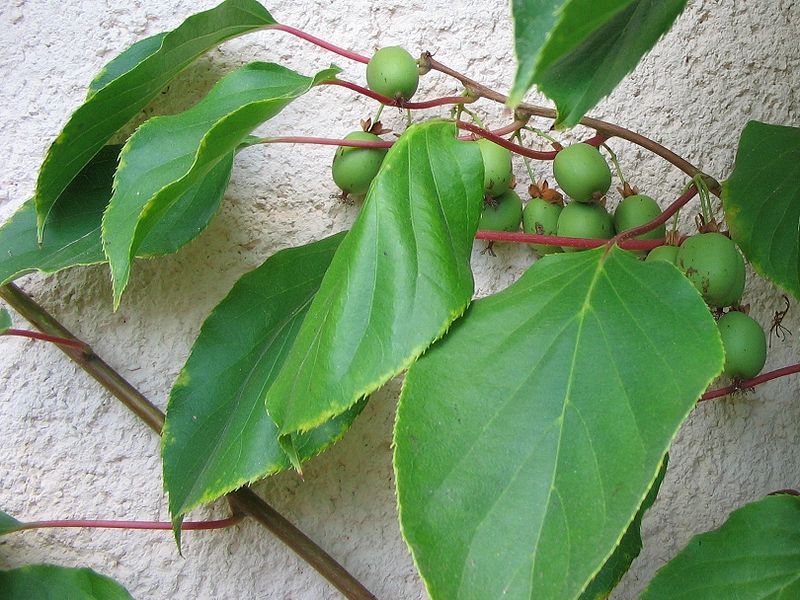
Germination Instructions
Growing Information
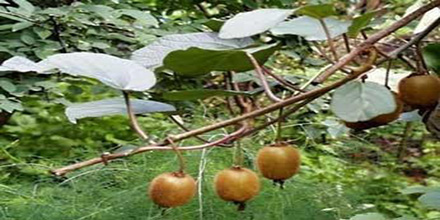
Germination Instructions
Growing Information
Nutritional Benefits

Germination Instructions
Growing Information
Seedman Growing Note
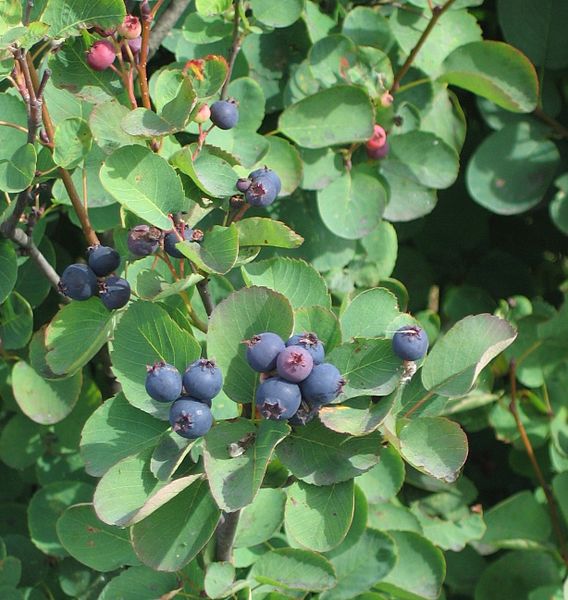
Germination Instructions
Growing Information
Seedman Growing Note

The name soursop is in reference to its large edible fruits which have a slightly acidic or sour taste. This tropical plant is not reliably winter hardy to most of southern Florida, but may be grown in the Florida keys and Puerto Rico.
In greenhouses, it typically flowers in summer producing fruits in fall. Each flower ( to 2" long) appears singly on a woody stalk almost anywhere on the tree ( twigs, branches or trunk ). Each flower has three yellowish-green outer petals and three dull yellow inner petals. Flowers give way to rough-skinned, prickly-textured, oblong fruit ( each fruit from 6-12" long to 4-6" wide with weight to 8-15 pounds ). Fruit pulp is used in ice cream, sherbets or juices. Leathery, egg-shaped, malodorous ( when bruised ), oblong to oval leaves (to 6" long) are glossy green above. Plants have been used for various medicinal purposes.
Easily grown container plant, or zone 11 outside. 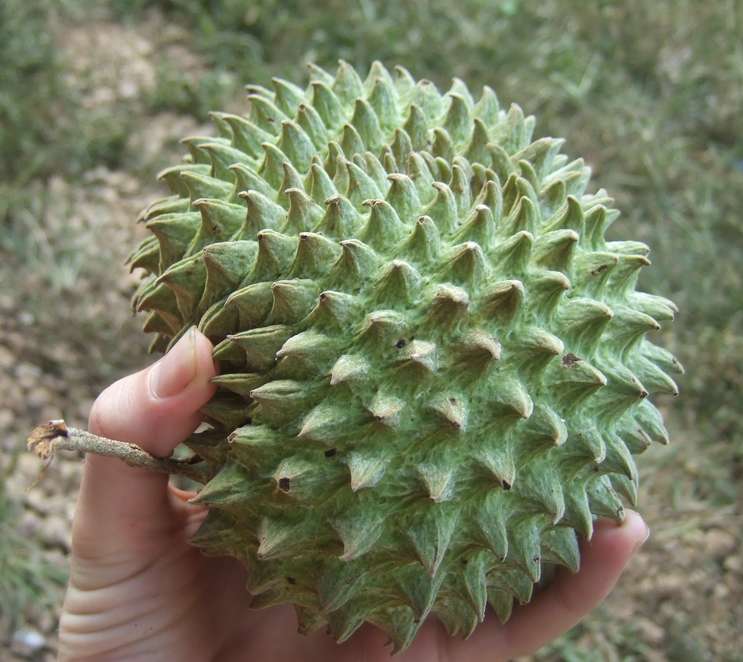
Germination Instructions
Growing Information
Nutritional Benefits

Germination Instructions
Growing Information
Nutritional Benefits

Germination Instructions
Growing Information
Nutritional Benefits
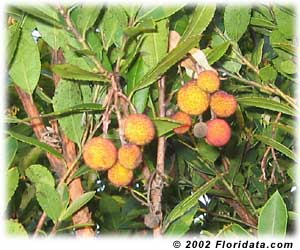
Garden Growing
Growing Information
Flowers and Fruit

Germination Instructions
Growing Information
Nutritional Benefits

Germination Instructions
Growing Information
Nutritional Benefits
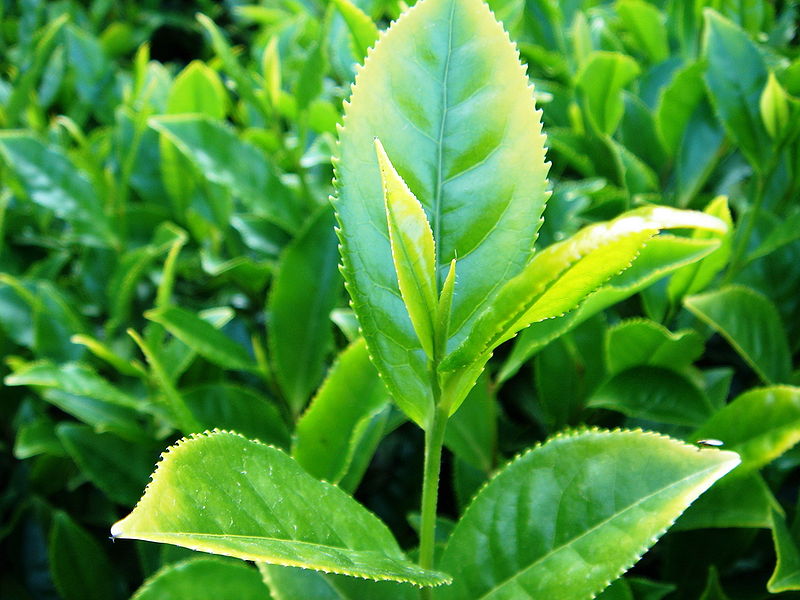
How Tea Is Made
Growing Information
Seedman Growing Note
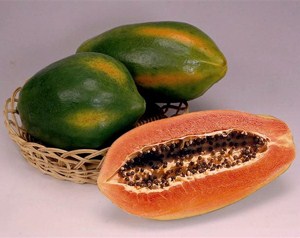
Germination Instructions
Growing Information
Nutritional Benefits
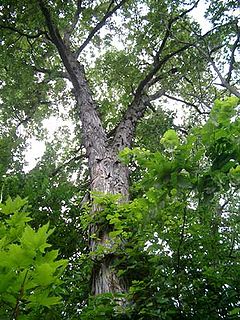
Germination Instructions
Growing Information
Nutritional Benefits
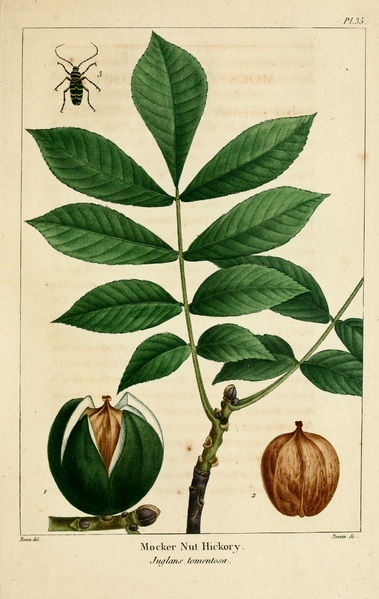
Germination Instructions
Growing Information
Seedman Growing Note
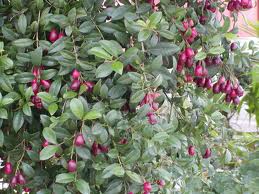
Germination Instructions
Growing Information
Nutritional Benefits
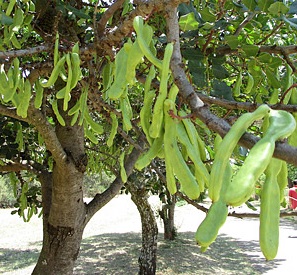
Germination Instructions
Growing Information
History and Interesting Facts
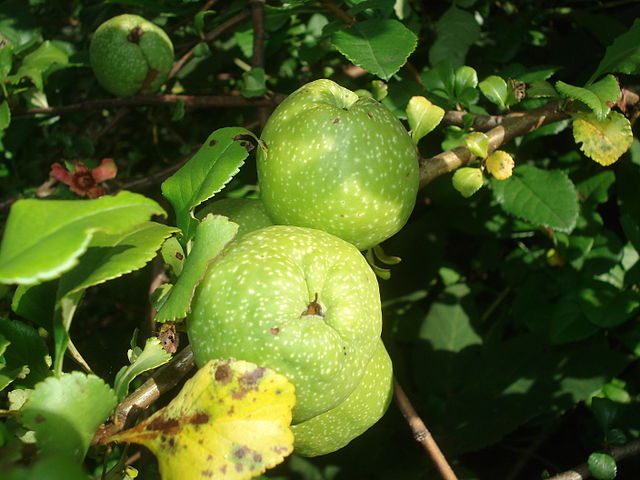
Germination Instructions
Growing Information
Seedman Growing Note
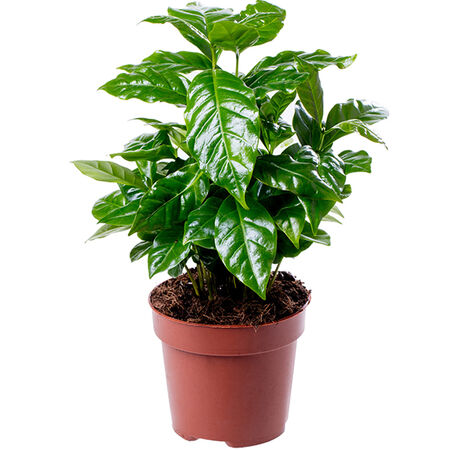
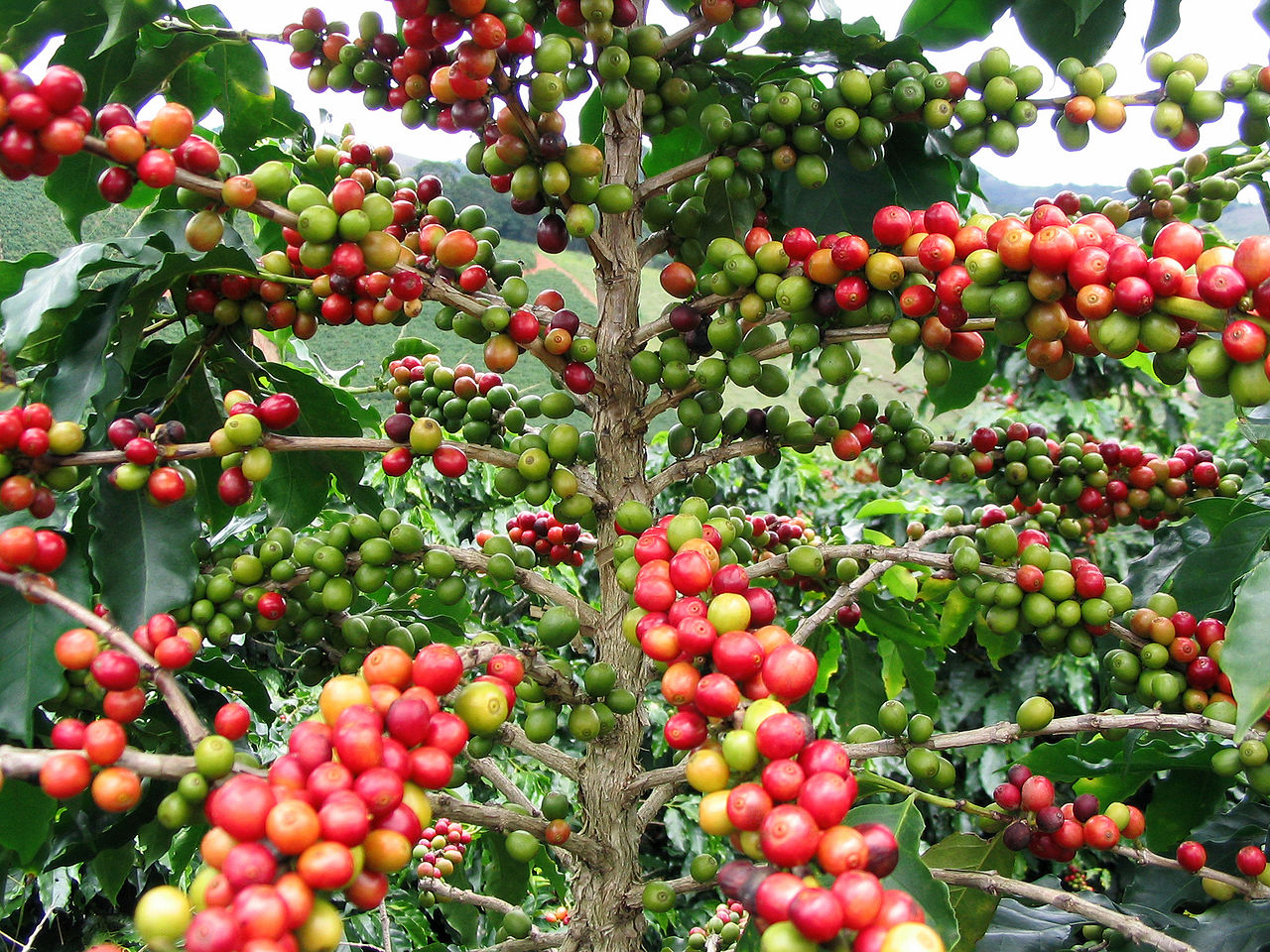
Considered to be among the easiest and hardiest of houseplants, coffee plant is great for both experienced and beginner gardeners. Not only is coffee plant care easy, but the plant itself is lovely and makes a wonderful addition to the home. Coffee plants prefer bright, but indirect, light. This means that they should be placed near a window but not directly in the window itself. They also cannot take temperatures below freezing and will not do well in temperatures that stay consistently below 65 degrees. Keep them away from drafts in the winter. When growing coffee plants, the soil needs to stay moist, but not soaking wet.
Also, make sure that both the soil and the pot your coffee plant is growing in has good drainage. The humidity around the plant will need to stay high as well. Setting your coffee plant on a water-filled pebble tray will help with humidity. Like many houseplants, a coffee plant will need less water in the winter than in the summer.
Plant coffee plants in a rich, peat-based potting soil with excellent drainage. Coffee plants prefer acidic soil, so if your plant is not thriving add organic matter such as sphagnum peat moss to increase soil pH. Coffee plants can grow in soil with a pH range of 4 to 7 but the ideal pH range is closer to 6 to 6.5.


Germination Instructions
Growing Information
Interesting History
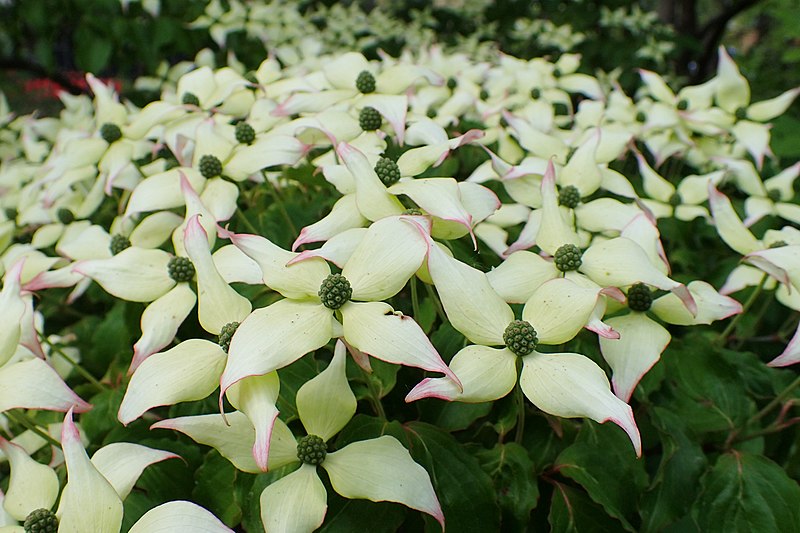
Germination Instructions
Growing Information
Interesting History
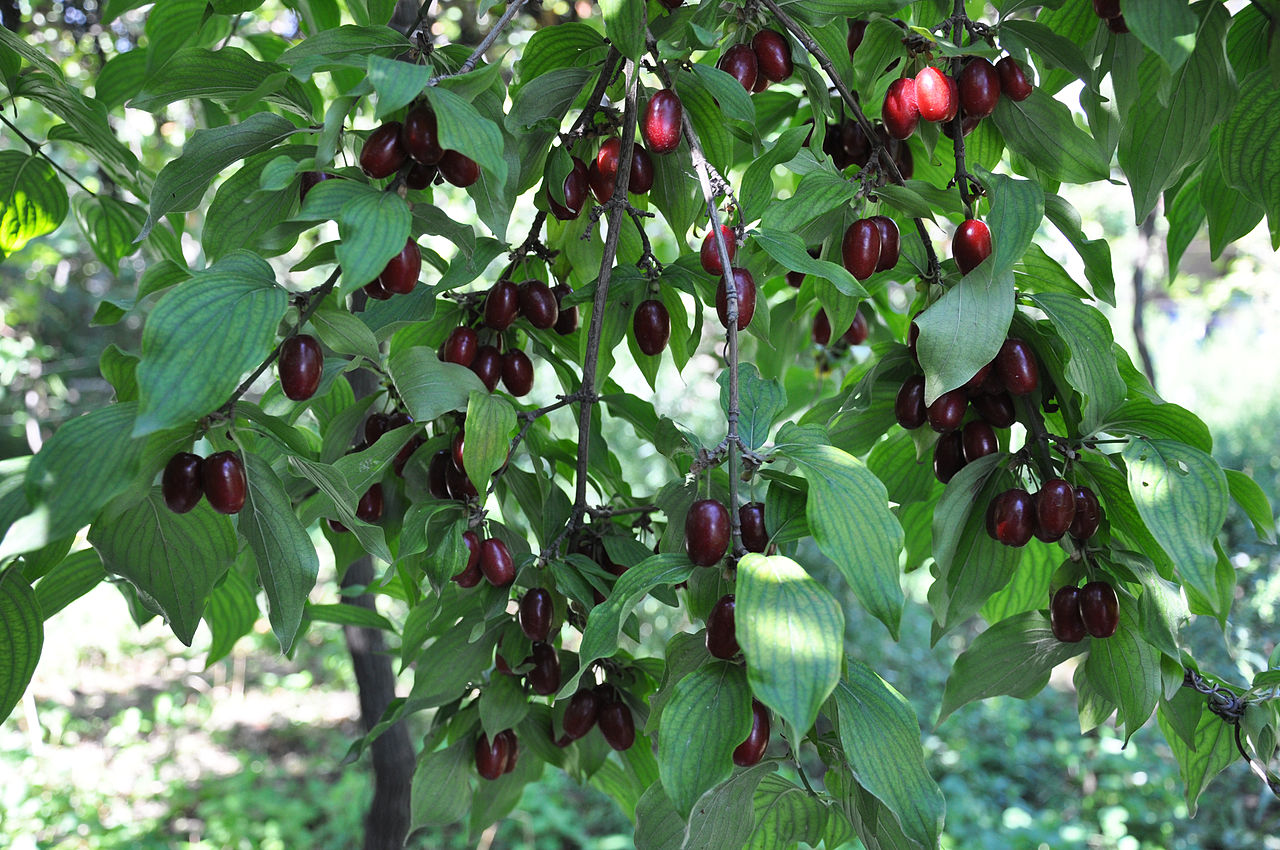
Germination Instructions
Growing Information
History and Interesting Facts
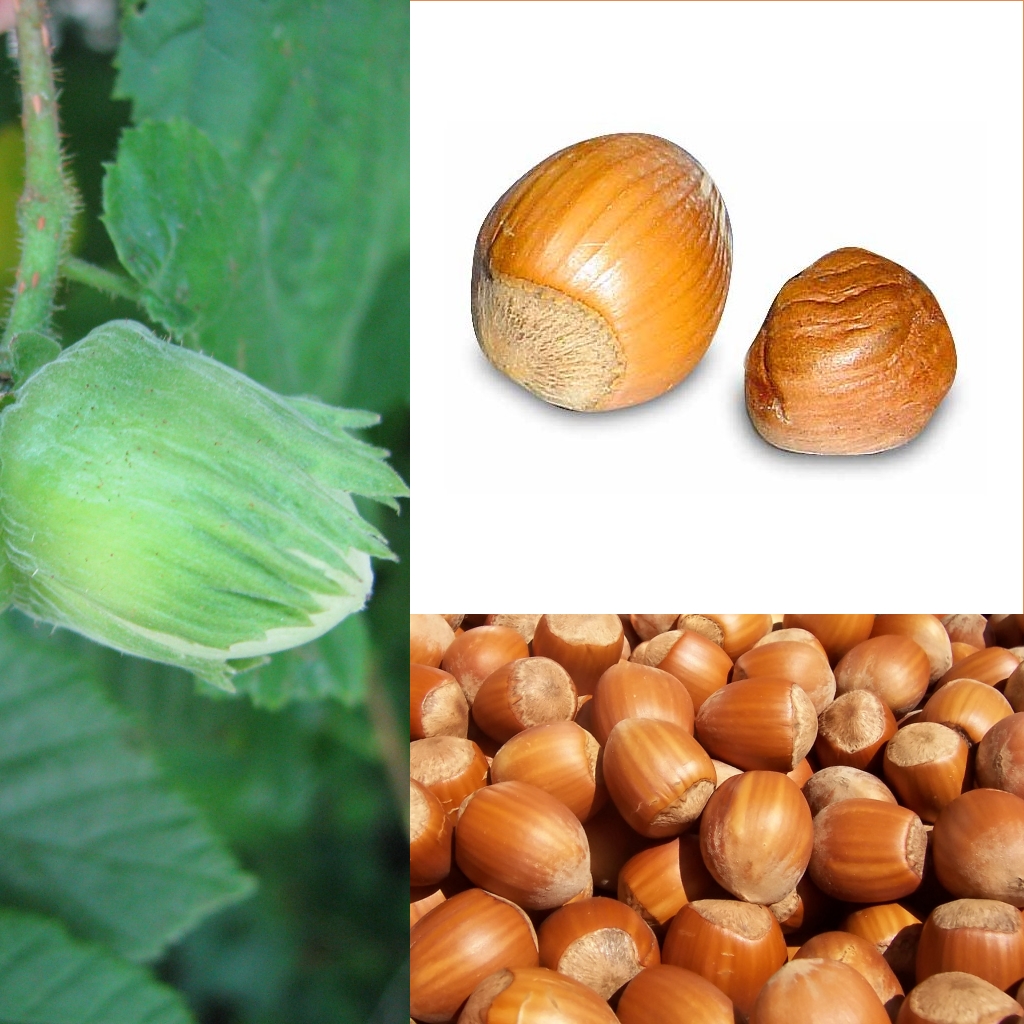
Germination Instructions
Growing Information
Nutritional Benefits
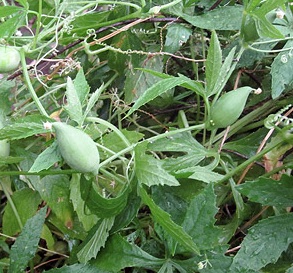
Germination Instructions
Growing Information
Nutritional Benefits
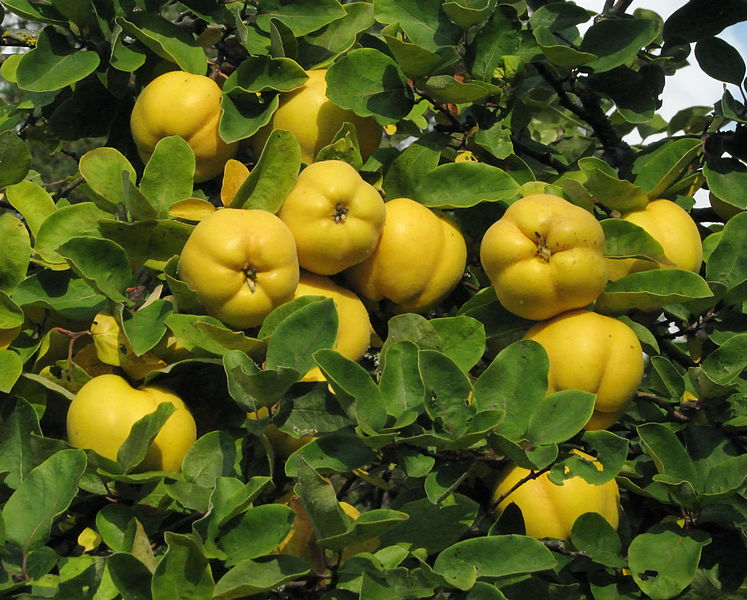
Germination Instructions
Growing Information
History and Interesting Facts
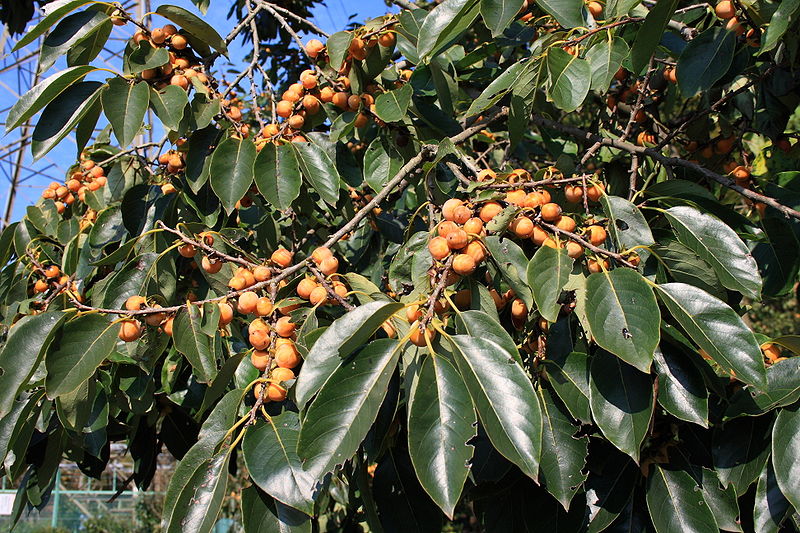
Germination Instructions
Growing Information
History and Interesting Facts
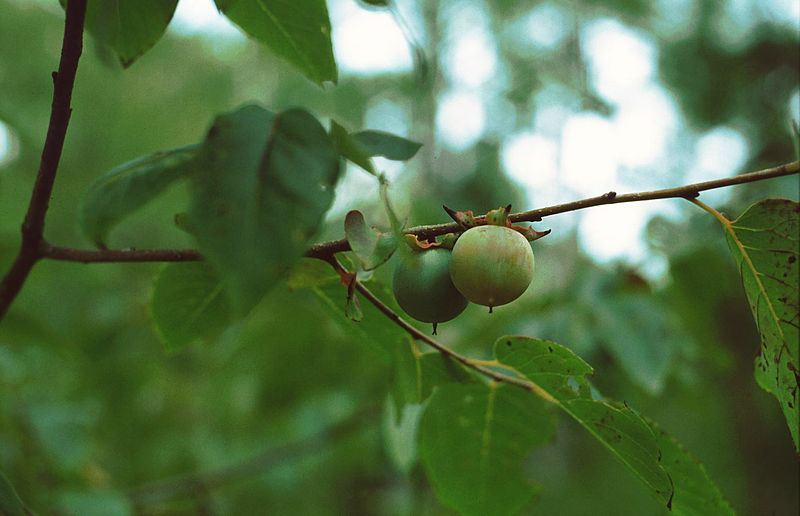
Germination Instructions
Growing Information
Nutritional Benefits
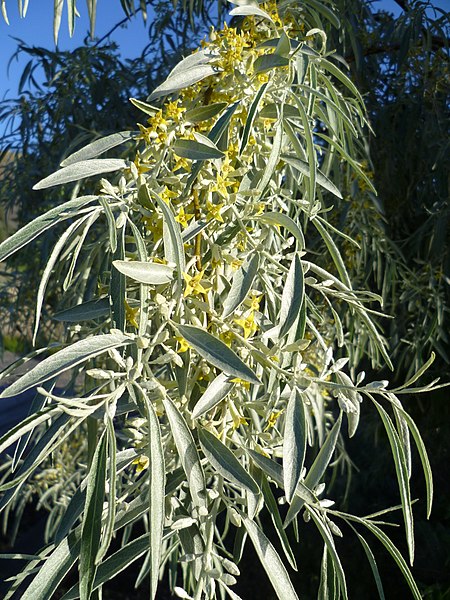
Germination Instructions
Growing Information
History and Interesting Facts
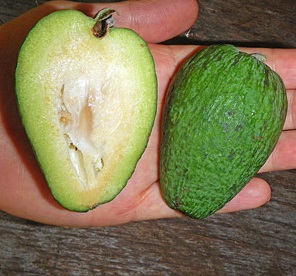
Germination Instructions
Growing Information
Container Growing
Germination Instructions
Growing Information
History and Interesting Facts
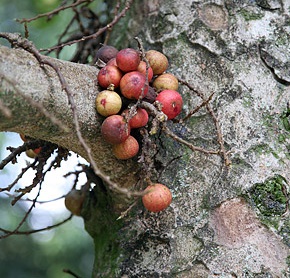
Germination Instructions
Growing Information
History and Interesting Facts
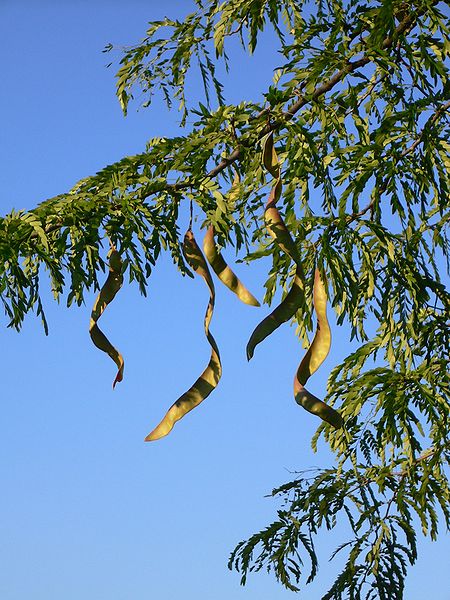
Germination Instructions
Growing Information
History and Interesting Facts
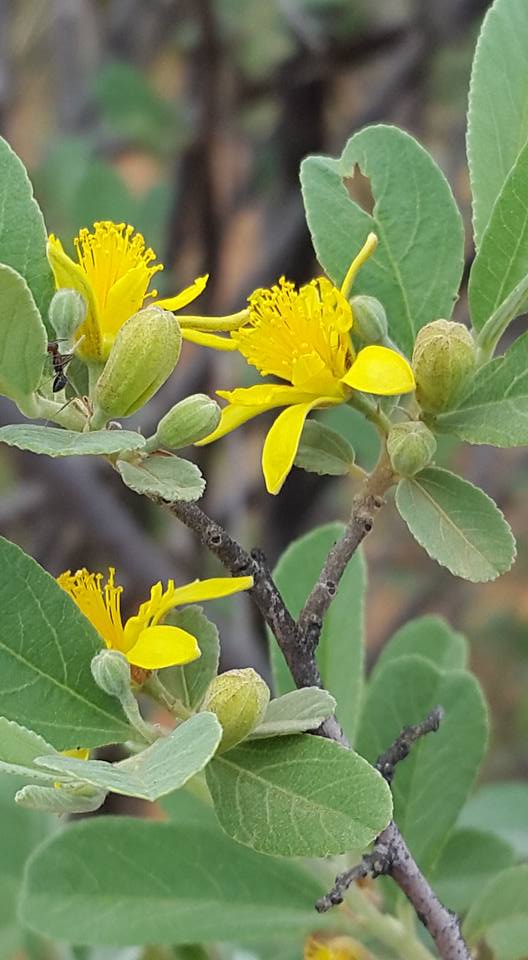
Germination Instructions
Growing Information
History and Interesting Facts
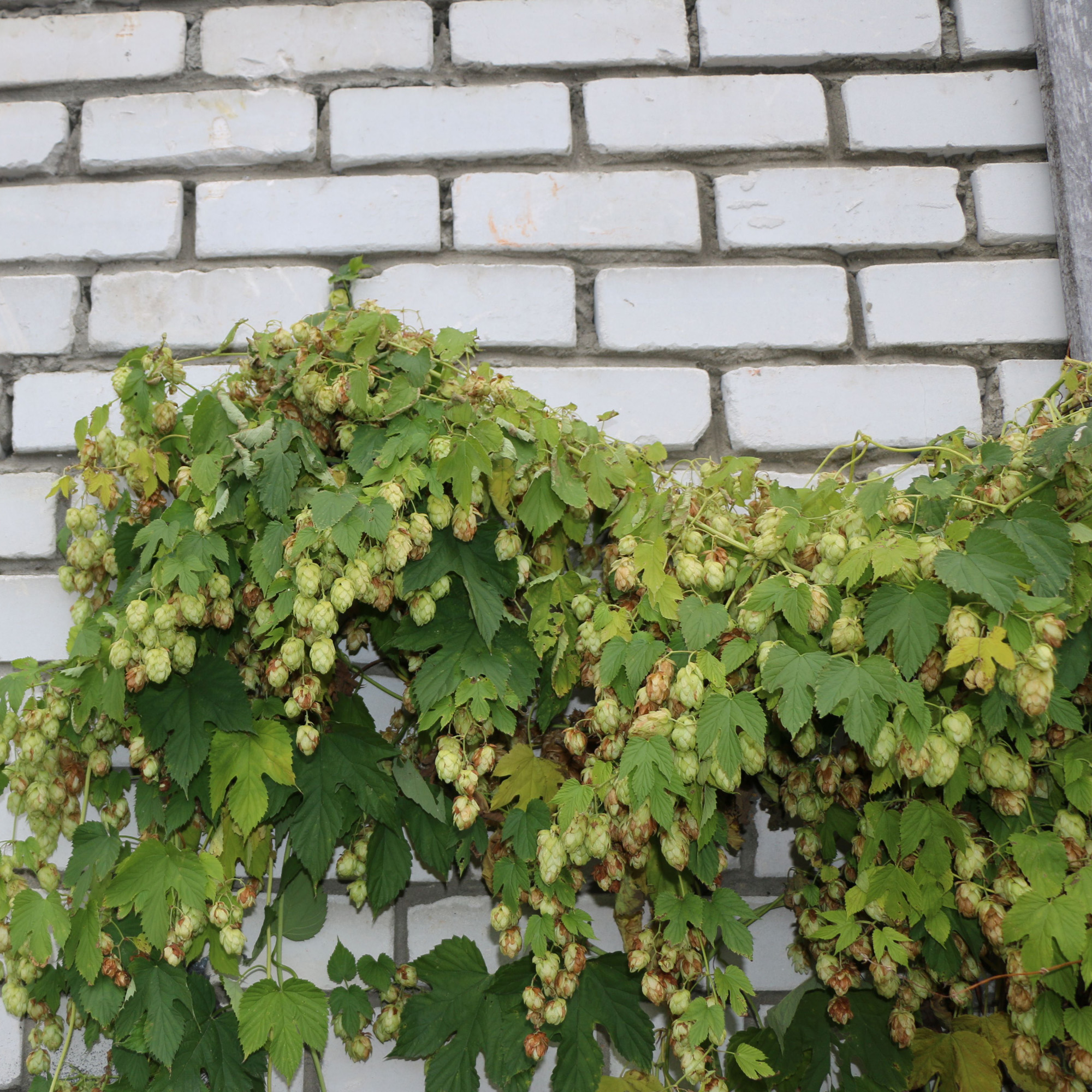
Germination Instructions
Growing Information
History and Interesting Facts

Germination Instructions
Growing Information
Nutritional Benefits
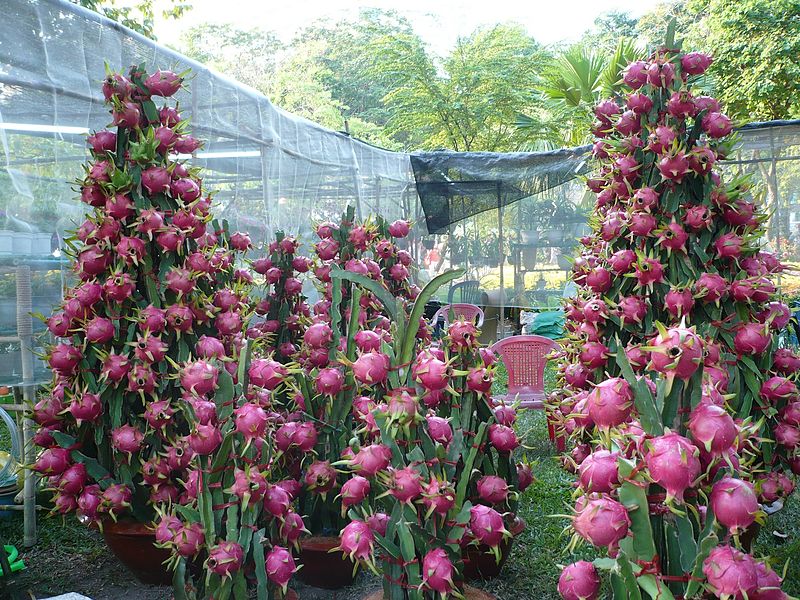
Fruit Description and Uses
Germination Instructions
Growing Information
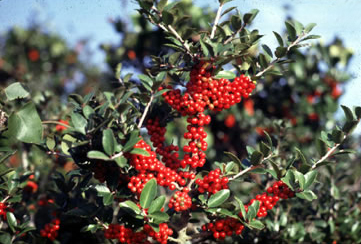
Fruit and Wildlife Value
Germination Instructions
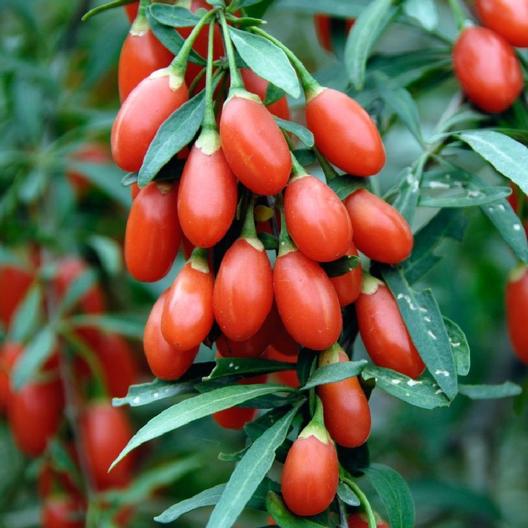
Fruit Description and Uses
Growing Information
Seedman Note
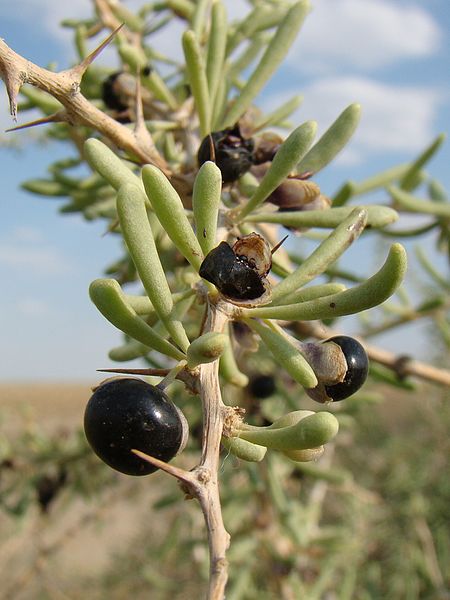
Fruit Description and Uses
Growing Information
Seedman Note

Macadamia Nut 'Beaumont' (Macadamia integrifolia × M. tetraphylla)
Nut Description and Uses
Seedman Note
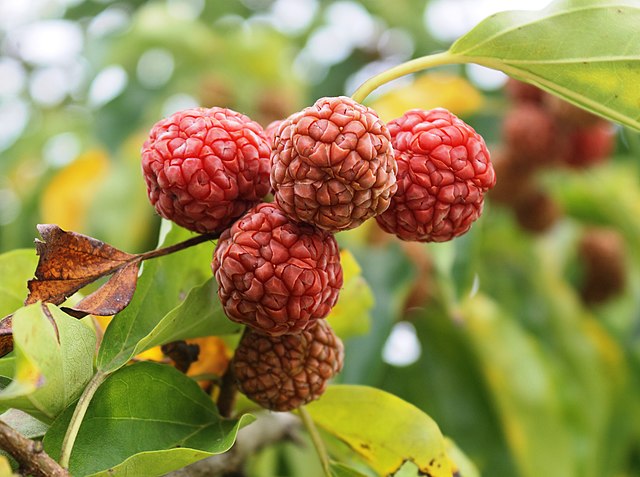
Fruit Description and Uses
Growing Information
Seedman Note
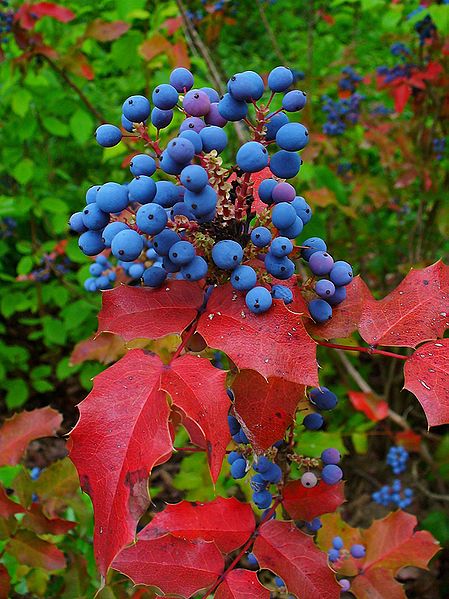
Important Note
Growing Information
Seedman Note
Oregon Grape Jelly Recipe.
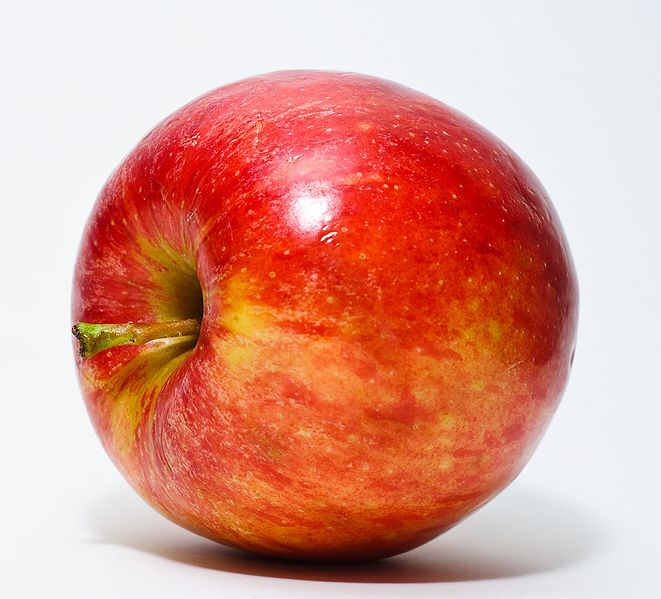
Fruit Description and Uses
Growing Information
Seedman Note

Fruit Description and Uses
Seedman Note
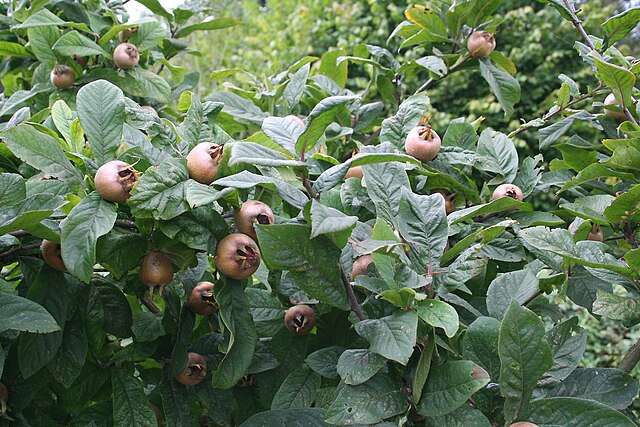
Fruit Description and Uses
Growing Information
Seedman Note
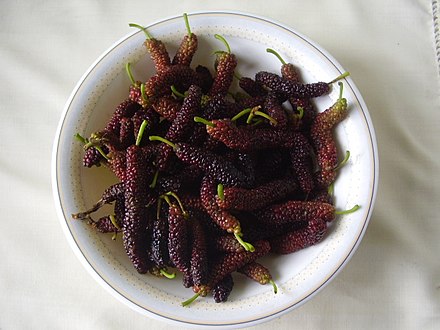
Fruit Description and Uses
Growing Information
Seedman Note

Fruit Description and Uses
Growing Information
Seedman Note
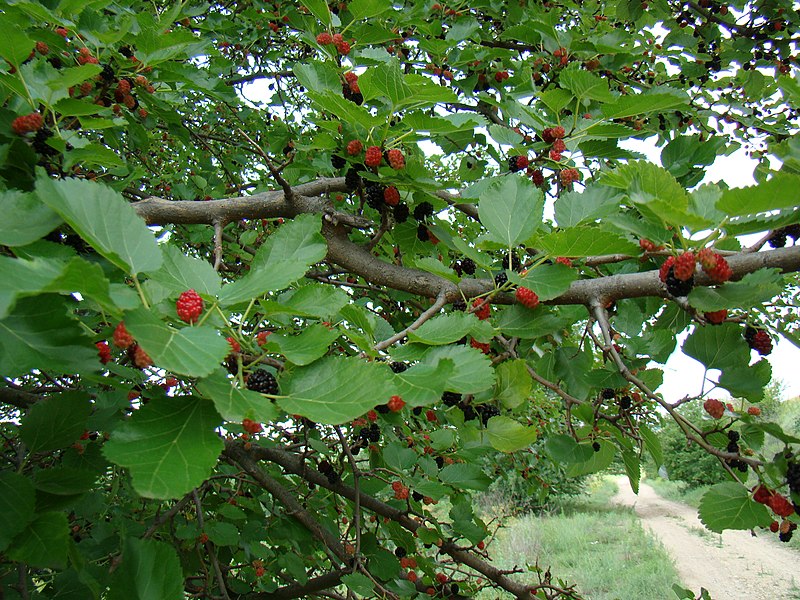
Fruit Description and Uses
Growing Information
Seedman Note
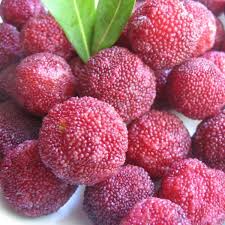
Fruit Description and Uses
Growing Information
Seedman Note
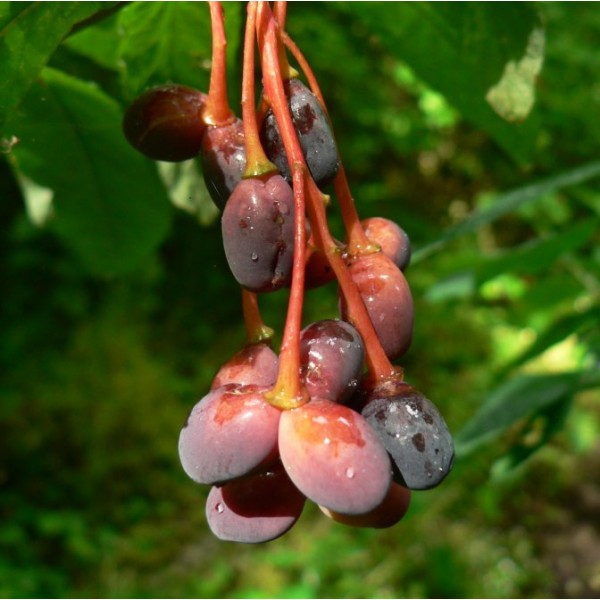
Fruit Description and Uses
Growing Information
Seedman Note
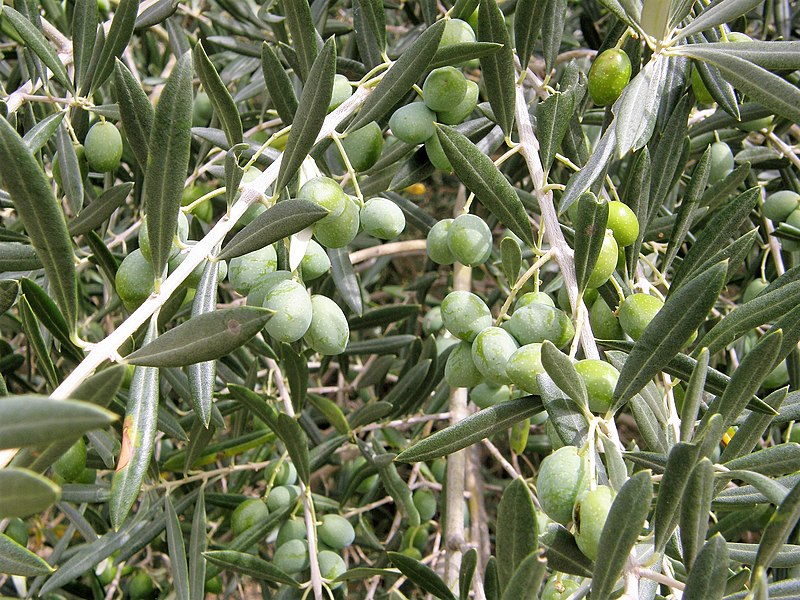
Fruit Description and Uses
Growing Information
Seedman Note
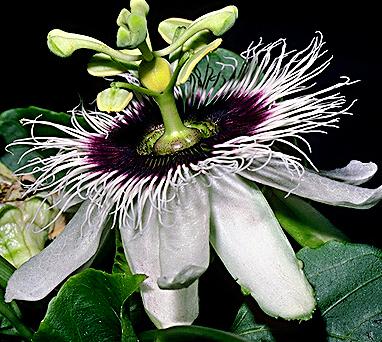
Fruit Description and Uses
Growing Information
Seedman Note
Fruit Description and Uses
Growing Information
Seedman Note
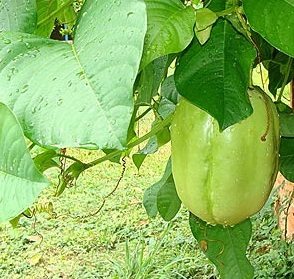
Fruit Description and Uses
Growing Information
Seedman Note
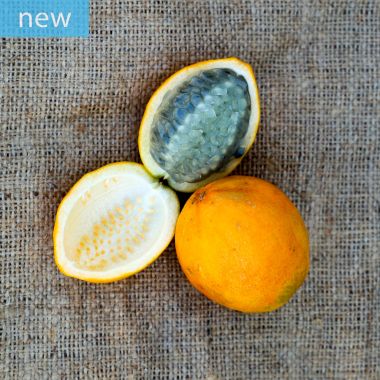
Fruit Description and Uses
Growing Information
Seedman Note
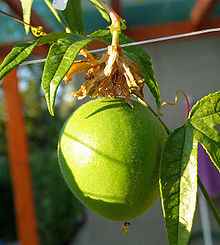
Fruit Description and Uses
Growing Information
Seedman Note
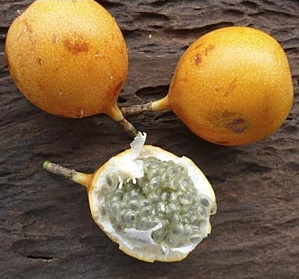
Fruit Description and Uses
Growing Information
Seedman Note
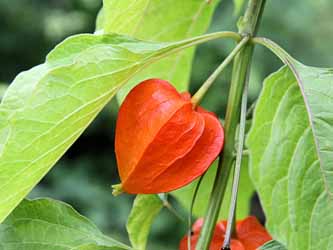
Fruit Description and Uses
Growing Information
Seedman Note

Nut Description and Uses
Growing Information
Seedman Note
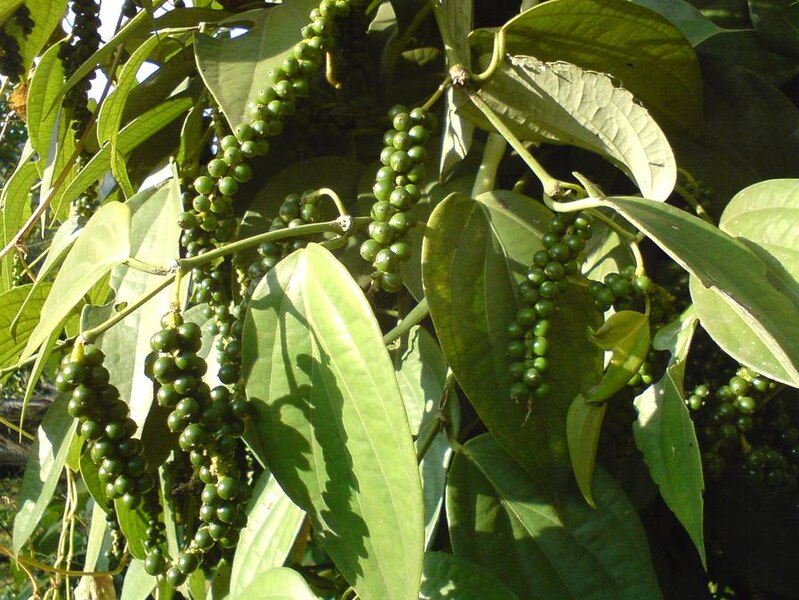
Peppercorn Production and Uses
Growing Information
Seedman Note

Germination Instructions
Growing Information
History and Interesting Facts
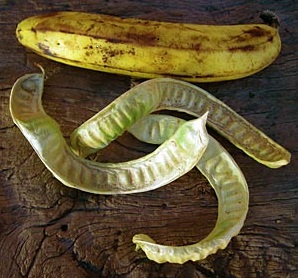
Pod Description and Uses
Growing Information
Seedman Note
Fruit Description and Uses
Growing Information
Seedman Note
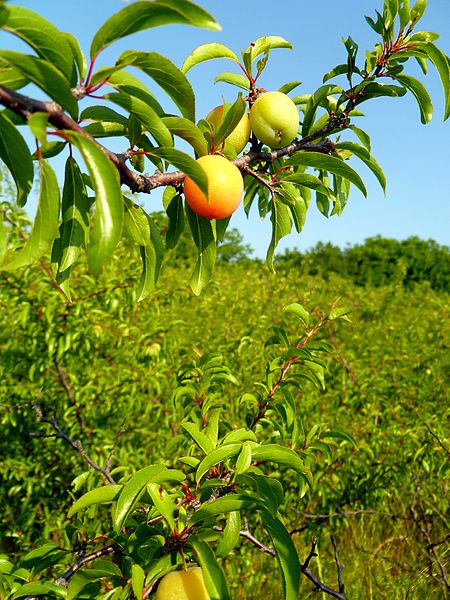
Fruit Description and Uses
Growing Information
Seedman Note

Fruit Description and Uses
Growing Information
Seedman Note

Fruit Description and Uses
Growing Information
Pollinator Value
Seedman Note

Fruit Description and Uses
Growing Information
Seedman Note

Fruit Description and Uses
Growing Information
Seedman Note
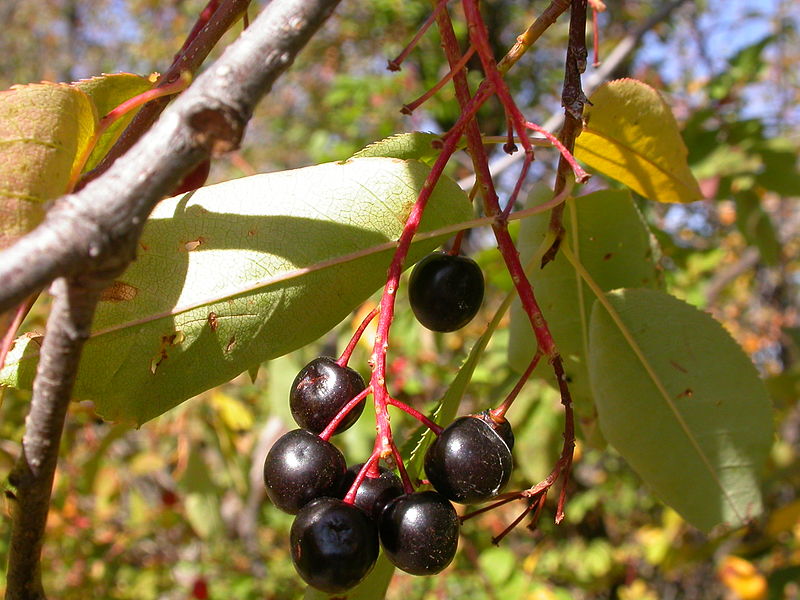
Fruit Description and Uses
Growing Information
Seedman Note
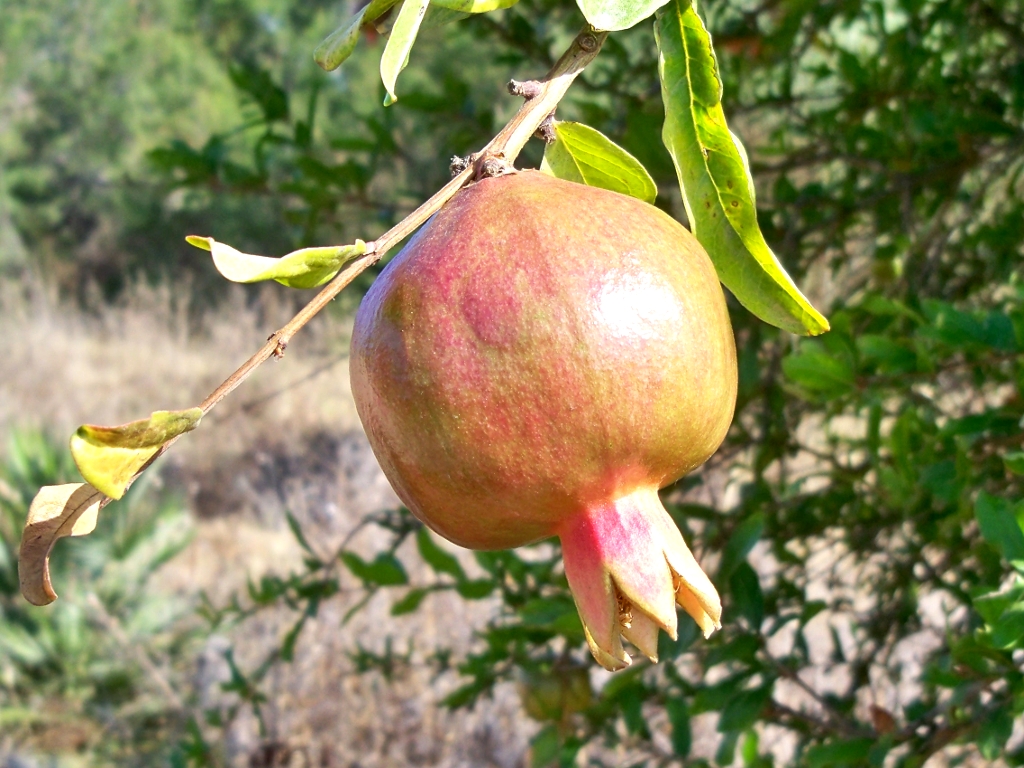
Fruit Description and Uses
Growing Information
Seedman Note
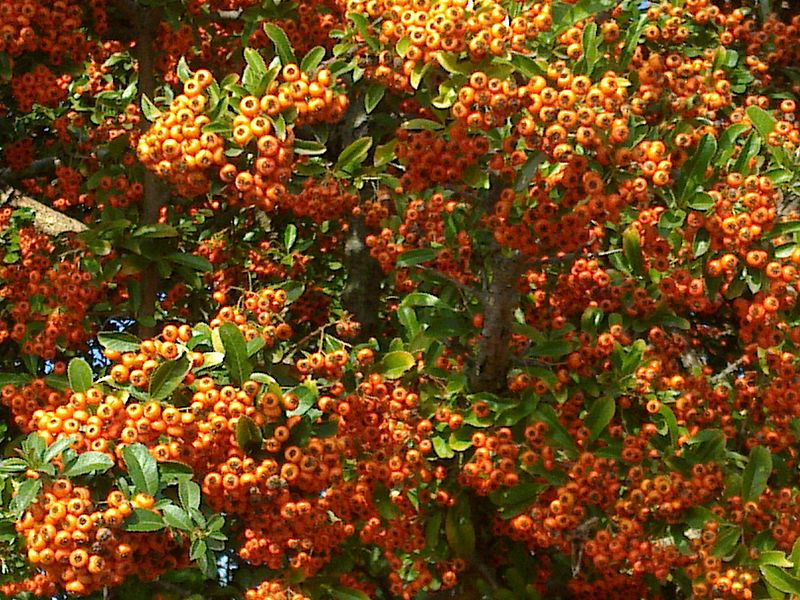
Birds love the fruit. They are greatly favored by Black Birds and Cedar Waxwings, which have been know to strip a tree of all its berries.
Here is a link to a great web page about Firethorn and includes a recipe for Pyracantha Jelly.
Light: Full sun preferred but will grow in partial to fairly heavy shade. Flowering and fruiting will not be as heavy.
Moisture: Moist to very dry, well drained soil. Hardiness: Zones 5 - 9.
Usage: Pyracantha is often used as an espalier. Held flat against a wall, it can be shaped quite creatively. Because of its fast growth rate, sprawling, spreading habit, and ease of care, it can be used on slopes to great advantage requiring little maintenance or care. The wide-reaching stems may be pruned back as needed during warm weather as the shrub blooms on old wood. Even consider using it as an informal hedge! This will require some trimming and shaping for the first few years but the effort will produce impressively beautiful and secure
(thorny) hedges.
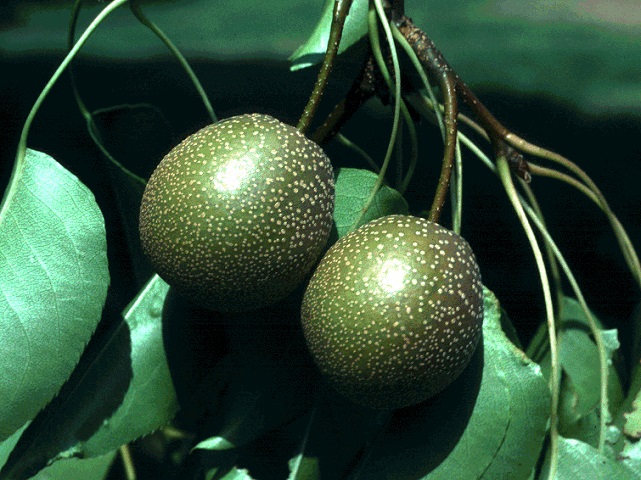
Fruit Description and Uses
Growing Information
Seedman Note

Fruit Description and Uses
Growing Information
Seedman Note
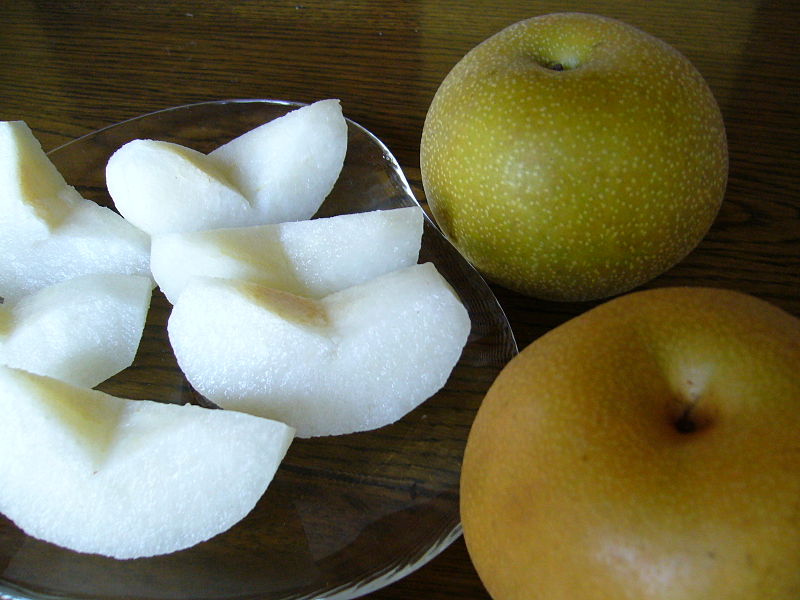
Fruit Description and Uses
Growing Information
Seedman Note
Note: These seeds will require cold stratification, you may need to purchase our Cold Stratification Kit 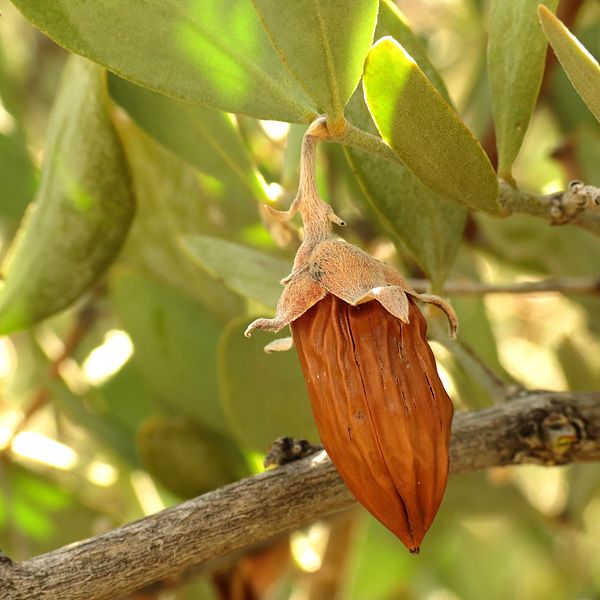
Seed Description and Uses
Growing Information
Seedman Note

Fruit Description and Uses
Growing Information
Seedman Note
Fruit Description and Uses
Growing Information
Seedman Note

Fruit Description and Uses
Growing Information
Seedman Note
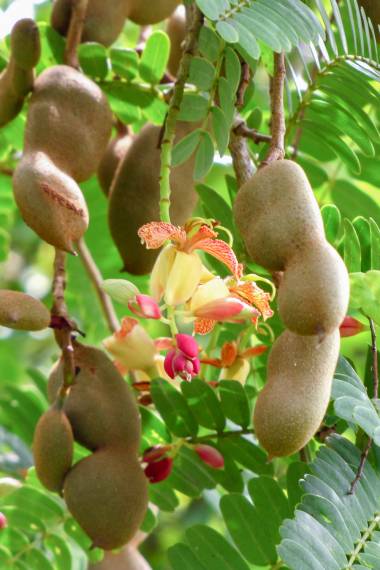
Fruit Description and Uses
Growing Information
Seedman Note
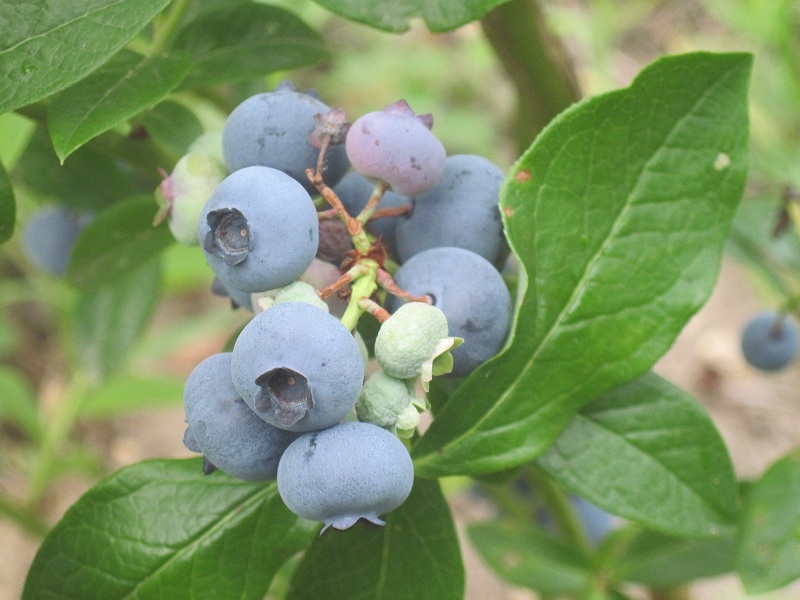
Fruit Description and Uses
Growing Information
Seedman Note
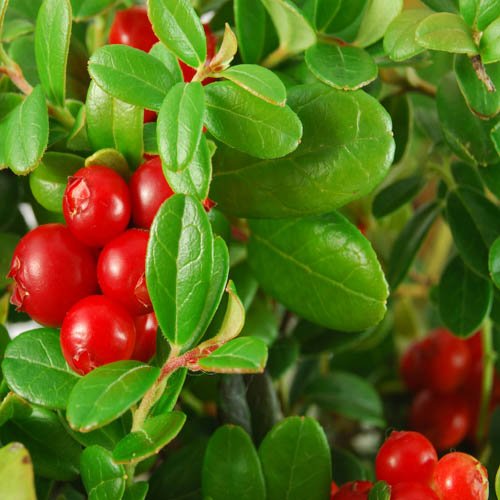
Fruit Description and Uses
Growing Information
Seedman Note
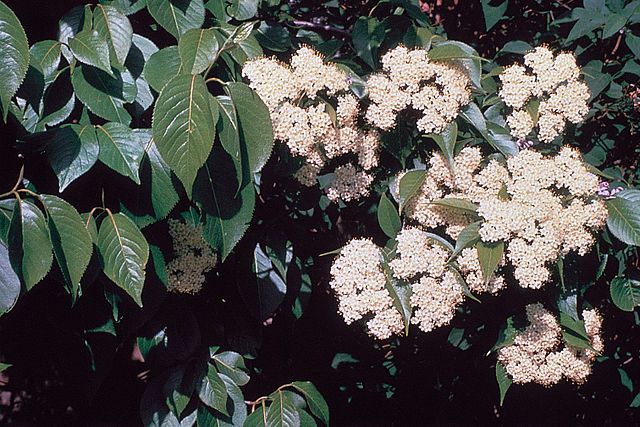
Fruit Description and Uses
Growing Information
Seedman Note
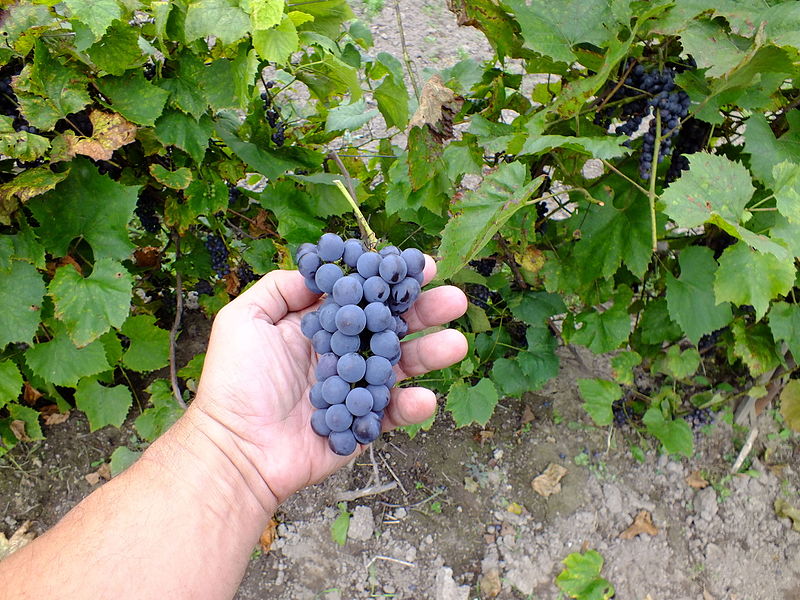
Fruit Description and Uses
Growing Information
Seedman Note

Fruit Description and Uses
Growing Information
Seedman Note
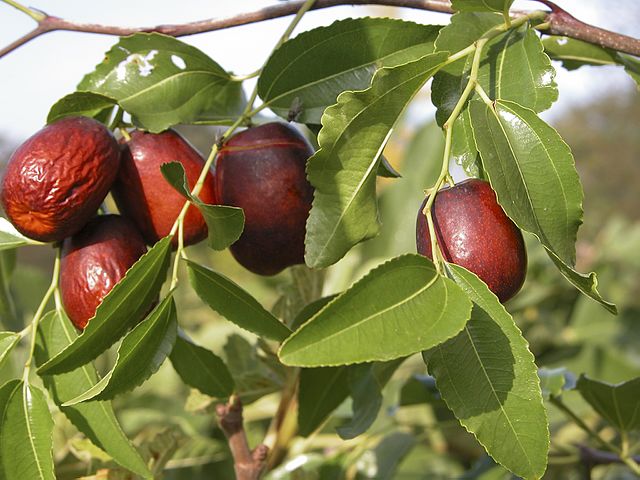
Fruit Description and Uses
Growing Information
Seedman Note

| Returns
Serving gardeners since 1992
State of Mississippi Seedmen's Permit #C-391, Ohio 90152, Minnesota 20086777


