
Bean Seeds
Useful gardening information
Dry Field Beans
Dry edible beans, or field beans, come in a wide variety of market classes, including kidney bean, navy bean, pinto bean, and black bean. These beans, although differing in the size and coloring of the seed, are all just different types of a single species, Phaseolus vulgaris L. Originally domesticated in Central and South America over 7000 years ago, dry beans moved their way northward through Mexico and spread across most of the continental U.S. These beans were commonly grown with corn, and sometimes squash. Now, instead of the Native American practice of dry beans and squash planted right among corn plants, a different bean, soybean from China, has found its place with corn.Dry beans are the same species as green beans (snap beans) commonly grown in gardens. If you've seen green beans growing, you have a good idea what dry beans look like, with the difference being that dry bean varieties have higher seed yields. Some dry bean varieties are viney like garden bean varieties, while others are more of an erect, bushy plant, like soybeans. Dry beans do not grow as vigorously as soybeans, usually reaching only about 18 to 24 inches in height. Pods, each containing 2 to 4 seeds, are borne upon the length of the stem. Dry beans average about 22% protein in the seed. The amino acid profile of dry beans complements that of corn and other cereal grains, which is why the corn-bean diet was so standard through the Americas. The various market classes of dry beans are sold in a variety of forms. Great Northerns, navy beans, or mixes of beans, are the most likely to be sold as whole seeds in unprocessed form. Navy beans and kidney beans are both found in canned form, with kidney beans also common in chill mixes. Pinto beans and black beans are both made into refried beans, among other uses. Red beans are used for baked beans. Dry beans which do not meet quality standards for food use are typically sold for livestock feed. Like soybeans, dry beans have a trypsin inhibitor which prevents protein digestion in non-ruminant animals, including humans. Heat, applied during processing or home cooking, is needed to break down the trypsin inhibitor and make the beans fully digestible.
How to Grow Bush Beans
No garden is complete without bush beans. There are many varieties of bush beans to choose from and every gardener is sure to find one to suit their tastes. Bush beans do well in almost any garden as they are not too fussy about soil.To ensure the best flavor, bush beans should be picked while still slender and no inner bean is well developed. For fresh bush beans all summer, plant every two weeks and pick frequently.
Direct seed bush beans after risk of frost when soil warms to 18-24°C (65-75°F). Sow bush beans 1" deep and 2" apart in rows 18" (bush beans) to 24" apart (shell beans). Reseed until mid summer for a constant supply all season long. If using untreated bush beans seed, plant thicker and thin to desired density.
Try companion planting with bush beans. Bush beans are excellent grown with most vegetables except the onion family, basil, fennel, kohlrabi.
Most bush bean types require a full sun location, soil pH of 6.5-7.5, and well drained soil. Good air circulation around bush bean plants is essential, especially for late shelling or dry type beans, as they are very susceptible to fungal diseases which prevail later in the season. Bush beans are light feeders; compost or well rotted manures worked into the soil at the time of planting is sufficient.
Harvest once the bush beans are smooth, firm and crisp. Keep bush beans constantly picked to ensure a fresh supply. Bean formation in the pod is a sure sign of over-maturity. Dry and Shell Beans: Harvest when the bush beans pods are completely dry and brittle. Cut or pull pods from bush bean plants and shell the beans. Store beans in an air tight container in a cool dry spot. For fresh eating of horticultural or shell beans, harvest when bean formation starts to take place within the pod.
How to Grow Pole Beans
Most of the gardening techniques that work with bush beans also work for pole beans. The two types require slightly different care at planting time to ensure their best growth. Pole beans offer great use of vertical space since they climb up poles, trellises or homemade tepees. They also have a longer growing season and are more tolerant of hot temperatures than bush beans, which mean they will yield two to three times more than bush beans from the same amount of space.Because pole beans quickly grow into large, heavy plants, you should install your trellis at the same time as you plant and sow the seeds.
To start the pole bean seeds, use your finger to push the seeds about 1 inch into the soil. I sowed five to six seeds around each pole 6 to 8 inches away from the base. This is more seed than you'll need for each pole but it allows you to come back after the seeds have germinated to thin out the weaker plants. Use your hands to cover the seeds with an inch of soil and lightly tamp the soil. Finally, lightly mist the dry soil with a garden hose.
As vegetable plants grow from seeds to seedlings, water requirements will change. Beans require little care except regular weeding and watering if the weather is dry. Bean plants need about an inch of water per week. The beans should be watered in the morning so the foliage is dry before dark.
Bush beans will mature in 50 to 60 days; pole beans in 60 to 90 days. Beans are light feeders and do not need extra fertilizing as long as you plant in an enriched soil. You should fertilize young bean plants with an organic fertilizer, such as fish emulsion, every two weeks for the first six weeks, then once every three to four weeks.
Growing Shell Beans
Grow shelling or dried beans as you grow bush beans, except harvest differently. Pick them at the green shell stage, or let them mature for dried beans. For a continuous supply, plant once a week for the first month of the season.
Bush Beans
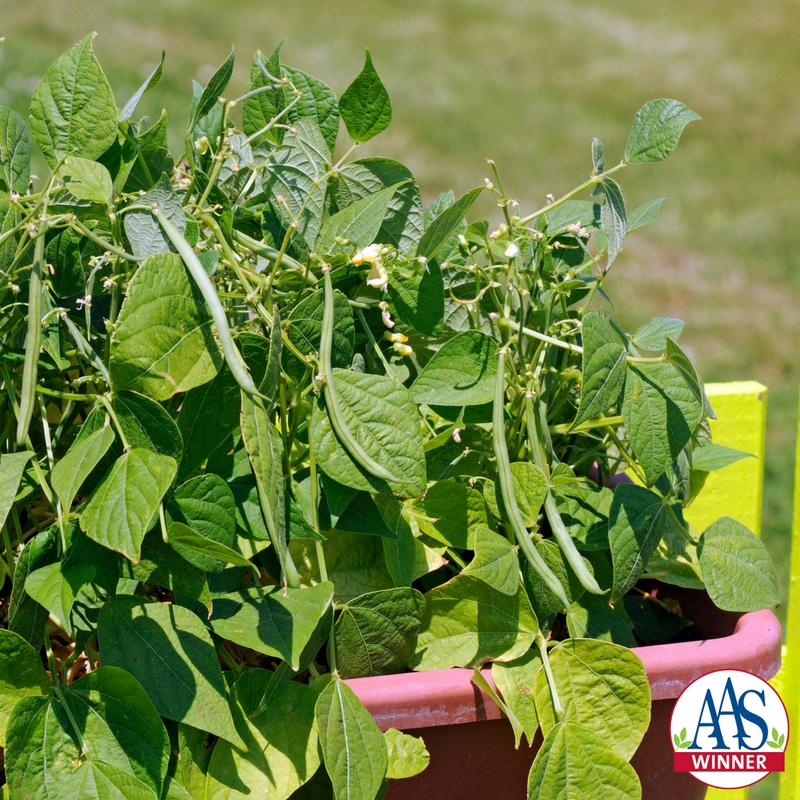
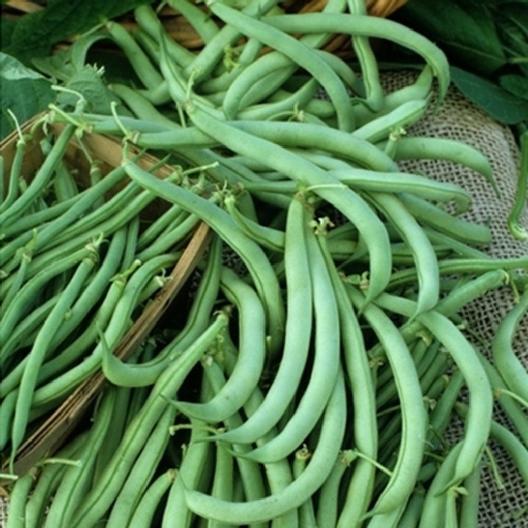
A good spacesaver bean as they produce so much per plant. 60 days to harvest.
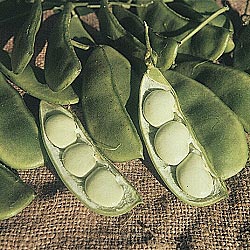
Click here for detailed gardening info on sowing and growing.
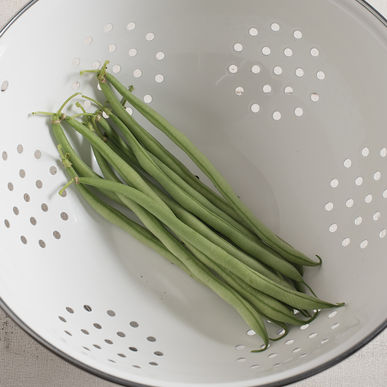

This isn’t just any bean; it’s an improved heirloom designed for the modern gardener who wants maximum results with minimum work.
Features:
Big Flavor, Small Footprint: You get that famous, rich "Kentucky Wonder" taste on compact, 12-to-24-inch plants. It’s perfect for tight garden rows, raised beds, or even patio containers.
The "Early Bird" Advantage: While other beans are still waking up, the 125 variety is ready to pick in as little as 45 to 50 days. It’s one of the fastest-maturing bush beans on the market.
Heavy Yields: Don’t let the size fool you. These plants are powerhouse producers, loaded with meaty, 6-to-8-inch pods that stay tender and stringless when harvested young.
Built to Last: Whether you’re eating them fresh from the vine, canning for winter, or freezing a summer surplus, these beans hold their texture and flavor better than almost any other variety.
Stop building trellises and start picking beans. The Kentucky Wonder Bush 125 gives you heirloom quality with bush-bean convenience.


Early and prolific yields. 12-18"H. 6"L pods are round, meaty, juicy and slightly curved with exceptional flavor. USES: Canning, Freezing, Fresh Markets, Home Gardens.

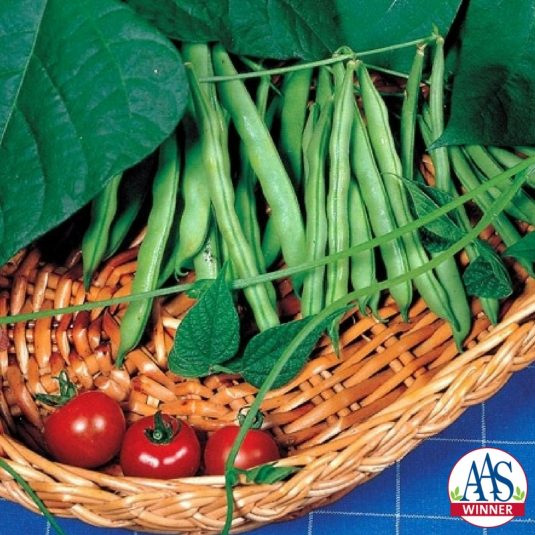
Featuring improved tenderness and incredible yields. Round, straight pods have a remarkably tender quality. Strong, open, 18" tall, bush plants permit easy harvesting of the medium-dark green, 7" long beans. Resistant to Common Bean Mosaic Virus.
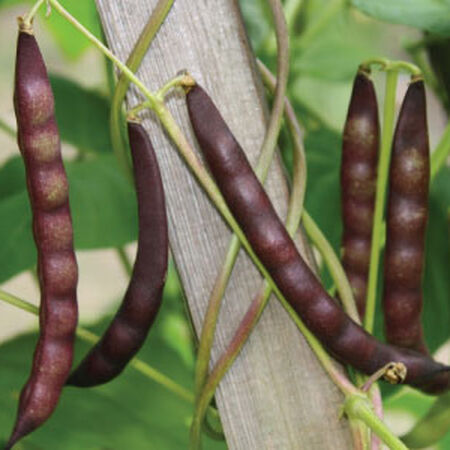
Dwarf, compact plants with semi-runners bear profuse yields of 7 to 8 small, shiny black beans per pod. Pods are tender and crisp enough to be used as snap beans if picked early. Dense, meaty texture when dry.
With their rich natural broth, turtle beans do not need bacon, ham or any meat ingredient to make a satisfying soup. 85 days.
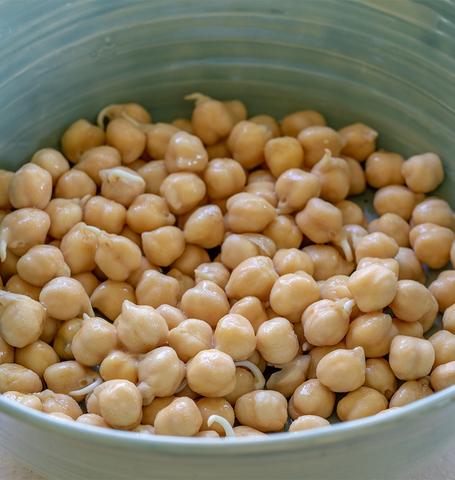
These are a staple in Middle Eastern and Indian cooking. They can be used as a shelling bean or a dry bean. They are an excellent choice for climates with problems with drought, but they won't do well in extreme northern climates.
Soaking and sprouting chickpeas makes them easier for most people to digest. It enhances their amino acids, vitamins, and protein content. They are wonderful smashed into "living" hummus, or just as highly nutritious snack food. Sprouted chickpeas are used just as the tip of the root (the "tail") emerges from the seed, indicating that it has germinated. The seeds increase noticeably in size. They have a definite crunch factor that works very well in salads and makes them a terrific and healthy snack. They can be mixed with dry spices and enjoyed on their own.
Garbanzo beans are a cool weather crop. Direct seed at or slightly after date of last frost in full sun. They do best when day temperatures stay between 70-80 degrees F and stay above 60 degrees F at night.
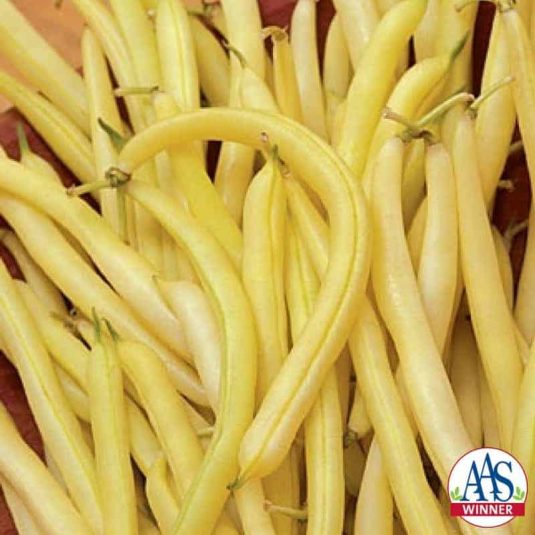
The Cherokee Wax bean, first available to the public in 1947, comes from the research department of Clemson University in South Carolina. This bush bean seed comes from a strain that yields very vigorously and resists disease, and was distinguished with the AAS Award in 1948. "Wax" is a term originally from New England that has come to refer to any bean that grows yellow in color.

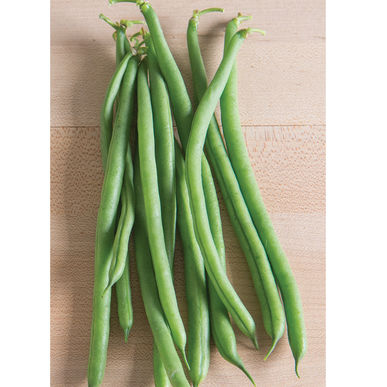
Intermediate resistance to curly top beet mosaic virus, rust and bacterial brown spot. Pale green seeds. 80 days.
Pole Beans

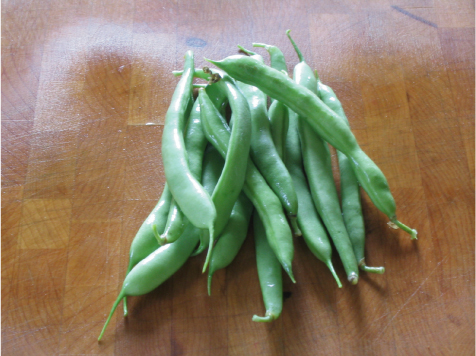
The varieties are:
Fortex. Dependable favorite with excellent flavor. Growing to over 11", Fortex produces extra-long round pods. Early and very productive, the beans may be picked at 7" in length for extra-slender "filet" beans. Green, firm-textured pods are completely stringless and delicious at all lengths, even after the seeds enlarge. Walnut brown seeds.
Each 10g pack contains about 25-30 seeds. 63 days.
Emerite. An extra refined filet type, Emerite yields stringless, 5 inch long, green beans with a tender texture and delicate, floral, sweet flavor. Vigorous, bushy, climbing plants put on a beautiful show of pink flowers followed by the beans. This crop produces early and heavily with an open habit to make harvest a snap! Black seeds. 55 days. About 35 seeds per pack.
Each 10g pack contains about 35 seeds.
Blue Lake FM1k. If you are tired of bending over to pick your bush beans, then the Blue Lake FM1K Pole Bean is for you! This reliable pole bean offers the high yield of a bush bean, but it easily climbs up poles, fences or trellises. Plus, it will yield much longer than a bush bean - right up to frost! Blue Lake FM1K Pole Beans' stringless pods grow to 6 inches and stay sweet and crisp even at maturity! Blue Lake FM1K Pole Beans are resistant to the bean common mosaic virus. 75 days. Each 10g package contains about 50 seeds.

It produces dark green, slender pods about 5–6 inches long that are crunchy and sweet. The seeds inside are slow to develop, allowing the pods to stay tender for longer.
As a pole bean, it requires vertical support like a trellis or pole and can reach heights of 7–9 feet. It is one of the earliest-maturing pole beans, typically ready for harvest in 55–65 days.
Disease Resistance: This variety is noted for its resistance to Bean Common Mosaic Virus (BCMV) and Anthracnose. Culinary Uses: Recommended for fresh eating, steaming, canning, and stir-fries.
This is a tender half runner bean with succulent white seeds. It boasts terrific yields of old-fashioned, rich flavored beans that taste and smell terrific.
Grows 3 to 4 feet tall, does not have to be trained as other pole beans, but doing so will make picking easier. Pick early for tender, slender pods. When only 4 to 4.5 inches long. Let some of beans mature to the drying stage as they have terrific depth of flavor and are excellent for baking, soups and any other use.

This variety is categorized by the color of its seeds, which impacts its growth cycle: This is the White-Seeded Variety, this version is remarkably early for a pole bean, often maturing faster than the black-seeded type. 50-55 days.

A vigorous, healthy, determinate-type pole bean that typically reaches a height of about 6 feet. Healthy plants are highly resistant to bean common mosaic virus and set well in both hot and cold conditions, offering a high yield potential.

Unlike bush pintos, pole varieties require sturdy trellises, fences, or towers to climb. They have a classic, rich, and slightly earthy "pinto" flavor that becomes very creamy when cooked.
They can be eaten young as green "snap" beans, or left to mature for shelling and drying. Due to their vertical growth, they produce more in less space than bush varieties and have a longer harvest duration.

To harvest: wait until the pods are straw-colored and completely dry on the vine—typically 85 to 100 days after planting. If frost threatens before they are dry, you can pull the entire plant and finish drying it indoors.
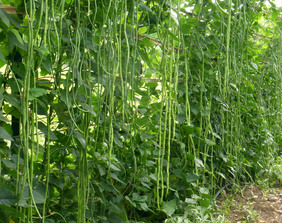
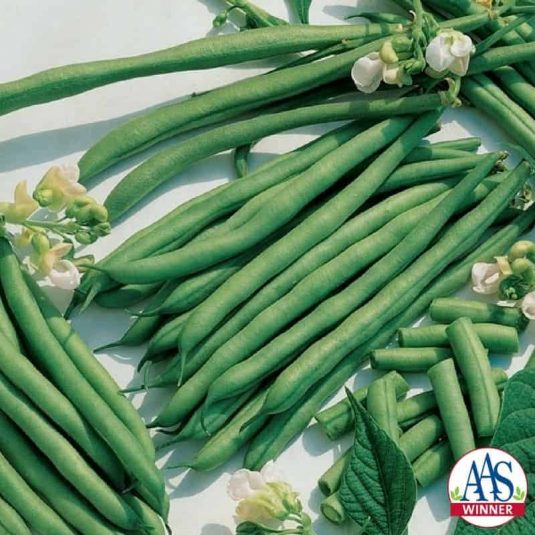

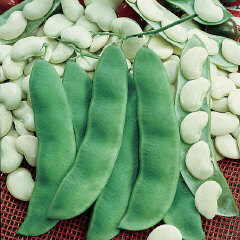
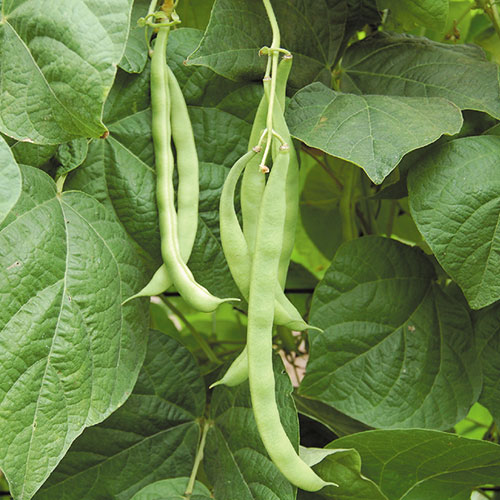
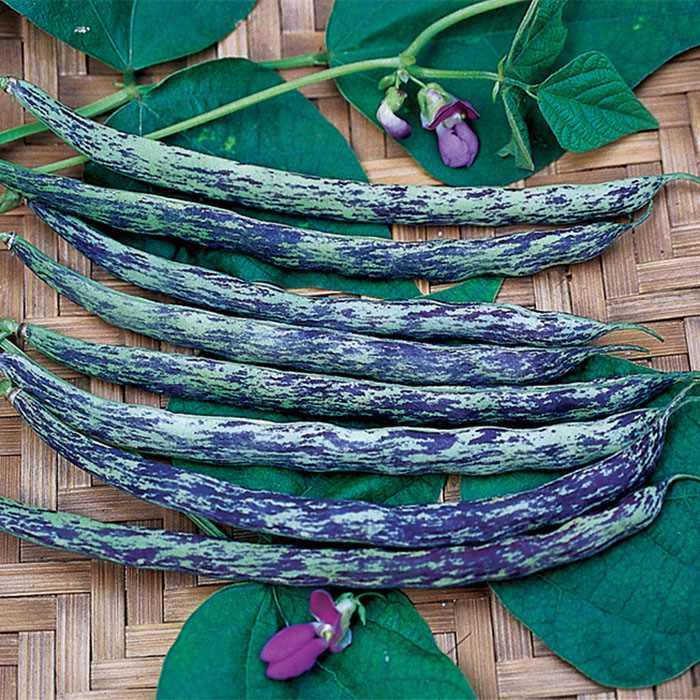
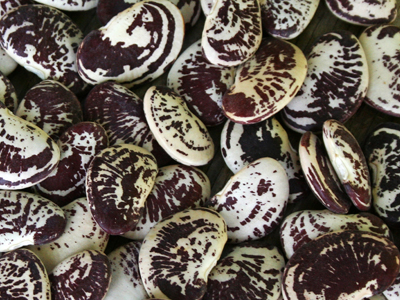
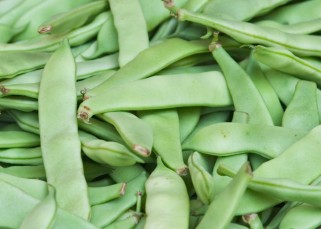
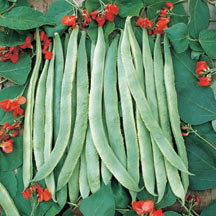
Prolific ornamental variety with light green, flat pods 12-16" long which are fine flavored when young and tender. Large shiny black and purple mottled seeds are tasty as a shell or dried bean. 80 days.

Contact Us | Privacy Policy | About Us
| Returns
Serving gardeners since 1992
State of Mississippi Seedmen's Permit #C-391, Ohio 90152, Minnesota 20086777